

Before your estate agent visits, focus on changes that make your home look cared for, spacious, and easy to maintain. You don’t need a major renovation: decluttering, cleaning, and fixing small defects can improve the impression your property makes. Gather details about energy upgrades and recent work, too. The best improvements depend on your home and local market, so start with the areas buyers are most likely to notice.
Start by Decluttering and Cleaning

Before investing in major upgrades, declutter and clean your home to make it feel more spacious and well cared for. An estate agent can assess rooms more easily when you clear surfaces, floors, and walkways. Pack away personal items, excess furniture, and anything you don’t use regularly. These Organizational tips help buyers picture their own belongings in the space and make rooms appear larger.
Use effective Cleaning techniques to refresh kitchens, bathrooms, windows, and floors. Dust overlooked areas, remove marks, and clean mirrors so natural light can travel through each room.
Pay attention to odors: air out the home and empty bins before your visit. Store cleaning supplies neatly, then step back and check each room from the doorway.
A tidy, fresh home signals careful upkeep and gives your agent a stronger first impression for valuation purposes.
Fix Small Problems Buyers Notice
Once your home is clean and uncluttered, tackle the small defects buyers may notice during a viewing. Walk through each room as if you’re seeing it for the first time. Tighten loose handles, replace blown bulbs, silence squeaky hinges, and repair dripping taps. These minor cosmetic fixes take little time but signal that you’ve maintained the property carefully.
Check that doors and windows open smoothly, and secure loose fittings before they become distractions.
Outside, clear gutters, tidy pathways, and make sure your house number is easy to see. Simple curb appeal enhancements help create a positive first impression before buyers step inside.
Don’t overlook cracked paving or a broken gate; fix hazards promptly. Prioritise visible, inexpensive repairs, and avoid starting major projects that won’t be finished before the agent’s visit.
Freshen Rooms With Paint and Small Updates
A fresh coat of paint can make rooms feel brighter and better cared for without the cost of a major renovation. Choose neutral color schemes that help buyers picture their own furniture in each space. Soft whites, warm greys, and muted beiges work well, but check how the shades look in natural and artificial light before you commit.
Prepare walls carefully: clean them, fill minor dents, sand rough patches, and use primer where needed. Apply paint evenly, and protect floors and fittings as you work.
An accent wall can add character, but keep it subtle and limited to a room where it suits the layout.
Finish with small updates, such as replacing dated cabinet handles, worn switch plates, or tired lampshades. These details make rooms feel polished without requiring expensive changes.
You’ll present a home that looks cared for and ready to view.
Tidy the Front Garden and Entrance
A neat front garden and welcoming entrance can shape buyers’ first impression before they step inside. Boost Curb appeal by mowing the lawn, trimming overgrown shrubs, and clearing weeds from paths and borders. Sweep paving, remove leaves, and tidy bins or garden tools out of sight.
If you have pots, arrange a few healthy plants near the doorway rather than crowding the entrance. Check that the gate opens smoothly and the path feels safe underfoot; repair loose paving or a sticking latch before the visit.
Keep Entrance decor simple and well maintained. Clean the front door, polish its hardware, and replace a worn doormat. Make sure the house number is easy to read, and clear away post or clutter.
These small, practical touches help your home look cared for and ready to view.
Open up Rooms With Light and Space
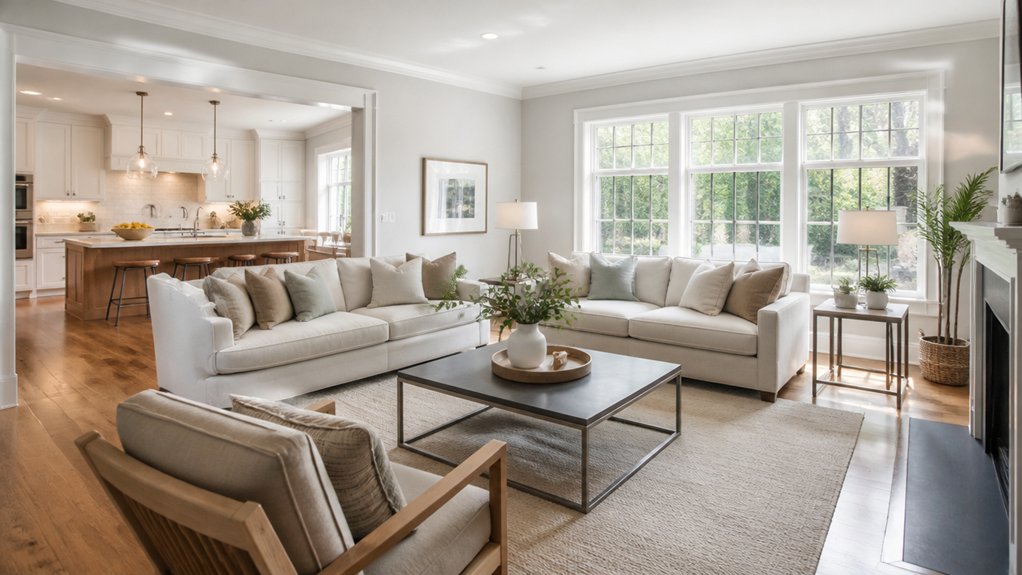
Bright, uncluttered rooms can feel larger and help buyers picture themselves living in your home. Before the estate agent visits, clear surfaces and remove bulky furniture that blocks walkways or windows. You don’t need to empty each room; keep a few useful pieces to show how the space works.
Make the most of natural light by washing windows, opening curtains and raising blinds. Replace dim bulbs with suitable, warm-white options, and switch on lamps in darker corners. A mirror opposite a window can reflect daylight and make a room feel more spacious.
You don’t need to create open floorplans by removing walls. Instead, improve the flow between rooms: keep doorways clear, arrange furniture to guide movement, and use consistent, light colours to create visual continuity.
These simple changes help the agent assess your home’s space and appeal accurately.
Show the Agent Your Energy-Saving Upgrades

Show your agent insulation improvements that help reduce heat loss and lower utility bills. Highlight an efficient heating system and explain how it cuts energy use without sacrificing comfort.
If you’ve installed solar panels, share their energy savings and any impact on your electricity costs.
Insulation Improvements
Insulation upgrades can make your home more comfortable and energy-efficient—benefits buyers may value. Before your estate agent visits, check your attic insulation for gaps, dampness, or settling. Improving coverage can reduce heat loss, but don’t block ventilation or cover recessed lights unless they’re rated for insulation contact. If you’re unsure, ask a qualified installer to assess the space.
Wall insulation can also improve comfort, especially in older homes. Review available options with a professional, since construction type and moisture conditions affect what’s suitable.
Keep invoices, product details, warranties, and any installation records together. Share this evidence with your agent so they can describe the work accurately and answer buyers’ questions.
Avoid claiming specific savings without reliable figures; instead, explain what you upgraded and when. Clear documentation helps buyers understand the improvement and assess its value.
Efficient Heating Systems
After improving insulation, review your heating system for upgrades that may appeal to buyers. A well-maintained, efficient boiler or heat pump can help reduce running costs and reassure viewers about comfort. Arrange a professional service before your estate agent visit, and keep the invoice and maintenance records ready to show.
If you’ve installed Smart thermostats, demonstrate how they let you schedule temperatures and avoid heating an empty home. Zoned heating can offer further control by warming occupied rooms without wasting energy elsewhere.
Check that controls work properly and explain their benefits in straightforward terms. Don’t promise specific savings; bills depend on the property and how occupants use the system.
Your agent can highlight documented improvements in the listing, helping buyers understand the practical value of your heating upgrades.
Solar Panel Benefits
Solar panels can make your home more appealing by generating electricity and potentially lowering grid use. For buyers, lower energy bills and reduced reliance on utility providers can make your property stand out. Explain how your system works, what it typically generates, and whether you receive payments for exported electricity.
Before your estate agent visit, gather installation records, warranties, maintenance details, and recent energy bills. These documents help you demonstrate the system’s condition and its practical value.
Be clear about ownership: leased panels or finance agreements may affect a sale, so prepare the relevant terms.
Highlight renewable energy benefits without promising a specific increase in sale price. Your solar panel installation may appeal to buyers seeking lower running costs and a more energy-conscious home.
Ask your agent how best to present these upgrades in the listing and viewings.
Gather Your Home’s Documents and Details
Gather your property records and certificates, including permits, warranties, and inspection reports.
Give your agent clear details about renovations and utility costs so they can answer buyers’ questions.
Organized documents help you support your home’s value and keep the sale moving.
Property Records and Certificates
Before listing your home, collect key property records and certificates, including permits, warranties, inspection reports, and maintenance receipts. Organise them in one folder so your estate agent can verify details and answer buyers’ questions promptly.
Check that names, dates, addresses, and property descriptions match across every document; certificate accuracy helps prevent delays and builds confidence. Include planning permissions, building-control approvals, guarantees, and any certificates required for work already completed.
If you can’t find a document, contact the issuing authority, contractor, or previous owner to request a copy. Don’t assume buyers will accept verbal explanations in place of evidence.
Make a brief index showing what each record covers and where it applies. Keep originals secure, and share clear copies with your agent.
Well-prepared property records make your home’s history easier to assess and support a smoother sale.
Renovation and Utility Details
As you prepare to sell, document renovations and utility details so buyers can understand the home’s condition and running costs. Create a clear record of completed work, including dates, contractor details, invoices, warranties, and relevant permits.
Note plumbing upgrades, electrical repairs, roof work, insulation, and heating-system replacements, even if the projects happened years ago. Keep receipts and inspection reports together so your estate agent can answer questions accurately and support your asking price.
Gather recent utility bills to show typical energy and water costs. Include supplier names, tariff details, and any smart-meter or renewable-energy information that could help buyers assess efficiency. Record appliance ages and service dates, too.
Be precise about what’s included in the sale, and disclose unfinished work or known issues. Organized evidence builds confidence and helps prevent delays during negotiations.
Ask Which Improvements Are Worth Doing
Which improvements will actually help your home sell for more? Ask your estate agent before spending money. They know what buyers in your area expect and can distinguish genuine priorities from costly projects that won’t influence offers. Request specific advice on your home’s condition, likely buyer profile, and competing listings.
Focus first on repairs that could undermine confidence, such as leaks, damaged flooring, or faulty fixtures. Then consider cost-effective upgrades, including fresh paint, improved lighting, and tidy landscaping. These changes can make rooms feel cared for without stretching your budget.
Choose market-driven improvements, not personal preferences. Ask whether buyers value a modern kitchen or bathroom locally, and whether the likely price uplift justifies the expense. Agree on a realistic budget and timeline, and avoid starting work you can’t finish before viewings.
Get estimates before committing, and prioritize changes that improve presentation, function, or buyer confidence.
Conclusion
Before your estate agent visits, focus on changes that make your home feel clean, cared for, and easy to imagine living in. Declutter, tackle visible repairs, brighten rooms, and tidy the entrance; these practical steps can help your property put its best foot forward. Gather details about energy upgrades and ask the agent which improvements matter most locally. You don’t need a costly renovation: a little preparation can help your home shine and give buyers confidence in its value.