


When an estate agent values your property, recent sales act as the compass—but they don’t tell the whole story. Your home’s condition, features, location, layout and kerb appeal all shape the estimate, as do local demand and the quality of comparable properties. Preparing well can help the agent assess its strengths accurately. Yet one overlooked detail can shift the figure more than you’d expect.
How Recent Sales Shape a Property Valuation
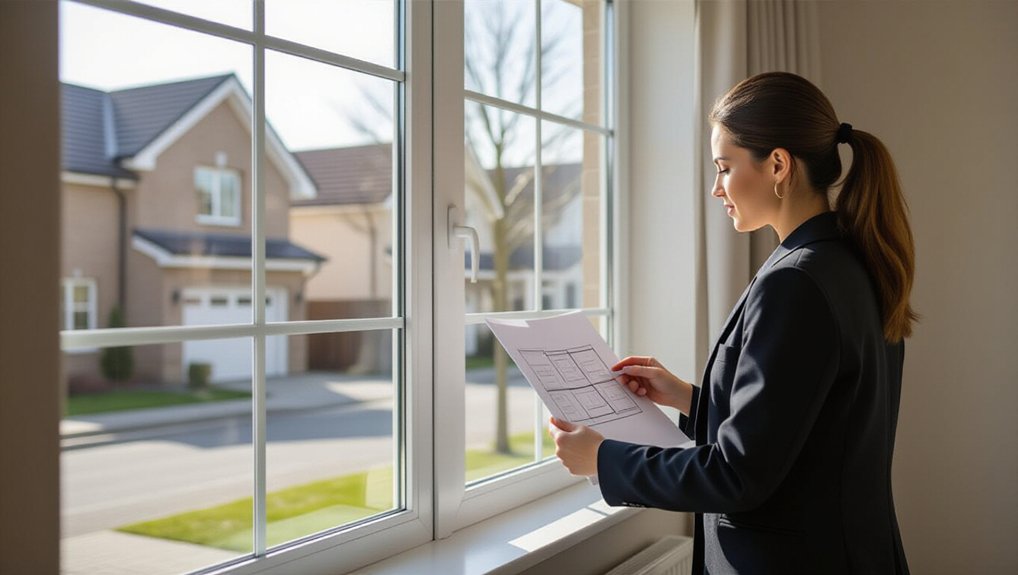
Recent sales give estate agents a practical benchmark for estimating what buyers may pay for a property today. Your agent will compare your home with nearby properties that have sold recently, prioritising those with similar size, layout and location. Asking prices offer context, but completed transactions provide stronger evidence of what buyers actually accepted.
Timing matters: older sales may not reflect current Market trends, especially when demand or mortgage costs have shifted. Your agent can interpret those changes and adjust comparisons to avoid relying on outdated figures.
A small group of well-matched sales usually supports valuation accuracy better than a broad set of loosely comparable properties. You can ask which transactions informed the estimate and why they’re relevant.
This evidence-based approach helps you understand the suggested price and assess whether it reflects today’s local market.
How Condition and Features Affect Your Valuation
While comparable sales establish a baseline, your property’s condition and features can shift its likely value. An agent will assess how well you’ve maintained essential elements, including the roof, windows, plumbing, and heating. Visible defects may prompt buyers to budget for repairs, reducing what they’re prepared to offer.
Conversely, a well-kept home can support a stronger valuation by signalling fewer immediate costs.
Interior upgrades can add appeal when they improve function and suit the property’s standard. A modern kitchen or updated bathroom may help, but costly finishes won’t necessarily return their full price.
Energy efficiency also matters: effective insulation, efficient heating, and quality glazing can lower running costs and strengthen buyer confidence.
Agents weigh these benefits against condition, workmanship, and likely buyer priorities, rather than assigning value to features simply because you’ve invested in them.
How Location and Demand Affect Property Value
Condition and features matter, but location often sets the limits of a property’s value. Estate agents assess how your area’s transport links, schools, amenities, employment opportunities, and reputation appeal to likely buyers.
Strong local services and convenient connections can widen your buyer pool, while noise, limited access, or weaker facilities may reduce demand.
Agents also study neighborhood trends, comparing recent sales and buyer interest in similar homes nearby. If demand exceeds supply, you may attract stronger offers and a higher valuation.
If buyers have more choice, your agent may recommend a more cautious figure. Broader market fluctuations, including interest-rate changes and economic uncertainty, can shift affordability and purchasing confidence.
Your valuation thus reflects both the property’s immediate setting and current competition. Ask your agent to explain which local evidence supports their estimate.
How Layout and Kerb Appeal Influence Value
A well-planned layout can make a home feel more spacious and practical, helping buyers picture how they’d use each room. Estate agents assess how rooms connect, whether natural light reaches key areas and whether the floor plan suits modern living. A flexible reception room or useful storage can strengthen appeal, while awkward circulation or limited functionality may narrow your buyer pool and affect offers.
Kerb appeal shapes that first impression before buyers step inside. Your home’s architectural style, exterior condition and landscaping design all influence perceived quality and how it compares with nearby properties. A coherent frontage can support value; neglected boundaries or a mismatched extension may detract from it.
Agents weigh these features alongside local evidence, not in isolation: attractive presentation can help your property compete, but layout and exterior appeal won’t override location or market demand.
How to Prepare for an Estate Agent Valuation
Before the valuation, gather details of any improvements, repairs and planning permissions, and make sure the agent can access every room. Clear surfaces, tidy each space and address minor defects so the agent can assess your property’s condition without distraction. You don’t need to stage your home or conceal wear; accurate information supports a credible appraisal.
Prepare a concise list of features that may affect value, such as energy upgrades, storage, parking or recent work. Tell the agent about known issues, restrictions and comparable local sales you’ve researched.
Ask how they weigh current demand, property condition and location when setting an estimate. Discuss their Pricing strategies and marketing techniques, including the evidence behind their recommended asking price and how they’ll reach likely buyers.
A focused conversation helps you judge whether the valuation reflects your property and the local market.
Conclusion
When you invite an estate agent to value your home, the details that shape buyers’ decisions shape the estimate too. Recent comparable sales set the benchmark; condition, location, layout and kerb appeal explain where your property sits against it. Coincidentally, the same improvements that make your home more appealing to buyers can also support a stronger valuation. Prepare access, share upgrade records and ask how evidence informs the figure. You’ll gain a clearer, more defensible guide to pricing.