
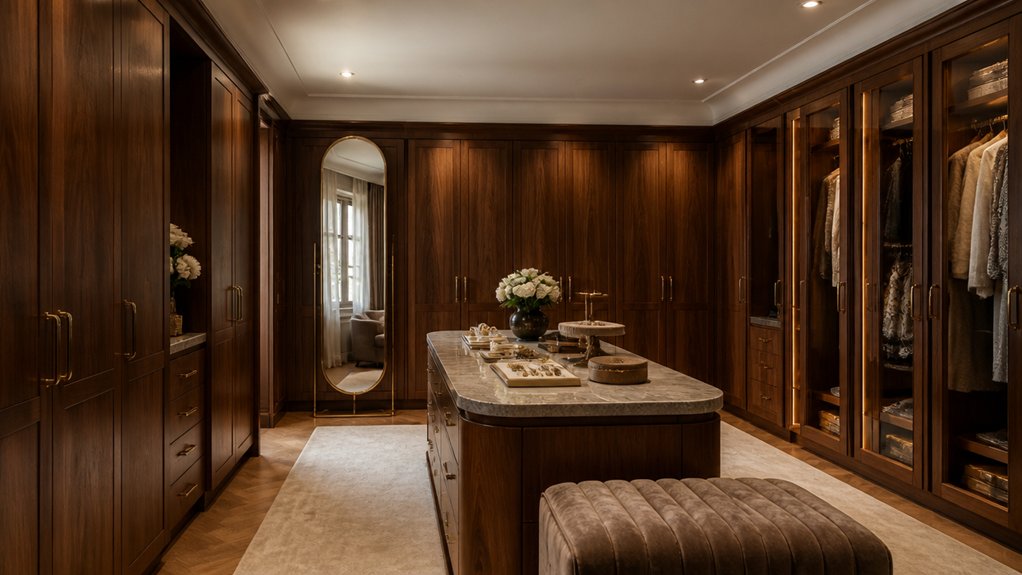

When a London homeowner replaced a single ceiling light with layered task and ambient lighting, getting dressed became easier and the room felt more composed. You can achieve the same balance by planning around your routine, choosing storage that fits your wardrobe, and selecting finishes that hold up to daily use. A well-designed dressing room doesn’t depend on size alone; a few considered projects can change how the space works—and one detail is often overlooked.
Plan Your Dressing Room Layout Around Your Routine
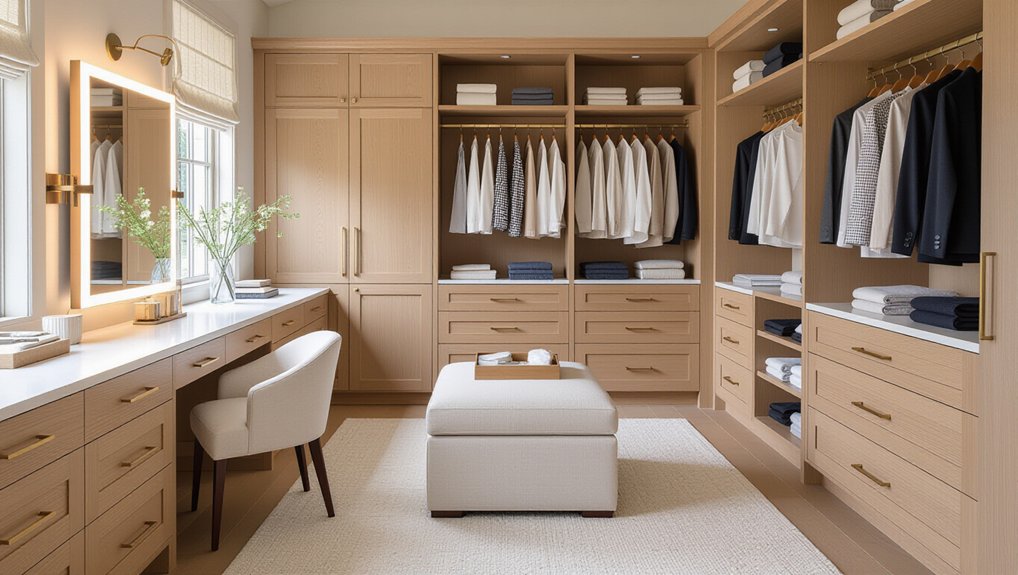
Before choosing cabinetry or finishes, map your dressing room around the way you get ready. Note where you dress, apply makeup, and check your appearance, then arrange the room to support that sequence. Place a mirror and good lighting where you can use them without crossing the space, and keep a clear path between the entrance and your dressing area.
Consider how many people use the room and when. If you share it, plan separate zones or staggered access so morning routines don’t collide. Measure doors, windows, and walkways before settling on a layout; allow enough clearance to open doors and move comfortably.
This early Space optimization makes the room feel calm, not cramped. Thoughtful Personalized organization begins with your habits, helping every daily task flow naturally through the space.
Add Bespoke Dressing Room Storage
Once your layout supports your routine, tailor the storage to what you own and use most. Start with an inventory of clothing, shoes, bags, and accessories, then assign each category a dedicated place.
Adjustable shelves and hanging rails accommodate changing wardrobes, while drawers with dividers keep smaller items orderly. Add pull-out trays for watches or jewellery, and specify shoe shelves that suit your collection’s height and depth.
Custom closet organization works best when you plan around how you dress, not just what you own. Use full-height cabinets for seasonal pieces and reserve accessible sections for everyday essentials.
Choose durable finishes and well-fitted hardware to guarantee frequent use won’t compromise performance. These Elegant storage solutions make your dressing room feel considered while helping you find, return, and care for belongings with less effort.
Layer Dressing Room Lighting for Better Visibility
Good dressing room lighting combines ambient, task, and accent layers so you can see colors accurately and choose outfits with ease. Start with ambient illumination from ceiling fixtures or recessed lights, distributing brightness evenly across the room. Choose a warm-neutral color temperature that renders clothing shades faithfully without making the space feel stark.
Add task lighting where shadows interfere with visibility, such as beside wardrobes or inside deep storage. Vertical fixtures or integrated cabinet lights can illuminate garments more evenly than a single overhead source. Use dimmers to adjust brightness for different times of day and prevent glare.
Finally, add accent lighting to highlight shelving or architectural details, keeping decorative effects secondary to practical visibility. Select high-quality LED bulbs with consistent color rendering, and position every fixture to avoid casting shadows on your clothing.
Create a Dressing Room Vanity That Works
A well-planned dressing room vanity gives you a comfortable place to get ready while keeping everyday essentials close at hand. Start by choosing a location near your wardrobe, so you can move easily between dressing and grooming.
Plan mirror placement around your routine: a full-length mirror helps you check an outfit, while a smaller, well-positioned mirror supports detailed tasks.
Keep the surface clear by assigning drawers or organizers to makeup, brushes, and accessories. Add a nearby outlet for styling tools, and route cords neatly to prevent clutter.
Use color coordination to connect the vanity with the rest of your dressing room; matching accents can make the area feel intentional without overwhelming it.
Before installation, measure the space and confirm you’ll have enough room to sit, open drawers, and reach frequently used items.
Choose Durable Finishes and Comfortable Seating
Because a dressing room sees daily use, choose finishes that resist scratches, moisture, and frequent cleaning. Select sealed wood, quality laminate, or durable lacquer for cabinetry, and use washable paint on walls.
For flooring, consider engineered wood or porcelain tile; both handle wear better than delicate surfaces. Test samples in your room’s lighting, and confirm that cleaners won’t damage the finish.
Comfort matters just as much. Choose a cushioned stool or compact chair with supportive upholstery, sturdy legs, and a height that suits your vanity.
Luxury textiles can soften the space, but pick tightly woven, stain-resistant fabrics you can maintain easily. Add designer accessories sparingly, keeping surfaces uncluttered and practical.
If you expect heavy use, prioritize replaceable seat covers and durable hardware. These choices help your dressing room feel polished while standing up to everyday routines.
Conclusion
A luxurious dressing room starts with the way you live. Arrange the layout around your routine, tailor storage to your belongings, and layer lighting so every task feels effortless. Add a practical vanity, durable finishes, and comfortable seating to make daily preparation more enjoyable. You don’t need excess; thoughtful choices create lasting impact. Think of your dressing room as a well-composed wardrobe: each element has its place, and together they turn everyday rituals into a polished, calming experience you’ll appreciate for years to come.