


If you want to sell your home without unnecessary delays, focus on what buyers notice first: its condition, presentation, and price. Experienced estate agents also stress the value of clear paperwork, quick replies, and convenient viewing times. These details can help serious buyers act with confidence, but getting them right takes more than a quick tidy-up. Here’s what to prioritize before your property goes on the market.
Choose an Agent Who Knows Your Local Market

Choose an agent with a strong track record in your local market, because neighborhood knowledge can shape your pricing, marketing, and timing. Your agent should understand which features attract buyers nearby, how local demand shifts through the year, and what competing homes offer.
Ask about recent sales and current buyer activity, then listen for specific examples rather than broad promises. An experienced professional can explain how your property fits the area and recommend practical steps to present it well.
Check references, review the agent’s marketing materials, and confirm who’ll handle viewings and negotiations. You’ll also want clear communication and honest updates throughout the process.
The right agent combines local market insight with expert advice, helping you make informed decisions and reach suitable buyers without relying on guesswork.
Price Your Home to Match the Market
Price your home based on what buyers are paying—not what you hope to get. Research comparable properties that have recently sold in your area.
Adjust your asking price for current market conditions. A well-supported price can attract serious buyers and help you avoid costly delays.
Research Comparable Properties
To set a realistic asking price, research comparable homes that have recently sold in your area. Focus on properties with similar size, age, condition, layout, and features. Recent sale prices offer stronger evidence than current asking prices, which may not reflect what buyers will pay.
Check several examples rather than relying on one unusual sale, and note differences that could affect value, such as a renovated kitchen or larger garden. Your estate agent can help you interpret the data and identify relevant Market trends.
Use these findings to guide your pricing strategies, not to copy another seller’s figure. A well-supported price helps you attract serious buyers, avoid overpricing, and reduce the risk of repeated price cuts.
Keep your comparisons local and recent so your asking price reflects what buyers have actually paid nearby.
Adjust for Market Conditions
Even strong comparable sales can’t tell the whole story if the market has shifted. To set a realistic asking price, look beyond recent transactions and assess current demand. If buyers are competing for few homes, you may have room to price more firmly.
If listings are lingering and offers are scarce, an ambitious figure can cost you valuable time.
Track market volatility in your area, not just national headlines. Review new listings, price reductions, days on market, and sale-to-list ratios.
Ask your agent to interpret economic indicators, such as interest rates, employment trends, and borrowing costs, because they can influence what buyers can afford.
Then adjust your price to reflect today’s conditions. Revisit it regularly, and respond promptly to fresh evidence.
A well-timed, evidence-based price can attract serious buyers and strengthen your negotiating position.
Get Your Sale Paperwork Ready Early
Start gathering essential sale documents early, including your deed, mortgage details, and property records.
Check legal details such as ownership names, liens, and required disclosures.
Resolving gaps now can help prevent delays when you accept an offer.
Gather Essential Documents
Before listing your property, gather the paperwork buyers, agents, and solicitors may need. Start with your property’s title documents, mortgage details, and recent utility bills. Add planning permissions, building regulations certificates, guarantees, and warranties for work or appliances.
If you’ve made improvements, collect invoices and contractor details to help answer questions about their scope and timing. Your agent can tell you which records buyers commonly request in your area, so ask early and fill any gaps before viewings begin.
Keep digital copies in one clearly labelled folder and store originals safely. A recent home inspection report can provide useful information, while staging tips may help you present rooms effectively.
Having these documents ready supports prompt, confident responses and helps prevent avoidable delays once an interested buyer makes an offer.
Check Legal Details
Check the legal details early to give your sale a smoother path once you accept an offer. Ask your solicitor or conveyancer to review the title, identify restrictions, and confirm who owns the property. Resolve discrepancies before marketing, such as outdated ownership records or unclear boundaries, so they don’t delay exchange.
Gather planning permissions, building regulation certificates, guarantees, and records of alterations. If you’ve made changes without approval, seek professional advice on the right remedy.
Check whether leasehold terms, shared access, or other obligations need disclosure to buyers.
Legal compliance protects your transaction and helps prevent avoidable disputes. Request clear explanations of fees, timelines, and required forms from your conveyancer.
Contract clarity matters: understand the conditions before you sign, and don’t assume standard wording covers your circumstances. Preparing early helps you answer enquiries accurately and keep your sale moving.
Boost Your Home’s Curb Appeal
Buyers often form an opinion before they step inside, so make your home’s exterior look clean, cared for, and inviting. Start with a thorough tidy-up: clear pathways, remove weeds, trim overgrown plants, and wash windows and the front door. These simple tasks signal that you’ve maintained the property.
Consider modest landscaping enhancements, such as fresh mulch, seasonal flowers, or neatly edged borders. Choose plants suited to your climate and avoid changes that demand extensive upkeep.
Check that gates, fences, steps, and railings are secure and in good condition; repair chipped paint or loose hardware before viewings.
Use exterior lighting to brighten entrances and paths, especially for evening appointments. Keep fixtures clean, replace burnt-out bulbs, and choose warm, consistent light.
Park vehicles elsewhere when possible, and keep bins out of sight. A polished approach helps buyers feel welcome from arrival.
Show Buyers Your Home’s Best Features
Highlight the features that make your home stand out, such as natural light, useful storage, or a well-designed layout. Then arrange each room to help buyers notice those advantages. Thoughtful home staging can clarify how a space works: position furniture to show an easy flow, and use accessories sparingly to draw attention to architectural details. If a room serves several purposes, make its primary use clear so buyers can picture themselves living there.
Pay attention to lighting enhancement, too. Open curtains, raise blinds, and switch on lamps before viewings to make rooms feel welcoming and reveal their proportions. Use warm, consistent bulbs, especially in darker areas, and place lamps where they brighten corners without glare.
Ask your estate agent which features attract buyers in your area, then make those benefits prominent in listing photos and during viewings.
Clean and Declutter Before Viewings
Before each viewing, clean thoroughly and clear away clutter so rooms feel spacious and well cared for. Focus on kitchens and bathrooms, where grime is especially noticeable. Wipe surfaces, polish taps, clean mirrors, and remove limescale. Vacuum floors, dust skirting boards, and open curtains to let in natural light.
Put away personal items, excess ornaments, and anything that crowds worktops or shelves. Buyers need to see the room’s proportions and imagine their belongings there. Use practical storage solutions, such as baskets or closed cupboards, to keep everyday essentials out of sight without creating overfilled spaces.
Set simple cleaning routines in the days before appointments, rather than leaving everything until the last minute. Check each room from the doorway, then address visible marks, odours, or misplaced items. A consistently tidy home signals careful upkeep.
Make Viewings Easy for Serious Buyers
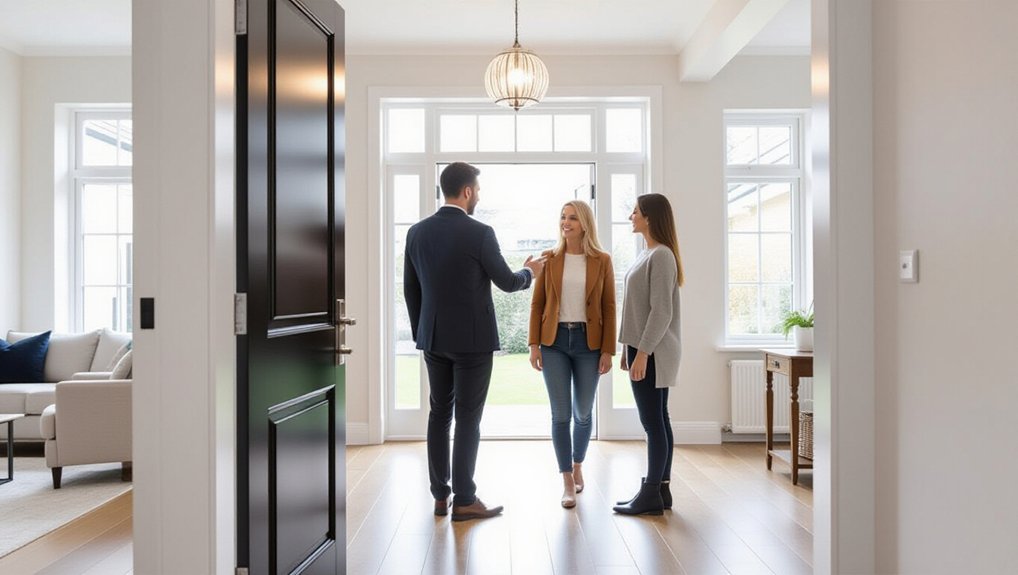
Make it straightforward for serious buyers to arrange a viewing by offering flexible appointment times, including evenings or weekends where possible. Flexible scheduling can help buyers fit a visit around work and family commitments, widening your pool of potential purchasers.
Keep the property accessible, presentable, and ready to show, so you can accommodate suitable appointments without unnecessary disruption.
If buyers live far away or can’t visit immediately, provide virtual tours that let them explore the layout and key features remotely. Use clear, accurate footage and include every important room; a virtual tour should support, not replace, an in-person inspection.
Before each viewing, make sure access arrangements are simple and any relevant instructions are clear. A smooth, convenient visit helps serious buyers assess the property properly and decide whether it suits their needs.
Respond Quickly to Offers and Questions
Once viewings begin, respond promptly to buyers’ questions and offers. Timely responses show that you’re organised, attentive, and serious about a sale. Answer questions accurately, and if you need to check a detail, say when you’ll follow up—then meet that deadline. Clear communication builds trust and keeps interested buyers engaged.
When an offer arrives, acknowledge it quickly, even if you haven’t decided whether to accept. Review the price, conditions, proposed timeline, and the buyer’s position before responding.
Your estate agent can help you assess the offer and negotiate confidently, but make your priorities clear so they can act without delay.
Strong customer engagement doesn’t mean accepting pressure or replying around the clock. Set practical contact arrangements, keep your phone and email accessible, and provide consistent updates.
Prompt, professional communication can prevent avoidable delays and help serious buyers move towards a decision.
Conclusion
Selling your home isn’t magic, though a tidy hallway and realistic price can seem suspiciously effective. Choose an agent who knows your local market, prepare paperwork early, and make viewings easy. Show off your home’s best features, answer questions promptly, and consider sensible offers without treating every negotiation like a royal summit. You can’t control every buyer’s taste, but you can remove avoidable obstacles. Do that, and your property may sell faster—with fewer dramatic episodes than a house-hunting reality show.