
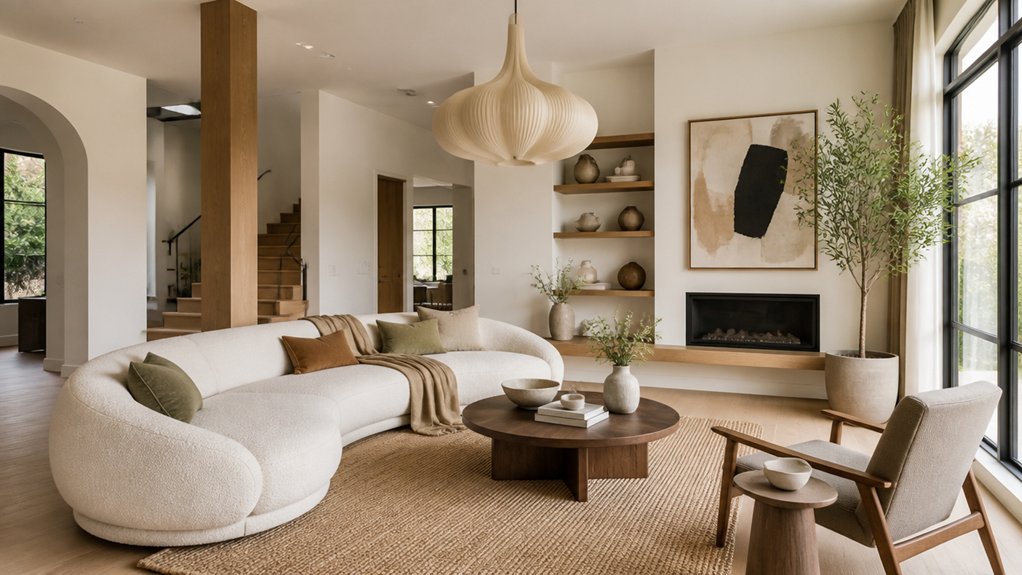

A tired interior doesn’t need a complete overhaul to feel modern and inviting. Start by evaluating what works, what feels dated, and where your budget can make the greatest impact. A cohesive light palette, layered lighting, and carefully chosen furniture can transform the room, while texture and personal details keep it from feeling generic. The key is knowing which changes to make first—and which familiar features are worth keeping.
Plan Your Modern Interior Refresh
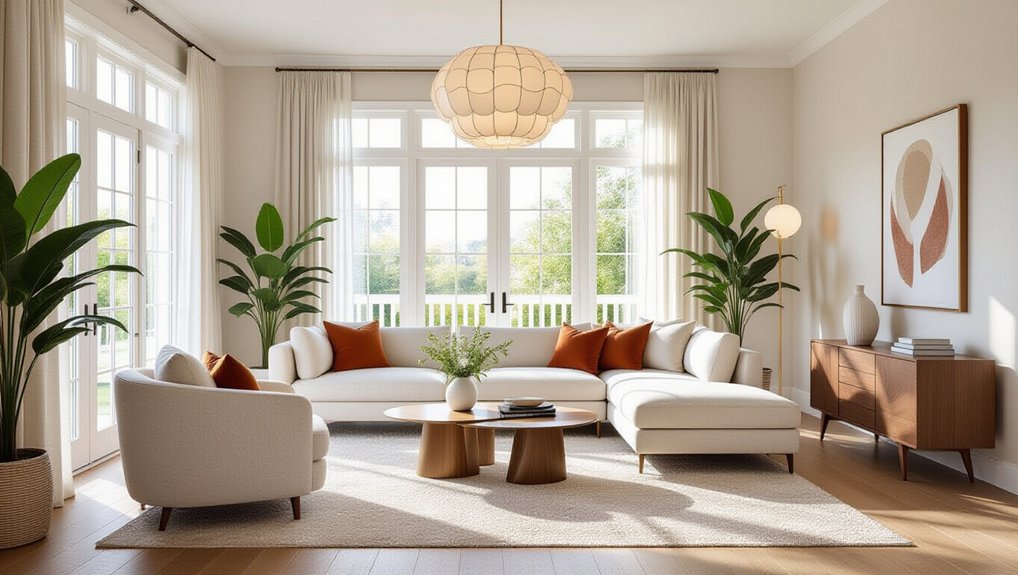
A successful modern interior refresh starts with a clear plan, not a shopping list. First, assess how you use each room and identify what feels dated, cramped, or visually disconnected. Set a clear design direction by choosing a restrained palette, a few complementary materials, and a consistent level of contrast. These decisions give you a practical framework for evaluating every change.
Next, map the room’s focal points, circulation paths, and natural light. Thoughtful furniture arrangement should support conversation and movement without blocking windows or creating awkward gaps. Consider scale before selecting pieces; oversized furnishings can overwhelm a compact room, while undersized items may feel unanchored.
Make wall art choices that reinforce your palette and suit the wall’s proportions. Record priorities and measurements, so your plan stays coherent as you refine the space.
Prioritize Budget-Friendly Updates
Once you’ve set a clear design direction, prioritize updates that deliver the greatest visual impact for the least cost. Assess each room and identify worn, distracting features that you can improve without replacing everything. A fresh set of cabinet handles, updated light fixtures, or well-placed mirrors can make a space feel more considered while keeping spending controlled.
Use affordable decor strategically: choose a few durable, versatile pieces rather than filling rooms with low-quality accessories. Before buying, compare prices, measure carefully, and check whether existing items can serve a new purpose.
DIY projects can stretch your budget further, especially when you tackle straightforward tasks such as refinishing furniture or installing shelves. Set a firm spending limit, track expenses, and reserve funds for essential repairs. This approach helps you invest where changes will matter most and avoid costly, impulsive purchases.
Choose a Brighter, Cohesive Color Palette
When a room feels dim or dated, a brighter, cohesive color palette can make it seem more open and bring its features together. Start with a light, flexible base—warm white, soft gray, or pale beige—and repeat it across walls and larger surfaces.
Then add two or three complementary colors to create continuity without making every room look identical. Consider how natural light shifts each shade throughout the day; test paint samples on different walls before committing.
Use deeper tones selectively to define zones or add contrast. Bold accent walls can work when their color connects to nearby furnishings and finishes, while statement artworks offer a focused burst of color without overwhelming the room.
Keep undertones consistent, and your choices will feel intentional, balanced, and distinctly modern.
Layer Lighting and Update Key Furniture
Thoughtful lighting and well-chosen furniture can make a tired room feel both more functional and more current. Start by layering ambient, task, and accent lighting so you can adapt the room to different activities. A dimmer lets you adjust overhead light, while a table lamp or directional fixture brightens a reading area. Use Statement lighting to establish a focal point, but choose a scale that suits the ceiling and room dimensions.
Next, assess how you use the space before replacing furniture. A considered furniture arrangement improves circulation, supports conversation, and makes the room feel more balanced. Measure key pieces and clearances before buying; oversized furniture can crowd a compact room, while undersized pieces may seem disconnected.
Update the sofa, chairs, or coffee table first, prioritizing comfort, proportion, and practical function.
Add Texture and Personal Details
To keep a modern room from feeling sterile, layer textures that add contrast without clutter. Pair smooth surfaces, such as glass or lacquer, with tactile materials like linen, wool, wood, and stone. This textural contrast gives the eye depth to explore while keeping your palette cohesive.
Choose a few distinct finishes rather than adding many competing patterns; repetition helps the room feel intentional.
Then introduce details that reflect your life. Display a small collection, frame meaningful photographs, or bring home a handmade object from a place you love. These choices create personal storytelling without making the space feel crowded.
Edit regularly, leaving breathing room around each item so it reads as a focal point. When you balance tactile variety with carefully selected keepsakes, your modern interior feels polished, comfortable, and unmistakably yours.
Conclusion
A successful modern refresh starts with a clear plan, not a shopping spree. Assess what works, set priorities, then use a cohesive palette, layered lighting, and well-scaled furniture to improve comfort and flow. Add texture and personal details, but edit carefully so each choice earns its place. Lighting deserves particular attention: the U.S. Department of Energy estimates that LEDs use at least 75% less energy than incandescent bulbs. With focused updates, you can create a brighter, more inviting home without overspending.