
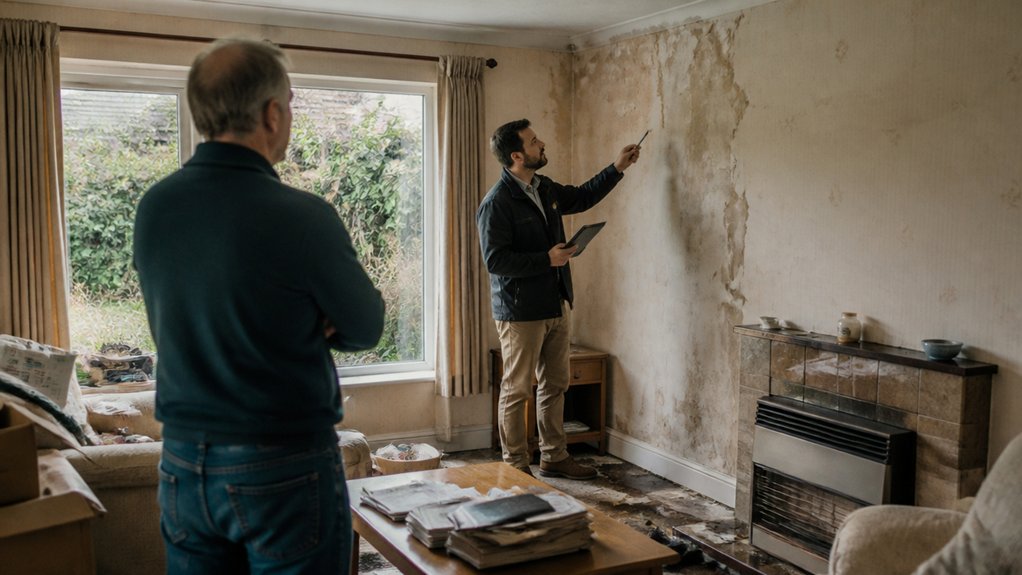

A property valuation can turn on details you might overlook—and one small mistake can shift the figure more than you expect. If you rely on outdated comparables, forget to document improvements, or let personal preferences shape your expectations, you may misjudge your home’s market value. Accurate records, thoughtful preparation, and a clear view of defects all matter. Before the valuer arrives, consider which common errors could affect your result.
Choose Recent, Relevant Property Comparables

When estimating your home’s value, compare it with recent sales of similar properties nearby. Choose homes with comparable size, age, layout, and condition in the same neighborhood. A sale from several months ago may no longer reflect current market trends, especially if prices or demand have shifted.
Use closed sales rather than asking prices: listings show what sellers hope to receive, not what buyers actually paid.
Don’t rely on one unusually high or low sale. Review several relevant comparables, then adjust for meaningful differences such as location, lot size, or living area.
If suitable sales are scarce, widen your search cautiously and account for neighborhood differences. These comparisons support sound Pricing strategies and help you avoid overpricing or undervaluing your property.
A local appraiser or experienced agent can help you select reliable comparables.
Document Upgrades That May Affect Value
Keep permits, plans, and inspection records for improvements that required approval, since buyers and appraisers may value documented, permit-ready work.
Record materials and workmanship—not just what you spent—because quality can matter more than cost.
Note each upgrade’s completion date so you can show how recent it is.
Permit-Ready Improvements
Permit-ready improvements can strengthen your home’s value only when you can document the work. Keep copies of permits, inspection approvals, contractor invoices, and plans for major renovations. These records help an appraiser verify what you changed, when you completed it, and whether the work met building codes and legal compliance requirements.
Don’t assume a finished project speaks for itself. An enclosed porch, added bathroom, or converted garage may not count as permitted living space if local records don’t recognize it. Check your municipality’s permit history and resolve open permits before the valuation.
If you can’t find paperwork, contact the building department or the contractor who handled the job. Accurate documentation gives the appraiser a clear basis for *evaluating* improvements and can prevent permitted work from being overlooked or questioned. Keep digital backups with your property records.
Quality Over Cost
Permits show that an upgrade was completed legally; its quality helps show whether it may affect your home’s value. Don’t assume a high price guarantees a higher valuation. An appraiser considers workmanship, materials, functionality, and how well an improvement fits your property and local market.
Keep invoices, contracts, warranties, and product specifications for substantial projects. These records can clarify what you installed and support claims about the materials or features. For example, luxury upgrades may add limited value if buyers in your area don’t expect them, while durable, well-executed improvements may have broader appeal.
Document aesthetic enhancements, too, but distinguish decorative choices from functional upgrades. Photos and clear records help an appraiser assess visible work; they don’t establish value on their own. Present evidence, not assumptions, and let the appraiser weigh each improvement impartially.
Document Upgrade Dates
When did you complete each upgrade? Dates help an appraiser judge whether improvements still contribute to your home’s value. A new roof, heating system, or kitchen may carry different weight depending on its age, condition, and local market expectations.
If you can’t verify when work happened, the appraiser may rely on visible signs or estimate the improvement’s age, which could affect the valuation.
Keep upgrade documentation organized and easy to access. Save invoices, permits, warranties, contractor agreements, and payment records.
Your renovation records should identify the work, completion date, materials, and contractor where possible. For projects you completed yourself, note the dates and retain receipts for materials.
Before the appraisal, prepare a concise list of upgrades with dates and supporting documents. Don’t overstate an improvement’s impact; provide evidence and let the appraiser assess its contribution.
Separate Personal Taste From Market Value

Your favorite finishes may not add value if buyers don’t share your taste. Focus on features that appeal to a broad range of buyers.
Compare your home with similar properties to gauge its market value.
Personal Taste Isn’t Value
You may love your bold paint colors or custom finishes, but buyers and appraisers judge a home by market demand, not personal preference. Your interior decor and personal style can make a space feel uniquely yours, yet they rarely justify a higher valuation on their own.
An appraiser typically considers comparable sales, location, size, condition, and features that buyers consistently value. If you’ve invested in distinctive upgrades, don’t assume you’ll recover their full cost; specialized choices may appeal to a narrower pool of buyers.
Keep receipts and document substantial improvements, but separate documented work from subjective preferences when estimating your home’s worth. For a realistic picture, compare your property with similar recent sales and ask a qualified local professional how specific renovations affect value in your market.
Focus on Buyer Appeal
To estimate your home’s market value accurately, focus on features that appeal to a broad range of buyers, not just those that reflect your personal taste. Buyers often value a well-maintained, functional home more than distinctive décor or costly custom upgrades.
Assess your property through their eyes: Does the layout work for everyday living? Are essential systems in good condition? Could someone move in without major repairs?
Curb appeal shapes first impressions, so tidy landscaping, a clean entry, and sound exterior finishes can make your home more inviting. Inside, neutral colors, good lighting, and thoughtful interior staging help buyers picture themselves in the space.
You don’t need to erase every personal touch or undertake a major renovation. Prioritize visible maintenance and broadly useful improvements, and avoid assuming your favorite features will increase market value.
Compare Similar Properties
When estimating market value, compare your home with recent sales of similar properties in the same area—not with homes that simply match your taste or ambitions. Choose properties with comparable size, age, condition, layout, and features. A renovated kitchen or larger lot can affect value, but don’t assume your preferred upgrades will earn their full cost back.
Check sale dates, too. Market timing matters: prices can shift as interest rates, inventory, and buyer demand change. Review Neighborhood trends to see whether values are rising, stable, or declining, and weigh recent sales more heavily than outdated examples.
Your home won’t match any comparable exactly. Adjust for meaningful differences, and avoid relying on asking prices, which don’t prove what buyers will pay. A qualified appraiser or local agent can help you select and interpret the strongest comparisons.
Gather Accurate Property Records and Details
Accurate property records give you a reliable starting point for estimating your home’s value. Gather your deed, survey, floor plans, and records of the property’s age, lot size, and finished square footage. Check that the details match the home as it exists today; outdated measurements or incorrect room counts can distort an appraiser’s understanding.
Review your Property tax assessment and confirm it lists the correct parcel, building area, and ownership details. Remember, the assessed value isn’t necessarily your home’s market value, but errors can create confusion.
Check local zoning regulations, too, and provide documents for permitted additions or changes in use. Keep records organized and share relevant details with the appraiser. Clear, verifiable information helps guarantee the valuation reflects your property accurately, rather than relying on assumptions or incomplete public records.
Address Defects Before the Valuation Visit
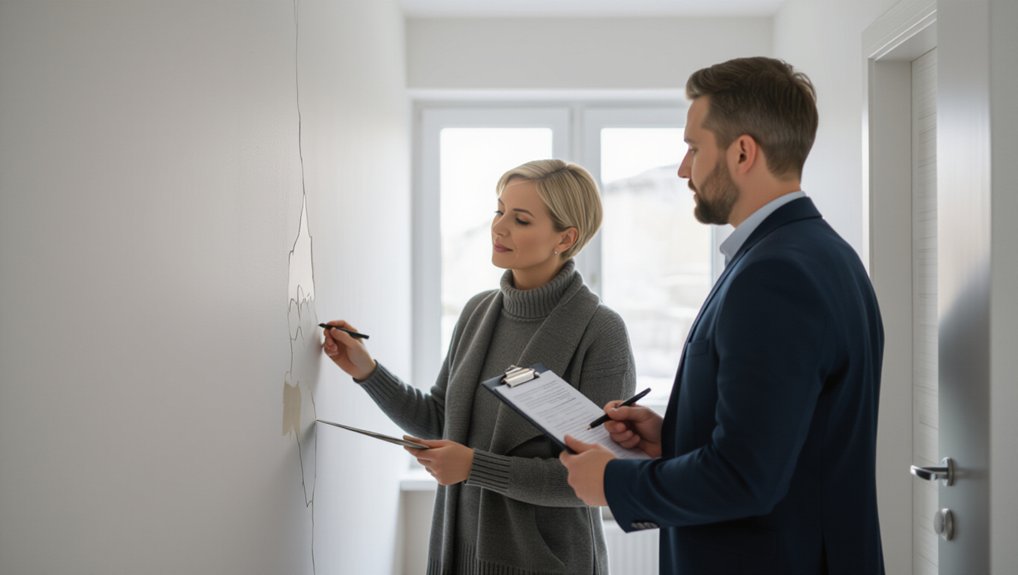
Before the appraiser arrives, fix visible defects that could affect your home’s condition rating or raise questions about maintenance. Repair leaking taps, cracked tiles, loose handles, damaged trim, and sticking doors. These small issues can suggest deferred upkeep, even when your home’s major systems work well. Address any obvious water stains or peeling paint, but don’t conceal damage; investigate its cause and keep repair records.
Check the exterior, too. Strong curb appeal supports a positive first impression, while neglected landscaping details can make the property look poorly maintained. Clear blocked gutters, secure loose steps, replace broken fence boards, and trim overgrown plants.
Prioritize safety hazards and defects that could worsen, such as active leaks or exposed wiring. You don’t need costly renovations; focus on sound, visible repairs that accurately reflect your home’s condition.
Prepare Your Home for the Valuer’s Visit
A well-prepared visit helps the valuer assess your property accurately. Make access straightforward: clear pathways, open relevant rooms, and guarantee the loft, garage, and outbuildings can be inspected. Gather plans, renovation records, and details of recent improvements so you can answer factual questions efficiently.
Use simple Staging strategies to present rooms clearly. Tidy surfaces, open curtains, and arrange furniture to show each space’s purpose and usable size. You don’t need expensive décor or to disguise ordinary wear; aim for a clean, accessible home that reflects its condition.
Apply practical Landscaping tips outdoors: mow the lawn, trim overgrowth, and clear entrances. Check that gates and external areas are accessible. Keep pets secure during the visit, and avoid hovering; stay available to provide information while giving the valuer room to work.
Challenge an Inaccurate Property Valuation
Even with careful preparation, a valuation can miss important facts or rely on incorrect details. Don’t accept a figure that seems wrong without checking the report. Review the property’s measurements, condition, features, and comparable sales for errors or outdated information.
Consider whether recent market fluctuations have changed local prices since the valuer gathered evidence, and watch for appraisal biases that may have affected the assessment.
If you find a clear issue, contact the valuer promptly and explain your concern with specific evidence. Provide recent sales of similar homes, records of improvements, or corrected property details.
Ask how the valuer reached the figure and whether they’ll reconsider it. Keep your communication factual and courteous, and follow the lender’s formal review process if needed.
If the dispute remains unresolved, seek an independent valuation before making financial decisions.
Conclusion
A property valuation is a snapshot, not a verdict. Give the valuer clear records, recent comparables, documented upgrades, and an honest view of defects. Set personal preferences aside, prepare your home, and check the report carefully. Each detail is a small brushstroke in the picture of your property’s worth. If that picture doesn’t correspond with the facts, speak up with evidence. You can’t control the market, but you can help ensure your home’s value is fairly seen.