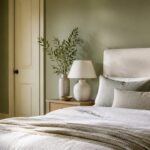
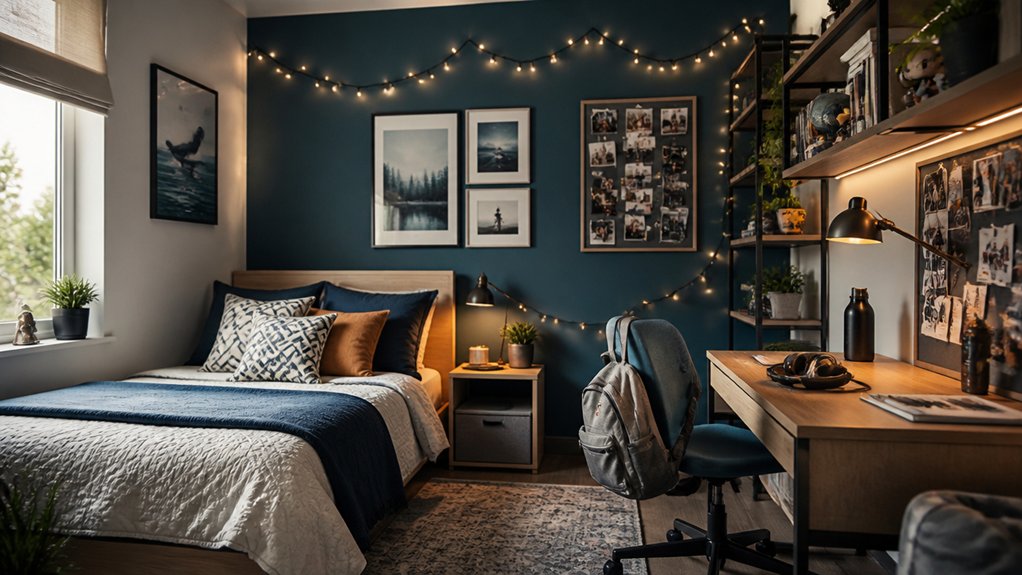

A teen’s bedroom works better when you plan around daily routines before choosing colors or decor. Start by noticing where your teen studies, relaxes, gets dressed, and keeps personal belongings; those habits should guide the layout, furniture, and storage. You can still make the room feel distinctly theirs with favorite colors, artwork, and collections. The key is balancing self-expression with comfort and function—and a few practical choices can make that balance much easier.
Start With Your Teen’s Needs and Routine
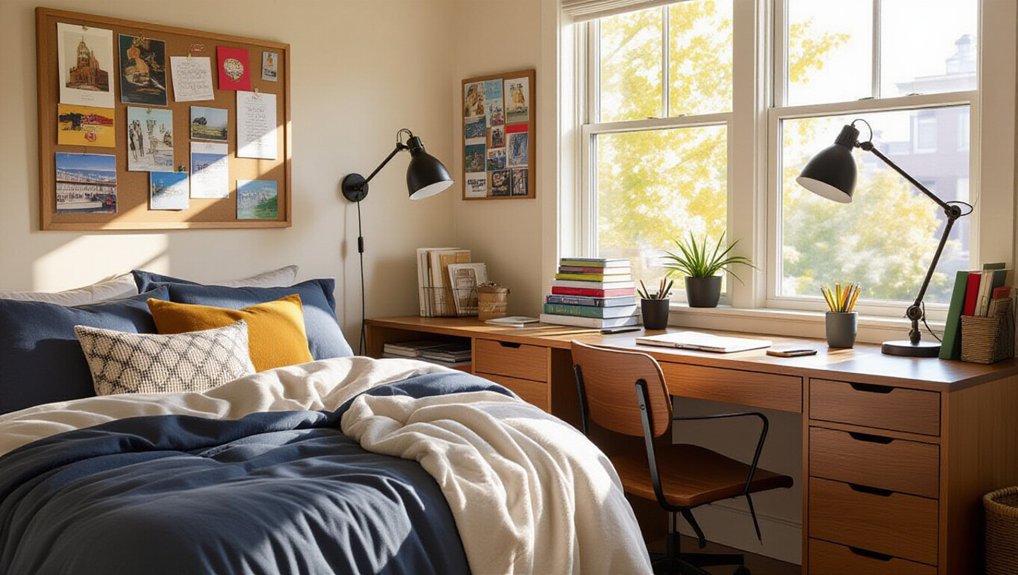
Before choosing colors or furniture, consider how your teen uses the room each day. Ask when they study, relax, sleep, and pursue hobbies. Find out what helps them focus and what makes the space feel comfortable. Their answers give you a practical starting point and help you avoid choices that look appealing but don’t suit their routine.
Discuss privacy, storage habits, and teen socializing, including whether friends visit often. Agree on which belongings need easy access and which activities require quiet.
Check bedroom safety, too: secure heavy items, keep walkways clear, and make sure cords and outlets won’t create hazards. Invite your teen to share priorities, but set clear limits around budget, maintenance, and household rules.
When you understand their daily needs, you can make informed design decisions that support independence and comfort.
Plan the Bedroom Layout and Main Furniture
Once you’ve identified your teen’s needs, plan the layout around the room’s size, shape, and fixed features, such as windows, doors, and closets. Place the bed where it won’t block circulation or access to storage.
Position a desk near natural light, with task lighting available for evening work. Choose furniture that fits the room and supports daily routines: a wardrobe, drawers, or shelves can keep essentials organized without crowding the floor.
Measure each piece and map its footprint before buying, leaving clear paths between zones. Use vertical storage to free up valuable floor space, and secure tall units to the wall.
Keep finishes and textile textures in mind when selecting furniture and accents. Consider wall art options that suit your teen’s style, placing them where they won’t interfere with doors, windows, or storage.
Make the Bed Comfortable and Versatile
Choose a supportive mattress and breathable bedding that suit your teen’s sleep preferences and the room’s climate. Add a washable mattress protector to guard against spills and extend the mattress’s life. Comfortable bedding starts with soft, durable sheets; cotton or linen can help regulate temperature, while a lightweight duvet makes layering easy. Keep a spare blanket nearby for colder nights, and choose colors or patterns your teen enjoys to give the bed a personal touch.
Make the bed work harder with versatile furniture. A storage bed or drawers beneath the frame can hold extra linens, seasonal clothes, or hobby supplies without crowding the room. If space is tight, consider a daybed that serves as a sofa for relaxing and accommodates overnight guests. Use supportive pillows for lounging, but avoid piling on accessories that complicate daily bed-making.
Choose pieces that are sturdy, easy to clean, and suited to your teen’s changing needs.
Create a Study Zone That Helps Them Focus
A well-planned study zone gives your teen a place to concentrate without taking over the bedroom. Choose a desk that fits the room and provides enough surface for a laptop, notebooks, and current assignments. Position it near a window for natural light, but add an adjustable task lamp to reduce eye strain after dark.
Select a supportive chair that lets your teen sit with feet flat and elbows comfortably level with the desk. Keep the backdrop calm, using Artistic wall displays sparingly so personal style doesn’t compete with schoolwork.
Consider Eco friendly materials, such as a desk made from responsibly sourced wood, for a durable, lower-impact choice. Finally, check that outlets are easy to reach and cords won’t cross walkways.
A defined work area helps your teen focus and maintain a healthy study routine.
Add Smart Storage for Clothes and Collections
Make the most of your closet with slim hangers, shelf dividers, and storage bins that keep clothes easy to find.
Give collections a dedicated display using wall shelves, shadow boxes, or a neatly arranged ledge. You’ll keep everyday items organized while making personal interests part of the room’s design.
Maximize Closet Space
When closet space is tight, smart storage keeps clothes and collections organized without crowding the room. Start by sorting what you wear, then assign each item a clear home.
Use slim, matching hangers to fit more garments on the rod, and add a second hanging bar for shorter pieces. Shelf dividers keep folded clothes from toppling, while labeled bins corral seasonal items and accessories.
Store rarely used belongings on the highest shelf, and place everyday essentials within easy reach. A hanging organizer can hold shoes, bags, or small collections without taking up floor space.
For effective Closet organization, measure your closet before buying Storage solutions, so every insert fits and serves a purpose. Review the setup each season; donating outgrown clothes frees space and keeps your system manageable.
Display Collections Creatively
Turn favorite collections into part of your teen bedroom’s decor while keeping them organized and easy to enjoy. Use wall shelves, shadow boxes, or a glass-front cabinet to display figures, books, sneakers, or keepsakes without crowding your desk.
Creative display ideas work best when you group items by color, theme, or size, then leave space around each arrangement so every piece stands out.
For practical collection organization tips, store less-used pieces in labeled bins beneath the bed or on a high closet shelf. Choose sturdy, adjustable shelving that can adapt as your collection grows, and secure tall units to the wall.
Rotate displayed items seasonally to refresh the room and protect delicate pieces from dust and sunlight.
Keep everyday clothing separate, using drawers or closet organizers, so collections remain visible without interfering with getting dressed.
Aim for a display that feels personal, tidy, and easy to maintain.
Choose Colors and Personal Decor
Choose a color palette that reflects your teen’s taste and suits the room’s lighting. Test paint samples on different walls, then check them throughout the day; natural light can shift how colors appear. Color psychology offers useful guidance: soft blues may feel calming, while warm yellows can add energy. Still, your teen’s preferences should lead the decision.
Use a neutral base for walls or larger furniture, then bring in favorite shades through bedding, artwork, rugs, and decorative accents. This approach makes updates easier as tastes change.
Invite your teen to choose a few personal details, such as framed prints, a meaningful poster, or a handmade object. Edit the mix so each item has room to stand out, and keep surfaces clear enough for everyday use.
Tie varied colors together by repeating one or two shades across the room.
Layer Lighting for Every Activity
Layer lighting so your teen can shift easily from studying to relaxing.
Place task lights at the desk and bedside to support reading and focused work.
Add warm ambient light to create a cozy glow without relying on harsh overhead lighting.
Task Lighting Zones
A single overhead light rarely works for every activity in a teen’s bedroom. Create task zones with focused fixtures that put light where you need it, reducing eye strain and keeping surfaces usable.
At the desk, choose an adjustable lamp that directs light onto books or a keyboard without shining into your eyes. A model with a stable base or clamp saves space and stays in position.
Beside the bed, install a reading light with a movable arm or a shielded wall fixture, so you can read without lighting the whole room.
Add targeted lighting near a mirror for grooming; place fixtures on both sides to limit shadows.
Use separate switches or dimmers for each zone. This lets you control brightness independently and supports an ambient glow without sacrificing clear, functional light.
Cozy Ambient Glow
Task lights handle focused work, but a cozy bedroom also needs softer, broader illumination. Layer ambient lamps with overhead lighting so you can adjust the room’s mood without sacrificing visibility. Choose warm-white bulbs for a restful feel, and use dimmers or smart bulbs to shift brightness from homework to winding down.
Place a lamp near your bed for reading, and add another in a dark corner to soften harsh shadows. String lights can bring a gentle glow to shelves or a headboard, but secure them safely and keep cords clear of walkways.
Avoid relying on decorative lights alone; they shouldn’t replace adequate general lighting. Let your teen choose shades and placements, then check that each layer serves a purpose. The result feels inviting and works for everyday routines.
Conclusion
A teen bedroom works best when it feels like a personal retreat and supports everyday routines. Think of the room as a well-packed backpack: every item has a place, yet there’s room for new interests. One family added a rolling cart beside the desk; when homework ended, it moved easily to the bed for sketching supplies. Start with your teen’s needs, then adjust the layout, storage, lighting, and decor as those needs change. The result feels personal, practical, and ready for what’s next.