


You don’t need a major renovation to make your home more appealing to buyers. A few practical updates—clearing clutter, cleaning high-traffic areas, and fixing small problems—can make rooms feel brighter, larger, and better cared for. Fresh paint, improved lighting, and simple styling can strengthen that first impression. Start with the changes buyers are most likely to notice, because one overlooked detail could undermine all your effort.
Declutter to Make Rooms Feel Bigger
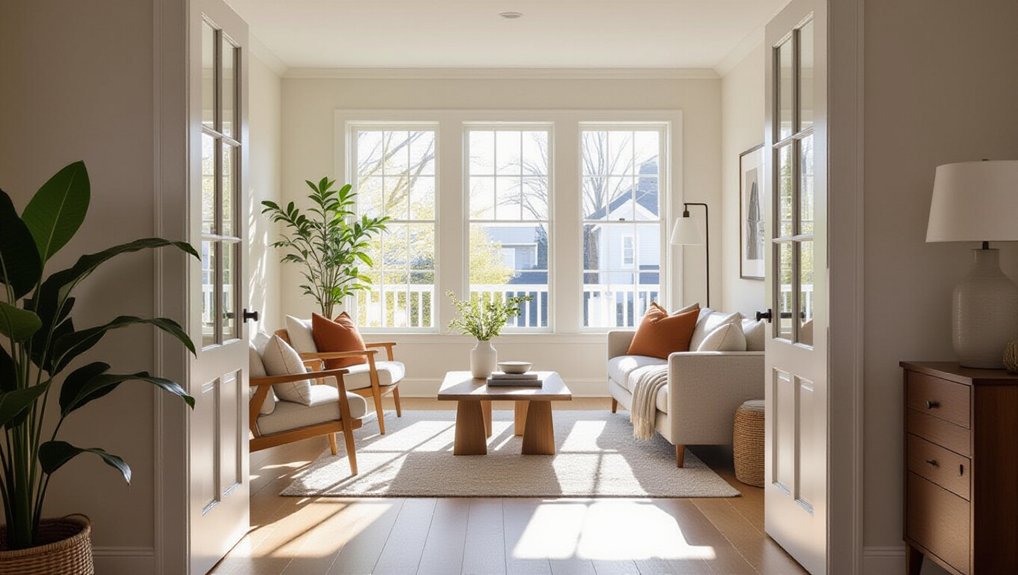
Clearing excess items helps rooms feel larger, brighter, and easier for buyers to imagine as their own. Start by removing anything you don’t use daily, including extra furniture, countertop appliances, and personal collections.
Keep walkways open and arrange remaining pieces to show each room’s purpose without crowding it.
Use practical Storage solutions, such as baskets or closed cabinets, to tuck away toys, paperwork, and other everyday clutter. Don’t overfill closets; buyers often look inside, and clear shelves suggest there’s room for their belongings.
Edit bookshelves and display surfaces, leaving a few carefully chosen items for warmth.
Keep Color schemes calm by limiting bold accents and visual distractions. You don’t need to redecorate; simply remove competing colors and patterns where possible.
A lighter, more orderly space helps buyers focus on the home’s size and features.
Deep-Clean the Areas Buyers Notice Most
A thorough clean can make a home feel cared for and help buyers focus on its best features. Start with the kitchen and bathrooms, where grease, soap residue, and water spots stand out. Scrub counters, sinks, faucets, and appliance fronts; clean inside the oven and refrigerator if buyers may open them.
In living areas, vacuum carpets, mop hard floors, and wipe baseboards, light fixtures, and window glass. Don’t overlook fingerprints on doors or dust on shelves.
Pay attention to odors, too. Air out rooms, empty bins, and wash fabrics that hold stale smells. Use scent marketing sparingly: a neutral, fresh atmosphere feels more inviting than strong fragrances.
Before a showing, dust staging accessories and arrange them neatly so clean surfaces remain the focus. A consistent deep clean helps buyers picture an easy-to-maintain home.
Fix Small Interior Problems Before Showings
Before showings, fix minor flaws that can make buyers question how well the home has been maintained. Tighten loose cabinet handles, repair sticking doors, replace burned-out bulbs, and secure wobbly towel bars. These quick fixes show buyers you’ve cared for the property and help them focus on its strengths rather than a repair list.
Check for scuffed baseboards, chipped trim, and squeaky hinges; address each with the right simple repair. Put away exposed cords and small clutter, then use thoughtful furniture arrangement to keep walkways clear and rooms easy to navigate.
If a drawer sticks or a closet door won’t close, fix it before visitors arrive.
Keep scent enhancement subtle: open windows briefly or use a mild, fresh scent. Strong fragrances can raise concerns, so let a clean, neutral atmosphere make a better impression.
Refresh Your Home With Paint and Light
Fresh paint and well-planned lighting can make rooms feel cleaner, brighter, and more inviting to buyers. Choose neutral shades, such as warm white, soft gray, or muted beige, to help rooms feel spacious and let buyers picture their own belongings there.
Color psychology matters: calming tones can make a home feel restful, while bright, saturated colors may distract. You don’t need to repaint every surface; focus on scuffed walls, dated colors, and high-traffic areas.
Next, assess how each room looks at different times of day. Open curtains, clean windows, and replace dim or mismatched bulbs with consistent, warm-white options.
Update worn lighting fixtures where needed, and add lamps to brighten shadowy corners. Good lighting highlights a room’s features and helps buyers see the home clearly during showings.
Style Each Room for a Strong First Impression
Once rooms feel bright and clean, thoughtful styling helps buyers picture themselves living there. Start by removing personal photos, collections, and excess décor so your home feels welcoming rather than overly customized. Keep a few carefully chosen accents to add warmth without distracting from the space.
Use furniture arrangement to show each room’s purpose and make movement easy. Pull furniture away from walls when it creates a more natural conversation area, and leave clear paths through busy spaces. In smaller rooms, remove bulky pieces to make the floor plan feel open.
Apply color coordination throughout your home with a restrained palette. Repeat a few tones in pillows, artwork, or rugs to create a cohesive look, but avoid matching everything exactly.
Before buyers arrive, straighten textiles, clear countertops, and check each room from the doorway. These simple details make your home feel cared for.
Conclusion
A faster sale often begins with a lighter touch. Clear the clutter, polish the spaces buyers notice, fix small flaws, and let fresh paint and bright lighting open the way. Then style each room with just enough warmth to help visitors picture themselves at home. Think of every improvement as a key: together, these simple changes can reveal a stronger first impression and help buyers see your home’s potential. Start before showings, and let your home shine.