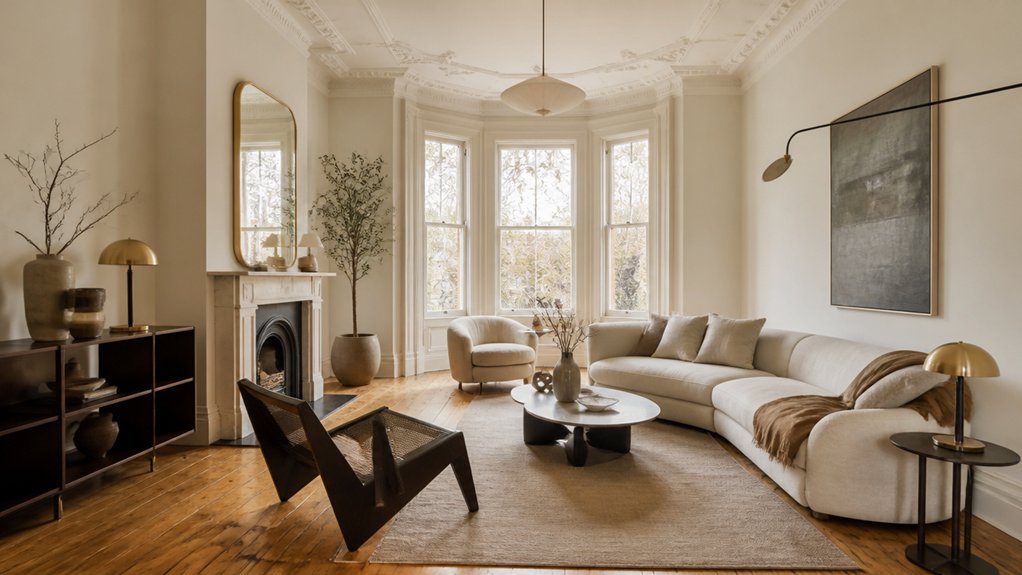

A dated interior can feel difficult to change, but a clear plan helps you make improvements that look polished and work for daily life. Start by evaluating the property and setting a budget that includes a contingency for surprises. Then tackle repairs, rethink the layout, and update kitchens and bathrooms before choosing colors, lighting, and furnishings. The order matters—and one overlooked issue can undo the rest.
Assess Your Home and Set a Realistic Budget
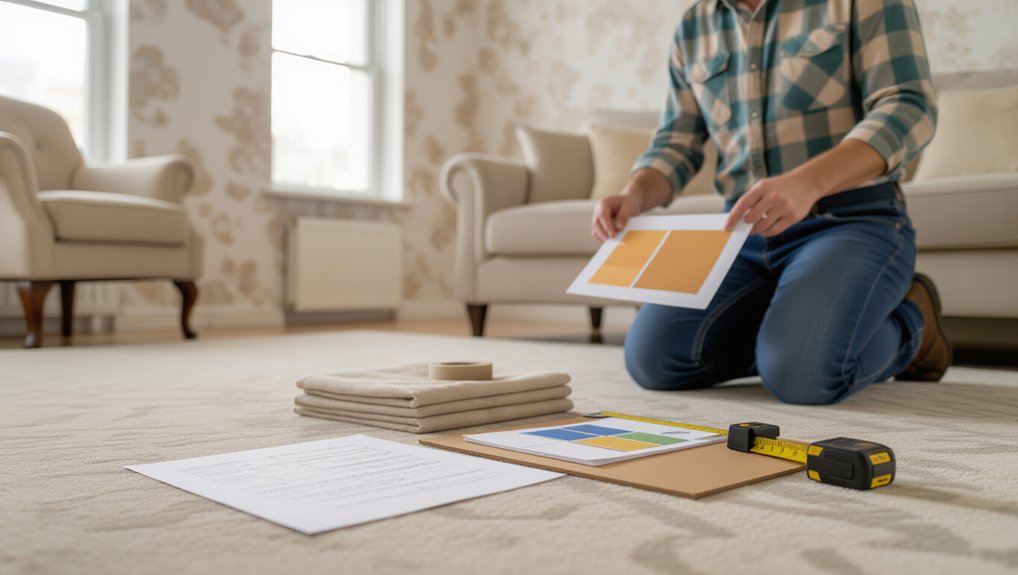
Before choosing finishes or hiring contractors, assess your home’s condition, layout, and priorities. Walk through each room and note what feels dated, what works well, and which changes matter most to you. Consider how you use the space, your preferred style, and the level of disruption you can manage.
Set a total budget that reflects your finances, not just design inspiration. Include estimates for materials, labor, delivery, and permits, then reserve 10 to 20 percent for unexpected costs. Get several written quotes and compare what each includes before committing.
Prioritize spending where it supports daily comfort, lasting quality, or home value. Choose finishes that strengthen aesthetic appeal without exceeding your limit. Track costs as decisions take shape, and adjust selections early if estimates rise.
This discipline keeps the transformation achievable and intentional.
Fix Problems and Improve the Layout
Once you’ve set your budget, address underlying problems before choosing cosmetic upgrades. Check for leaks, damp, damaged wiring, uneven floors, and poor insulation. Hire qualified professionals to assess serious concerns, then prioritize repairs that protect your property and prevent more costly damage. Confirm that walls or openings you plan to alter won’t affect structural supports or essential services.
Next, examine how you move through each room. Remove unnecessary partitions only when doing so improves light, circulation, or function. Use measured plans to test furniture placement, storage needs, and clear walking routes before committing to changes.
Built-in storage, sliding doors, and flexible furniture can support maximizing space efficiency, especially in compact rooms. When repairs require new finishes or materials, consider incorporating eco friendly materials with durable, low-emission options.
A sound, practical layout gives every later design decision a reliable foundation.
Update Dated Kitchens and Bathrooms
Kitchens and bathrooms often show their age first, but targeted updates can improve both function and appearance without a full renovation. Start by evaluating what works and what needs attention. Replace outdated appliances with efficient models that fit existing openings to limit installation costs.
If cabinets remain sturdy, refresh them with new doors, drawer fronts, or hardware instead of replacing the entire run. In bathrooms, repair leaks, renew worn seals, and update faucets, showerheads, or a vanity to improve daily use.
Vintage fixtures can add character, but check their condition and compatibility before keeping or restoring them. Choose durable, moisture-resistant products for high-use areas, and hire licensed tradespeople for electrical, plumbing, or gas work.
Prioritize upgrades that solve practical problems first; cosmetic changes can follow as your budget allows.
Coordinate Colors, Materials, and Lighting
A cohesive palette makes a property feel considered, even when rooms serve different purposes. Start with the home’s fixed features, such as flooring, counters, and tile, then choose Color palettes that complement rather than compete with them.
Limit dominant hues to a few, and repeat each selectively to create continuity without making every room identical. Test paint samples in morning, afternoon, and evening light; undertones can shift noticeably across the day.
Coordinate materials by balancing texture and reflectivity. Pair matte finishes with a restrained gloss, and mix natural surfaces with durable, easy-care options suited to each room’s use.
Plan Lighting techniques around function and atmosphere: layer ambient, task, and accent sources, and choose warm or cool bulbs to support the palette. Check color rendering before committing, so finishes look consistent under artificial light.
Choose Furniture and Finishing Touches
Choose furniture that fits each room’s scale and supports how you’ll use it. Measure doorways, walls, and circulation paths before you buy, then select pieces that leave clear routes through the space. Prioritize durable, comfortable seating and storage suited to your household or property’s needs.
A consistent furniture profile helps rooms feel connected without making them identical.
Finish with a few carefully chosen details. Layer Accent pillows in complementary colors and textures to refresh sofas without replacing them. Use decorative rugs to define seating zones, soften hard floors, and reinforce the palette established through paint, materials, and lighting.
Check each rug’s size: front furniture legs should rest on it, where practical. Add task lighting, artwork, mirrors, and functional accessories selectively. Step back, remove anything that competes for attention, and keep surfaces uncluttered so your design feels intentional and easy to maintain.
Conclusion
A dated interior doesn’t become designer-worthy overnight, but every thoughtful decision moves you closer. Start with a clear assessment and budget, fix what’s hidden before polishing what’s seen, and let better layouts, durable finishes, and layered lighting do the heavy lifting. Choose pieces that suit your rooms and your life, then add personal details that make the space feel like home. Treat the transformation as a journey, not a sprint, and your property will shine with lasting style.