
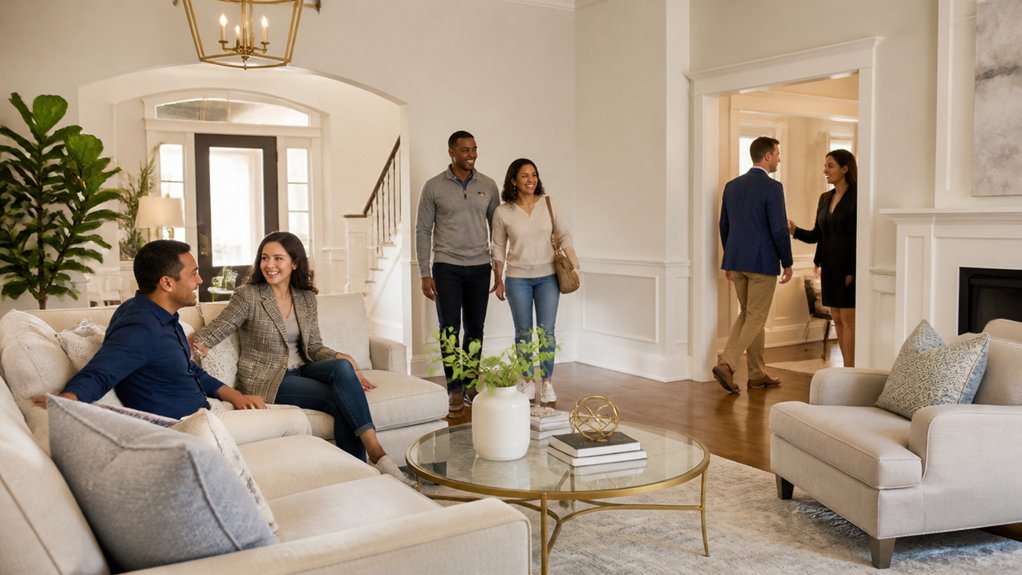

Choosing between an open house and private showings affects who sees your home, how buyers experience it, and how much control you keep over the process. An open house can broaden your reach, while private appointments may give serious buyers more time and attention. The right approach depends on your home, local market, and priorities—and the trade-offs aren’t always obvious.
Open House vs. Private Showing: Main Trade-Offs
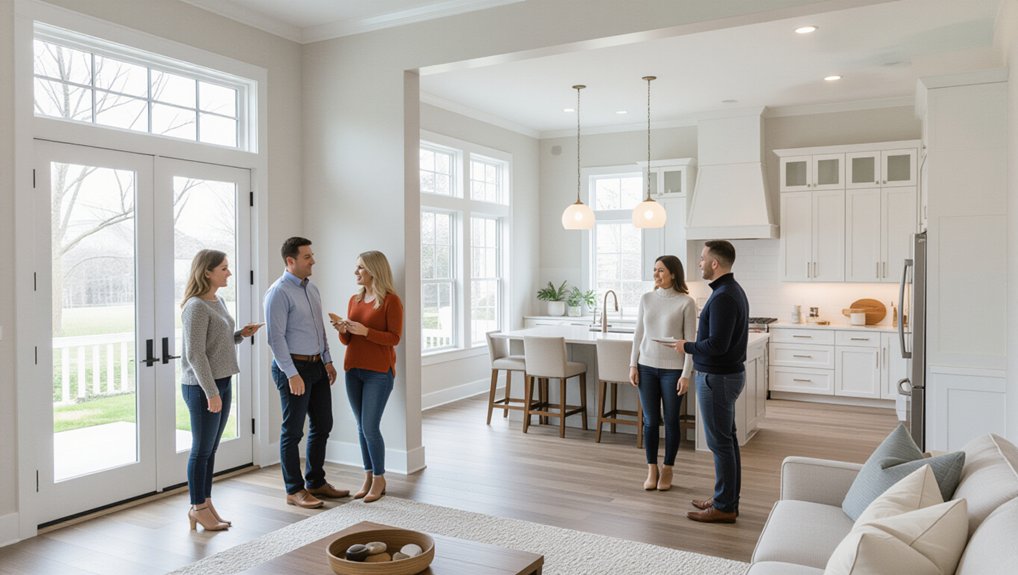
Choosing between an open house and a private showing comes down to reach versus control. An open house lets you welcome visitors during a set window, but you’ll need to prepare your home and accommodate foot traffic.
A private showing gives you more control over timing and who enters, though coordinating appointments can take extra effort.
Consider your schedule, comfort with visitors, and tolerance for disruption. Seller preferences matter: you may value a predictable appointment more than a single event, or prefer one concentrated period of activity.
Neighborhood impact also deserves attention. An open house can increase parking and pedestrian traffic; private appointments spread visits across the week.
Neither option guarantees an offer. Weigh the practical costs and benefits, then choose the format that fits your priorities and your home’s circumstances.
How Open Houses Reach More Buyers
An open house can reach buyers who haven’t scheduled a private tour, including people already viewing nearby homes. You can also attract neighbors who know someone looking to buy and may share the listing. This broader access works best when you promote the event clearly and early.
Use practical Marketing strategies: post the time and address on listing platforms, share the announcement on social media, and ask your agent to contact local buyer representatives. Visible signs can guide nearby shoppers to the property, while accurate photos and details help visitors decide whether it fits their needs.
Community engagement can extend your reach beyond active house hunters. Neighbors may spread the word or attend out of curiosity, increasing exposure.
Track visitor feedback and questions so you can assess interest and refine your listing’s presentation afterward.
Why Private Showings Offer More Flexibility
With a private showing, you can schedule a visit around your availability and spend more time exploring the home. You can coordinate with your agent to choose a time that suits your work hours, family routines, or travel plans.
This one-on-one format also lets you adjust the pace: focus on rooms that matter most, revisit details, and ask questions without competing for an agent’s attention.
If you can’t attend in person, Virtual tours can help you preview the property and decide whether to book a visit.
You can also prepare the home for each appointment, using Staging techniques that suit the expected visitor or time of day.
This control helps you manage access, maintain privacy, and present the home consistently while accommodating different schedules.
Which Showing Gets Better Feedback and Offers?
The showing format can affect the quality of feedback and the offers a home attracts. At an open house, you may hear broad impressions from several visitors, but comments can be brief and less specific.
A private showing gives buyers more time to examine details and ask questions, so you may receive clearer feedback through their agents. Neither format guarantees an offer; price, condition, and buyer demand matter more.
Ask your agent to collect comments promptly and look for recurring concerns, such as layout or needed repairs. Virtual tours can help buyers assess the home before visiting, while agent availability may influence how easily they arrange a showing.
Treat feedback as useful evidence, not a verdict: weigh repeated observations against market data, then discuss practical adjustments with your agent before changing your price or presentation.
Which Showing Strategy Fits Your Home?
Your home’s type and local buyer demand can help determine whether an open house or private showings make more sense. Consider how quickly buyers are searching and whether broad access could improve exposure.
Weigh that against your timing and privacy needs before choosing a strategy.
Home Type and Buyer Demand
A home’s type and likely buyer pool can help determine whether an open house or private showings are more effective. Your property’s features and local demand can guide the choice.
An open house may suit a home that appeals to a broad range of buyers, such as a well-priced family house in a popular area. It lets several prospects view the property in one visit and compare its layout with their needs. Check Neighborhood trends to see whether similar homes attract strong walk-in interest.
Private showings can work better for distinctive properties, such as a rural home, luxury residence, or one with specialized features. You can give each buyer focused attention and explain details that mightn’t be obvious during a group visit.
Consider Market fluctuations, too: when buyer demand shifts, ask your agent which format is drawing qualified prospects for comparable homes.
Timing and Privacy Needs
Beyond buyer demand, consider how much flexibility and privacy you need. An open house concentrates visits into a set window, which can reduce repeated disruptions to your schedule. You’ll need to leave during the event and secure valuables, personal documents, and medications.
This format may suit you if you can prepare once and welcome several buyers at the same time.
Private showings let you choose appointment times and limit access to scheduled visitors, offering more control over your home’s exposure. However, frequent requests can interrupt work, family routines, or pet care. Ask your agent to group appointments when possible.
Virtual tours can help buyers assess the layout before booking, reducing unnecessary visits.
Tailor Staging strategies to each format: keep rooms consistently ready for private appointments, or create a polished, inviting flow for an open house.
Combine Open Houses and Private Showings
Combining an open house with private showings can help you reach more buyers while giving interested prospects a closer look. An open house can build Neighborhood visibility and attract shoppers who haven’t scheduled a tour.
Private appointments let serious buyers examine the home at a convenient time and ask focused questions.
Plan both formats around your schedule and privacy needs. Ask your agent to group showings when possible, secure valuables, and set clear rules for access.
Agent coordination matters: your agent can track visitor feedback, follow up with promising prospects, and avoid scheduling conflicts.
After the open house, offer private tours to buyers who want more time or couldn’t attend. This approach broadens exposure without relying on one event, while giving qualified buyers a more personal opportunity to assess the property.
Conclusion
Choose the showing strategy that fits your home, schedule, and local market. An open house can introduce your property to many buyers at once, while private showings give serious prospects more time and let you control access. For perspective, the National Association of Realtors reports that 43% of buyers found the home they purchased online, highlighting why broad exposure matters. You don’t have to choose just one: combine open houses with private appointments to reach more buyers and gather useful feedback.