
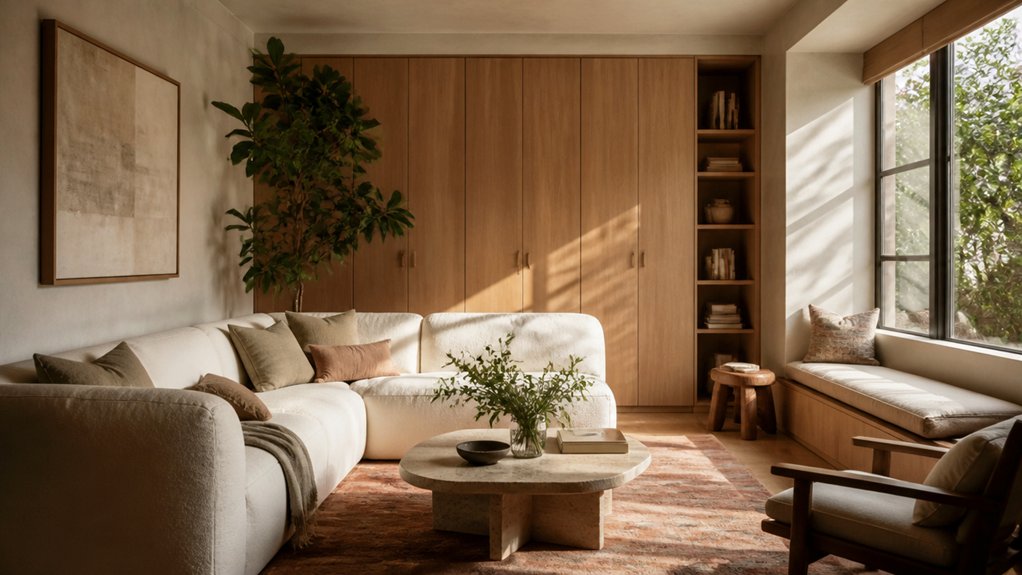

Like Daedalus reshaping a labyrinth, you can redesign your home to make daily life feel more direct and deliberate. The right changes don’t just refresh a room; they improve how you cook, gather, work, rest, and move through each routine. When you align layout, storage, lighting, and personal style with your needs, even familiar spaces can work in surprising ways. The transformation often begins with one room—but its effects rarely stop there.
Kitchen Redesigns for Easier Cooking and Storage
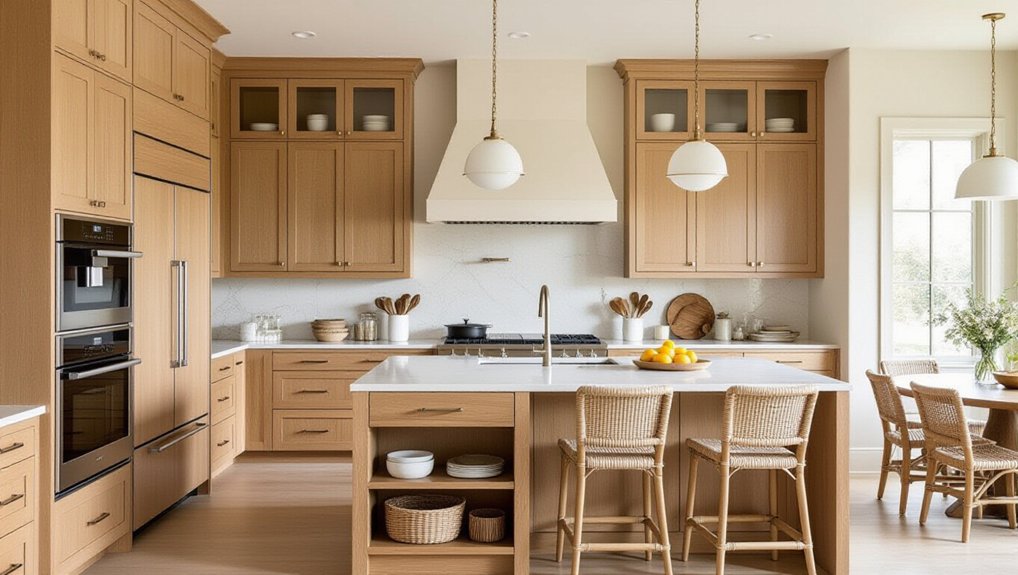
A well-planned kitchen redesign can make cooking smoother and storage more intuitive by aligning the layout with how you use the space. Start by mapping your routines: place preparation surfaces near the sink, keep cookware beside the range, and position frequently used ingredients within easy reach. This reduces unnecessary steps and helps you work efficiently.
Choose cabinets that use vertical space, with pullout shelves and deep drawers that keep contents visible. Smart appliances can streamline repetitive tasks, but select models that fit your habits rather than adding features you won’t use.
Durable, eco-friendly materials, such as recycled countertops or responsibly sourced wood, can lower environmental impact without sacrificing performance. Finally, layer task lighting over work zones and preserve clear pathways. A kitchen that supports your routines will feel more organized every day.
Living Room Transformations for Gathering and Relaxing
A well-designed living room supports both conversation and quiet, so you’ll want seating that adapts to how you gather.
Arrange flexible pieces to bring people together without blocking movement or sacrificing comfort.
Layer warm lighting and tactile textures to make the space feel inviting throughout the day.
Flexible Seating Arrangements
How can one living room support both lively gatherings and quiet evenings? Flexible seating lets you change the room’s social structure without a full redesign. Start with modular furniture: movable pieces can form a conversational circle for guests, then separate into smaller groupings for reading or conversation.
Choose seats that are easy to shift, and keep pathways clear so rearrangement doesn’t disrupt circulation. A compact ottoman can serve as extra seating, a footrest, or a temporary surface, while lightweight chairs can move where people need them.
Define multi purpose zones through furniture placement rather than fixed boundaries: a sofa can anchor the gathering area, while a chair angled nearby creates a quieter retreat. When each piece has a clear role and can adapt, you’ll make the room feel purposeful in both modes.
Cozy Lighting and Textures
Once the seating adapts to the occasion, lighting and texture can shift the room’s mood just as effectively. Layered light gives you control: dimmable overhead fixtures provide practical brightness, while table lamps and wall lights create a softer ambient ambiance for conversation or unwinding.
Choose warm bulbs to make skin tones and wood finishes feel inviting, but preserve enough contrast to keep the room clear, not gloomy.
Texture adds comfort without requiring more furniture. A wool throw, linen cushions, and a nubby rug introduce tactile textures that soften hard surfaces and absorb sound. Balance these materials with smooth wood or metal so the space feels composed rather than crowded.
When you coordinate light placement with varied finishes, you’ll make the living room welcoming for gatherings and restful for quieter evenings.
Home Office Updates for Better Focus and Workflow
Your home office should support sustained attention, not compete for it. Choose layered, adjustable lighting to reduce glare and eye strain.
Then arrange your desk so essential tools stay within reach and distractions stay out of view. These focused updates can make your workflow smoother and your workday more productive.
Focus-Friendly Lighting
Because poor lighting strains your eyes and disrupts concentration, a well-lit home office is essential to steady, efficient work. Start with an ambient glow from ceiling fixtures or a shaded floor lamp; this soft, even light reduces harsh contrasts without competing with your screen.
Then add task illumination at your work surface, positioning an adjustable desk lamp to brighten notes and materials while keeping glare off displays. Choose bulbs with a comfortable, consistent color temperature, and check how daylight shifts across the room.
You’ll avoid eye fatigue by balancing natural and artificial light rather than relying on one source. Dimmers let you adapt brightness to changing conditions and tasks.
With layered, controlled lighting, you can sustain attention, read accurately, and work comfortably through the day.
Streamlined Desk Layout
A streamlined desk layout reduces visual clutter and makes essential tools easier to reach, helping you move through tasks with fewer interruptions. Place your monitor directly ahead, keep frequently used items within easy reach, and reserve the main work surface for active tasks. This arrangement limits unnecessary movement and helps you sustain attention.
Treat clutter management as an ongoing system, not a one-time cleanup. Use drawers, trays, or vertical storage to give supplies designated homes, and clear the desk at day’s end.
Choose ergonomic accessories, such as an adjustable monitor stand and a supportive keyboard, to align your setup with your body. A comfortable, organized workstation can reduce physical strain while improving workflow.
Review the layout as your responsibilities change; keep what supports your routine and remove what competes for attention.
Bedroom Redesigns for Deeper, More Restful Sleep
When a bedroom supports your body’s natural rhythms, better sleep becomes easier to achieve. Start by controlling light: blackout curtains reduce early-morning glare and help your brain maintain a consistent sleep schedule. Choose warm, dimmable bedside lighting so evening routines signal rest rather than alertness.
Your mattress and pillows should support your preferred sleeping position; discomfort can fragment sleep even in a beautifully styled room. Dreamy headboards can soften the room’s visual character, but prioritize materials and proportions that don’t crowd your bed.
Keep pathways clear and limit visible clutter, which can make the space feel mentally busy. Use breathable bedding suited to the season, and maintain a cool, steady temperature. These choices work together: thoughtful design doesn’t guarantee sleep, but it removes common barriers, making your bedroom a more reliable place to unwind and recover.
Bathroom Makeovers for Smoother Daily Routines
A well-planned bathroom makes daily routines faster and more comfortable by putting essentials within easy reach and reducing bottlenecks. You can improve the layout by separating busy zones, adding storage near the sink, and choosing drawers that reveal contents at a glance. A clear counter saves time, while well-positioned lighting helps you shave, apply makeup, or check details without strain.
Spa inspired fixtures can make ordinary tasks feel more restorative, but prioritize reliable controls and easy cleaning over looks alone. Choose Eco friendly materials, such as durable recycled tile or low-flow fittings, to reduce resource use without sacrificing performance.
A walk-in shower, slip-resistant flooring, and accessible towel hooks also support safe, effortless movement. When each choice addresses a real need, your bathroom works harder and feels calmer every day.
Whole-Home Design That Connects Every Room
How can a home feel cohesive without making every room look the same? You create continuity through deliberate relationships, not repetition. Choose Color palettes that share a few anchor hues, then vary their proportions, tones, and finishes to suit each room’s purpose. A muted green might connect your kitchen cabinetry to a living room textile without making either space feel copied.
Materials offer another useful thread. Repeat wood tones, metal finishes, or tactile fabrics selectively, so progression feels considered rather than formulaic. Art displays can link rooms through recurring themes, framing, or color, while each collection still reflects the space around it.
Pay attention to sightlines, too: what you see from one doorway should complement the next room. When you coordinate these elements, your home gains a clear identity and each room keeps its own character.
Conclusion
The best interior design transformations don’t simply change how a home looks; they reshape how each day unfolds. A kitchen becomes a well-organized workshop, a living room a welcoming hearth, and a home office a clear path to focused work. Restful bedrooms and efficient bathrooms smooth the hours between. When every room connects like notes in a thoughtful score, you gain more than visual harmony—you create a home that supports your routines, reflects your priorities, and makes everyday living feel more intentional.