


You’ll compare asking prices, estimate monthly payments, and plan for the costs that don’t appear in a listing. Inspections, closing fees, moving expenses, utility deposits, and immediate repairs can add thousands to your budget, while taxes and insurance may keep changing after you move in. Before you make an offer, find out which expenses are due upfront—and which can catch you off guard later.
What Hidden Homebuying Costs Come First?

Before you get the keys, you’ll usually pay several upfront costs beyond your down payment. Start with earnest money, which you’ll submit after the seller accepts your offer. This deposit shows commitment and typically goes toward your closing costs or down payment later.
You may also pay for a mortgage application, credit report, and rate lock, depending on your lender. Mortgage pre-approval can help you compare financing options early, but ask about fees before you apply.
During neighborhood research, budget for moving expenses, utility deposits, and any homeowners association fees due at closing.
Your lender will provide a Loan Estimate outlining expected charges, so review it closely and ask questions about unfamiliar items.
Keep cash available for these early expenses; don’t assume your down payment covers every cost before move-in.
How Much Do Inspections and Appraisals Cost?
You’ll typically pay a few hundred dollars for a home inspection, with the price varying by property size and location.
Your lender may require an appraisal, which often costs several hundred dollars.
Budget extra for specialized tests, such as radon, pests, or sewer lines.
Home Inspection Fees
Home inspections and appraisals are separate costs to budget for when buying a home. A Home inspection typically costs $300 to $500, though you may pay more for a large, older, or unusually complex property. Your location and the inspector’s experience also affect the fee.
You’ll usually pay the inspector directly, often before or at the appointment, so confirm payment terms when booking.
Inspection costs may cover a standard visual review of major systems, including the roof, foundation, plumbing, electrical, and heating and cooling. They generally don’t include specialized tests.
If the inspector spots possible mold, pests, radon, or structural concerns, you may need to hire another professional and pay an additional fee. Ask what the inspection includes, whether you can attend, and when you’ll receive the written report.
Budget for follow-up evaluations before closing.
Appraisal Costs
An appraisal is separate from a home inspection and typically costs $300 to $600, though fees vary by location, property type, and complexity. Your lender usually orders the appraisal to confirm the home’s market value before approving your mortgage.
You may pay the fee upfront or at closing, depending on the lender and loan terms.
During the appraisal process, a licensed appraiser reviews the property’s size, condition, features, and recent sales of comparable homes. The appraiser may visit the home, take measurements, and prepare a written report.
If the value comes in below your offer, your lender may reduce the loan amount. You could then negotiate a lower price, challenge the report with supporting sales data, or cover the difference yourself.
Ask your lender when payment is due and whether the fee is refundable.
Additional Testing Expenses
Beyond the standard inspection and appraisal, you may need specialized tests to check for issues such as radon, pests, mold, lead, or septic-system problems. These tests usually cost $100 to $1,000 or more, depending on the property, location, and test type.
A radon test may run $150 to $300; a pest inspection often costs $75 to $200. Mold, lead, and septic evaluations can cost more, especially when labs or follow-up inspections are needed.
Ask your inspector which tests your home’s age, location, and features warrant. Your lender, insurer, or local rules may also require specific assessments.
Get written quotes before scheduling, and clarify whether the price includes sampling, lab fees, and a report. Testing adds upfront costs, but it can reveal unexpected expenses and maintenance surprises before closing, giving you time to negotiate repairs or reconsider the purchase.
What Closing Costs Should You Budget For?
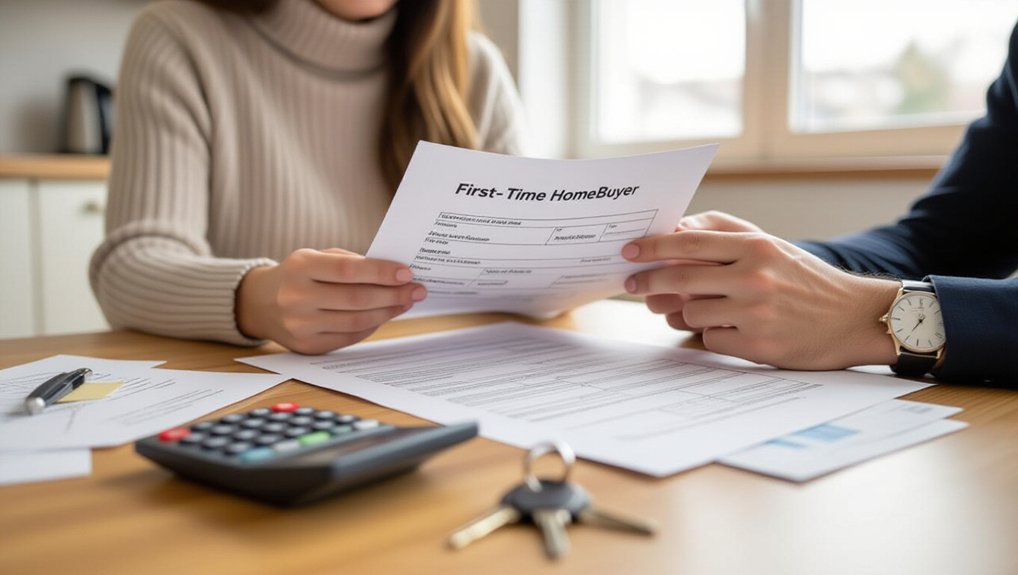
As you prepare to close, budget for lender fees, which may include underwriting and loan processing charges.
You’ll also pay title and escrow fees for services that verify ownership and manage the transaction.
Add prepaid property taxes and homeowners insurance, which your lender may collect at closing.
Lender Fees
Lender fees can add hundreds or even thousands of dollars to your closing costs, so review your Loan Estimate carefully. These mortgage costs may include an application fee, loan origination charge, underwriting fee, credit report fee, and appraisal fee.
Each lender sets its own charges, so compare estimates from multiple lenders—not just their interest rates. Ask what each fee covers and whether the lender can reduce or waive it.
Some charges are fixed; others may depend on your loan amount or application. Check the Loan Estimate’s “Loan Costs” section and confirm that quoted amounts match your final Closing Disclosure.
If a fee changes unexpectedly, ask for an explanation before closing. Budget for required services, but don’t assume every listed charge is negotiable or unavoidable; request itemized details and compare options.
Title And Escrow
When you buy a home, title and escrow charges cover the work needed to verify ownership, protect against certain title problems, and manage the closing. Title and escrow fees may include a title search, document preparation, settlement services, recording, and wire handling. Ask your closing agent for an itemized estimate; charges and who pays them vary by location and contract.
You’ll also need to think about title insurance. A lender’s policy typically protects the lender, while an owner’s policy can protect your investment against covered claims, such as an undisclosed lien or ownership dispute. Your state’s rules and the property’s history affect the cost.
Compare providers where permitted, and confirm whether the quote includes both policies, endorsements, and search fees. Review your closing disclosure before signing, and question unfamiliar charges promptly.
Prepaid Taxes And Insurance
Plan for two common prepaids at closing: property taxes and homeowners insurance. Your lender may collect several months of property taxes upfront to fund your escrow account, which pays future tax bills. The amount depends on your closing date, local tax schedule, and how much the seller has already paid. These Prepaid taxes aren’t an extra fee; they’re an advance payment.
You’ll typically pay your first year of homeowners insurance before closing. Your lender may also collect a few months of insurance premiums for escrow, so it can pay renewal bills on time.
Ask your lender for an itemized estimate showing each prepaid, the coverage period, and the escrow cushion. Check the figures against your insurer’s quote and local tax records. Budget for these charges alongside other closing costs, and confirm final amounts before signing.
How Much Do Moving and Setup Costs Add?
Moving into a new home can add hundreds or even thousands of dollars to your upfront costs, beyond the down payment and closing fees. Your moving expenses depend on distance, home size, and whether you hire professionals.
Get quotes from several movers, and ask whether packing, fuel, stairs, or bulky items cost extra. Renting a truck and moving yourself may save money, but include fuel, equipment, and time off work in your budget.
Setup costs can also add up quickly. You may need to pay deposits or connection fees for electricity, gas, water, internet, and trash service.
Budget for essential household items, such as curtains, light bulbs, cleaning supplies, and basic tools. Transfer or start services before move-in, and check for installation fees.
A detailed checklist helps you avoid last-minute purchases and keep your first-month spending manageable.
What Repairs Might You Need Right Away?

Even a home that passes inspection may need repairs soon after you move in. An inspection captures a home’s condition on one day, and some problems stay hidden behind walls, under flooring, or in aging equipment. Set aside money for urgent fixes rather than spending your entire budget at closing.
Check the roof, plumbing, electrical system, heating and cooling equipment, and foundation for signs of leaks, unsafe wiring, poor drainage, or unusual noises. Ask the inspector which issues need prompt attention and get written estimates from qualified contractors before you commit to major work.
You may also face renovation surprises when you open walls or replace worn finishes. Budget for appliance replacements if the refrigerator, range, washer, or water heater is near the end of its useful life. Keep a contingency fund for unexpected repairs.
How Much Will Home Insurance and Taxes Cost?
Your monthly housing costs will include more than your mortgage payment: homeowners insurance and property taxes can add hundreds of dollars. Get quotes before you make an offer, since insurers consider your home’s age, construction, location, claims history, and coverage limits.
Home security features, such as monitored alarms, may qualify you for a discount, but ask the insurer rather than assuming. Compare deductibles and exclusions, especially for floods or earthquakes, which standard policies often don’t cover.
Property taxes depend on your home’s assessed value and local tax rates. Check the current bill, but don’t assume it’ll stay the same: reassessment after a sale can raise your payment. Ask the assessor or lender for an estimate, and budget for increases.
Landscaping expenses may affect assessed value if improvements trigger reassessment; verify local rules before planning major changes.
What Other Homeownership Costs Should You Expect?
Beyond insurance and taxes, budget for utilities, routine maintenance, and repairs. Your monthly bills may include electricity, gas, water, sewer, trash collection, and internet. Costs vary with your home’s size, age, climate, and local rates, so review recent bills before you buy.
Home maintenance covers predictable tasks such as servicing heating and cooling equipment, cleaning gutters, and replacing filters. You’ll also face less predictable repairs: a leaking roof, failed water heater, or damaged appliance can require prompt spending. Ask about the age and condition of major systems, and note any work the inspection recommends.
Consider property depreciation, too. Wear, outdated features, or declining neighborhood demand can reduce resale value, even as you maintain the home.
You may also pay for landscaping, pest control, security, or homeowners association fees. These recurring and occasional expenses can change your true cost of ownership.
How Can You Budget for Hidden Homebuying Costs?
To budget for hidden homebuying costs, estimate one-time expenses—such as inspections, closing fees, moving, and immediate repairs—alongside recurring bills.
Get written quotes where possible, and add a contingency for unexpected work. Then total your monthly mortgage, property taxes, insurance, utilities, and any homeowners association fees to see what you can comfortably afford.
Set aside a separate reserve for home maintenance, including routine servicing and larger repairs, such as roof or appliance replacement. A dedicated savings account can help you avoid relying on credit when something breaks.
If you’ll use property management for a rental or second home, include its fees and likely vacancy periods in your projections.
Review your estimates before making an offer, and update them after inspections. Keep enough cash after closing to cover immediate needs and emergencies.
Conclusion
The listing price is only the beginning. You’ll pay for inspections, closing, moving, setup, repairs, insurance, taxes, and upkeep—and each cost can affect your budget. Before you buy, get estimates, review your loan documents, and ask about likely tax or insurance changes. Set aside a separate cash cushion for surprises. When you plan for what you’ll inspect, what you’ll pay, and what you’ll maintain, you’ll protect your savings and settle into your new home with greater confidence.