
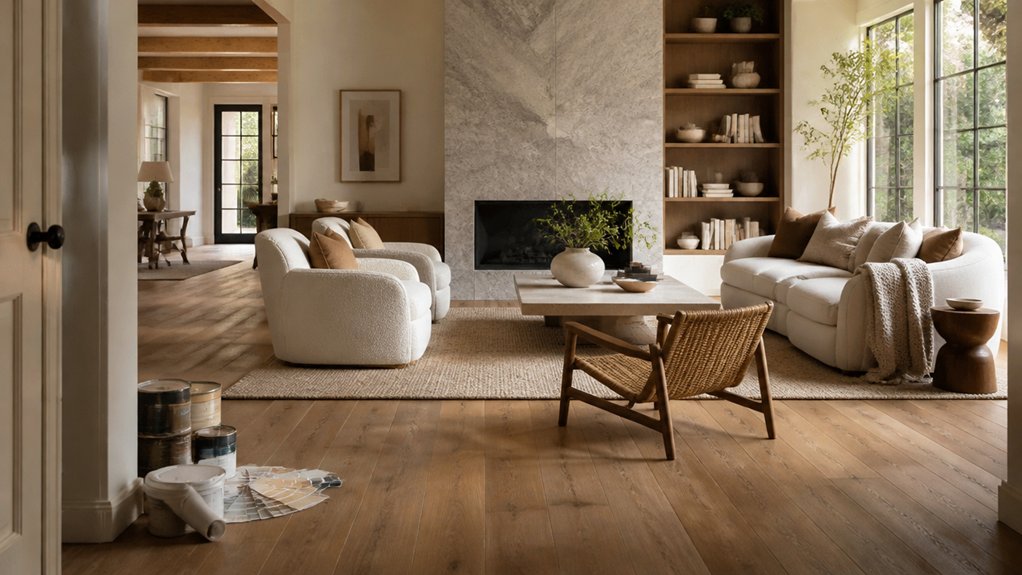

A well-planned renovation can recoup a substantial share of its cost at resale, but the return depends on more than new finishes. To turn an ordinary property into a showpiece, you’ll need to set clear priorities, control your budget, and improve how each space looks and works. The strongest results come from choices that balance durability with character—and one common planning mistake can undermine the entire makeover.
Choose Your Home’s Style and Priorities
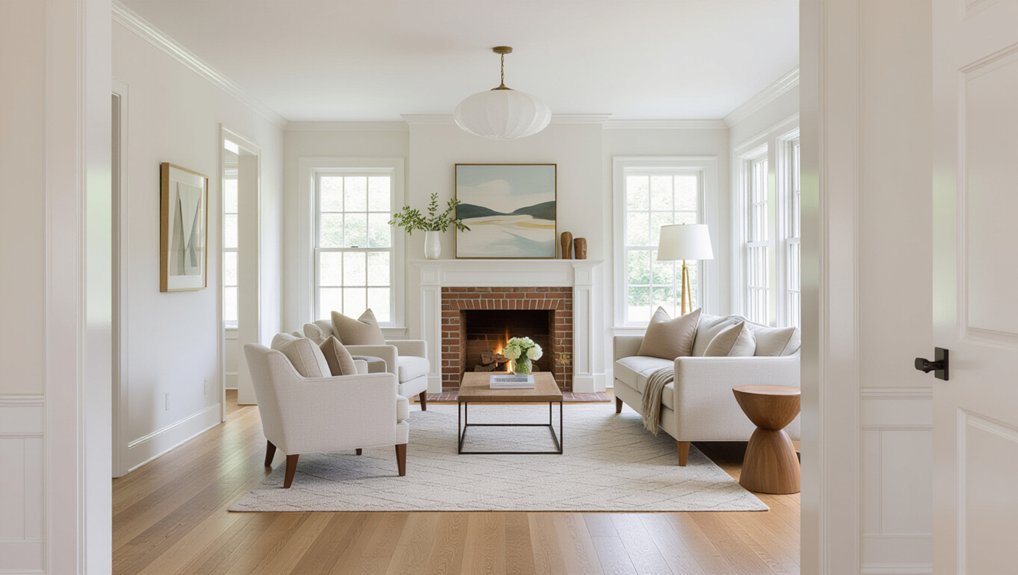
Before selecting finishes or changing floor plans, decide what you want your home to look and feel like—and which needs matter most. Identify the qualities you value: calm, warmth, openness, or formality. Then assess how you use each room, where you need storage, and which areas create daily friction. These observations help you choose a coherent style rather than chase disconnected trends.
Consider the property as a whole. Its architecture, natural light, and setting should inform your choices, while feng shui principles can help you evaluate flow, balance, and how rooms support everyday routines.
Include outdoor landscaping in your vision; the entry, garden, and views shape the home’s first impression and connect indoor spaces to their surroundings.
Set clear priorities before making design decisions. Distinguish essential improvements from visual preferences, and let your needs guide the makeover’s direction.
Plan a Showpiece Makeover Around Your Budget
With your style and priorities defined, set a realistic budget before choosing materials or scheduling work. List each project, estimate costs for labor and materials, then add a contingency of 10 to 20 percent for hidden repairs or price changes. This reserve protects essential work without forcing rushed compromises.
Rank upgrades by impact and cost. Allocate funds first to repairs and durable finishes; then weigh visible investments such as garden landscaping, paint, and furniture selection.
Compare quotes from qualified contractors, checking what each includes rather than choosing solely by the lowest price. Research material lifespans and maintenance needs, since a cheaper option may cost more over time.
Track spending against your estimates as decisions change. If costs rise, reduce scope or phase lower-priority purchases instead of draining your contingency. A disciplined plan keeps your makeover cohesive, polished, and financially manageable.
Improve Layout, Lighting, and Daily Function
A showpiece home must work as well as it looks, so assess how you move through each room before choosing finishes or furniture. Map daily routines, identify bottlenecks, and prioritize clear paths between entrances, seating, storage, and work zones.
Thoughtful Furniture arrangement supports conversation and movement; measure key pieces before placing them, and preserve enough clearance for doors and walkways.
Layer ambient, task, and accent lighting to suit each activity. Use dimmers where you need flexibility, and position lamps to reduce glare and shadows.
Evaluate daylight at different times before deciding where to place desks or reading chairs. Coordinated Color schemes can clarify zones and create visual continuity, but test samples under both natural and artificial light.
These practical choices help you shape rooms that feel balanced, comfortable, and efficient throughout the day.
Refresh Surfaces for a Visible Upgrade
Once the layout works, refresh the surfaces that shape a room’s first impression. Assess floors, walls, counters, and trim for wear, discoloration, and inconsistent finishes. Prioritize repairs before cosmetic changes; a smooth, sound base helps new coatings last and look intentional.
Choose materials that suit each surface’s use, maintenance demands, and exposure to moisture or traffic. Fresh paint can unify rooms, while carefully selected wall textures add depth without making small spaces feel crowded.
For timber, stone, or tile, consider surface refinishing when the material remains structurally sound. Refinishing often costs less than replacement and preserves existing character, but poor preparation can undermine the result.
Test colors and finishes in changing light, then compare them with adjoining rooms. A consistent palette makes your upgrades feel deliberate and gives the property a cleaner, more polished appearance.
Add Focal Features That Give Your Home Character
Focal features give your home a clear visual identity and guide the eye through each room. Create a statement wall to establish a strong anchor. Then highlight architectural details that add depth and distinction.
A signature light fixture can complete the composition while improving the room’s function.
Create a Statement Wall
A well-designed statement wall gives a room a clear focal point and reveals more of your home’s character. Choose one surface that naturally draws attention, such as the wall behind a sofa or bed. Then decide what you want it to contribute: contrast, depth, or a stronger sense of personality.
Paint offers a direct way to establish impact. Select a shade that complements your existing color schemes, or use a deliberate contrast to define the area. Wallpaper, textured finishes, and carefully arranged wall art can also create visual interest.
Limit competing patterns and accessories; a statement wall works best when its main feature remains easy to read.
Before committing, assess the wall in different lighting and consider how its colors relate to nearby furnishings. A measured choice will feel intentional, not distracting, and help your room look more polished.
Highlight Architectural Details
Architectural details can give an ordinary room a distinctive sense of character when you bring them into focus. Start by evaluating the features your home already offers, such as ceiling beams, archways, built-in shelving, or deep window trim. A restrained paint contrast can define these elements without competing with your statement wall.
If the room lacks strong features, add details that suit its proportions and period. Ornate moldings can lend a formal room depth, while decorative corbels can frame a mantel or support a shelf. Choose materials and profiles that feel consistent with the home, and repeat them selectively to create cohesion.
Before adding anything, consider sightlines and scale: oversized trim can overwhelm a compact space, while subtle details may disappear in a large room. Careful emphasis makes architecture feel intentional, not merely decorative.
Add a Signature Light Fixture
Once architectural details establish a room’s character, a signature light fixture can give it a clear focal point. Choose a design that reinforces the home’s style without competing with its strongest features. In a dining room, a sculptural pendant can anchor the table; in an entry, a striking chandelier can establish the tone before guests move farther inside.
Effective Signature lighting balances visual impact with practical illumination. Consider ceiling height, room dimensions, and the fixture’s scale before you buy. Your fixture selection should also suit the existing finishes and provide the right light for daily use. Dimmers give you control, shifting the atmosphere from bright and functional to warm and intimate.
Check that installation meets electrical requirements, especially when replacing an older fixture. When you coordinate form, proportion, and performance, one deliberate choice can make an ordinary room feel considered and memorable.
Style Each Room and Check the Finished Home
With construction complete, style each room to reinforce the home’s character while serving its purpose. Start by defining each space’s function, then choose furnishings, lighting, and textiles that support it without obstructing circulation.
Repeat a restrained palette and consistent finishes to create cohesion, but vary texture and scale to keep rooms distinctive. Vintage accents can add history and contrast; place them where their craftsmanship remains visible, not crowded.
Choose Eco friendly materials for rugs, upholstery, and accessories when durability and maintenance suit your needs.
Finally, inspect the finished home systematically. Test switches, outlets, doors, windows, plumbing, and appliances; check paint, tile, and trim in daylight. Note defects, document them, and arrange corrections before you photograph or present the property.
A final walkthrough confirms both visual polish and everyday performance.
Conclusion
A showpiece home doesn’t come from spending without a plan; it grows from choices that serve your style, budget, and daily life. When you improve flow, refresh surfaces, and add a few well-chosen focal features, ordinary rooms begin to sing in harmony. Check every finish, test every fixture, and edit your styling with a critical eye. Then step back: you’ve turned a property into a polished, practical home that feels unmistakably yours.