
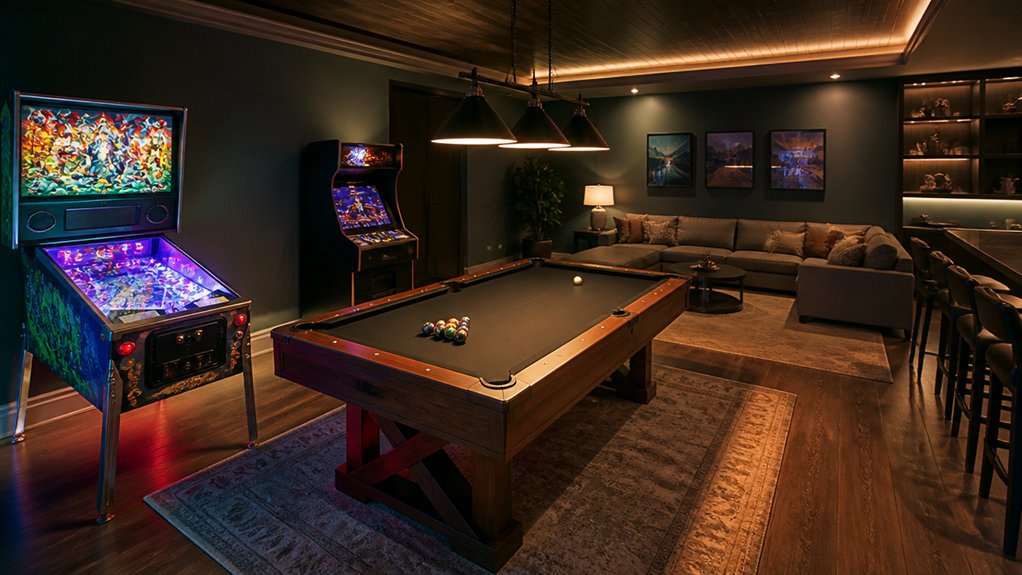

A well-planned games room can feel larger and work better without adding a single square foot. Start by matching the layout to how you play, then choose games, seating, storage, and lighting that support both activity and downtime. Thoughtful colour, safe cable management, and a practical spot for snacks can make the space easier to share. One common layout mistake can disrupt all of it—so plan around movement before you bring in the equipment.
Plan Your Games Room Around How You Play
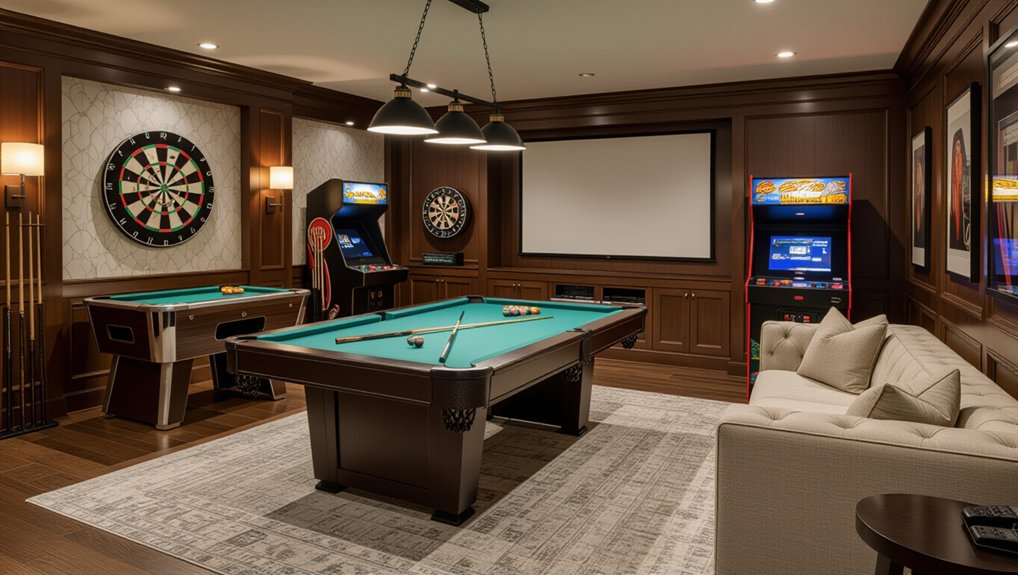
Before choosing furniture or equipment, decide how you’ll use your games room. List your favorite activities, such as console gaming, board games, billiards, or watching films. Note who’ll join you, how often you’ll host, and whether you need the room to serve other purposes. These answers will guide decisions about priorities, budget, and essential features.
Consider comfort and health from the start. Game room ergonomics matter when you spend hours seated: plan for supportive seating, suitable screen height, and lighting that reduces glare.
If you play instruments or use loud equipment, research soundproofing tips, such as sealing gaps and adding acoustic panels, to limit noise reaching other rooms.
Check electrical needs, ventilation, and available space before buying gear. Set a realistic budget, then rank purchases by importance. A clear plan helps you create a room that fits your habits without overspending.
Arrange Your Games Room for Easy Play
Once you’ve chosen your activities and equipment, arrange the room so each game is easy to start and enjoy. Keep clear paths between the entrance, seating, and play areas, and leave enough space to move comfortably. Place frequently used items within reach, but store accessories neatly to prevent clutter.
Position tables and chairs to support conversation without blocking movement or views. Plan game room lighting for each activity: use bright, even light for tabletop play and softer, adjustable fixtures for relaxed gatherings. Reduce glare on screens by placing lights away from reflective surfaces.
Use wall decoration ideas that add personality without crowding the room, such as framed prints or a simple display shelf. Secure decorations firmly, and keep fragile pieces away from active play zones. Test the layout before settling in.
Choose Games and Equipment for Every Age
With the layout in place, choose games and equipment that suit the ages, interests, and abilities of everyone who’ll use the room.
For younger children, include simple puzzles, building sets, and games with large, easy-to-handle pieces.
Older kids and adults may enjoy strategy challenges, table tennis, or a dartboard with age-appropriate safety features.
Classic board games offer screen-free options that bring different generations together; select a mix of quick, cooperative, and skill-based titles.
Video game setups can serve solo players and groups, so choose consoles and games with suitable ratings, accessible controls, and multiplayer options.
Add equipment that encourages movement, such as a mini basketball hoop, if the room has enough clearance.
Check age guidance and safety requirements before buying, and rotate activities to keep play engaging for everyone.
Add Comfortable Seating and Smart Storage
Choose seating that keeps you comfortable through long game sessions and fits your room’s layout.
Use shelves, cabinets, or storage benches to make the most of available space.
Keep controllers, games, and other essentials organized and easy to reach.
Choose Comfortable Seating
How can you keep game nights comfortable without cluttering the room? Start by matching seating to your activities and available floor space. Choose supportive chairs for focused gaming, then position them so every player can see the screen without twisting. Ergonomic cushions help you maintain good posture during long sessions, while Reclining sofas offer relaxed comfort for watching tournaments or playing casually.
Check seat depth, back support, and upholstery before you buy; durable, easy-to-clean fabric suits frequent use. Measure doorways and pathways, too, so your choices won’t block movement or make the room feel cramped. Arrange seats around the main play area, leaving enough legroom and clear sightlines.
If you host different group sizes, select flexible pieces you can reposition quickly. Comfort should support play, conversation, and easy movement throughout the room.
Maximize Smart Storage
To keep game equipment accessible without crowding the room, give every item a designated storage spot. Choose furniture that serves more than one purpose, such as benches with hidden compartments or ottomans that hold controllers, cards, and accessories. These pieces keep supplies close while preserving clear floor space for play.
Use modular shelving to adapt storage to your room’s layout and changing needs. Set lower shelves within easy reach for frequently used games, and reserve higher sections for equipment you use less often. Secure tall units to the wall, especially if children use the room.
In a small space, mount shelves above a desk or gaming station rather than adding bulky cabinets. Measure equipment before buying storage, and leave room for ventilation around consoles. With thoughtful placement, you’ll make the room feel open, comfortable, and ready for your next game.
Keep Essentials Organized
Once storage has a place in the room, keep everyday supplies sorted so game nights run smoothly. Group cards, controllers, dice, and chargers by activity, then assign each category a labeled bin or drawer. These Organizational systems help you find what you need quickly and return items without cluttering tables or walkways.
Choose Storage solutions that fit your room, such as shallow baskets beneath seating, a cabinet with adjustable shelves, or wall hooks for headsets. Keep frequently used essentials within easy reach, and store spare equipment higher or farther away.
Add a small tray beside comfortable seating for drinks, remotes, and current games. After each session, take a minute to reset the room: collect loose pieces, coil cables, and restock supplies.
Consistent habits protect equipment and make your games room ready for the next gathering.
Light Your Games Room for Play and Relaxing
Good lighting makes your games room comfortable for everything from focused play to relaxed conversation. Layer ambient lighting with task lights so you can adapt the room to each activity.
Use adjustable ceiling fixtures or dimmable lamps to soften the space for conversation, then brighten tables and game boards to reduce eye strain and help you see details clearly.
Position lights to limit glare on screens and reflective surfaces; indirect light often works best near televisions.
Choose bulbs with a consistent colour temperature throughout the room, and check that switches are easy to reach from your seating areas.
Add decorative accents with practical purpose, such as a small lamp beside a reading chair.
If you host late-night games, install efficient LEDs to keep energy use down and maintain reliable, even illumination.
Style Your Games Room With Colour and Character
Choose a colour palette that suits how you use your games room, then repeat its key shades in furnishings and accents.
Add personal character with artwork, memorabilia, or décor that reflects your interests.
Keep the choices cohesive, so your room feels distinctive without looking cluttered.
Choose a Colour Palette
A well-chosen colour palette can make your games room feel more inviting and cohesive. Start by considering the room’s size, natural light, and existing finishes. Neutral tones, such as warm grey, cream, or soft taupe, create a flexible backdrop and help smaller spaces feel open.
You can then introduce bold accents through a feature wall, painted cabinetry, or colourful furnishings. Choose two or three complementary colours, and repeat them in different areas to create a deliberate look.
If your games room serves several purposes, use colour to define zones without adding physical barriers. Test paint samples under both daylight and evening lighting before committing; shades can shift noticeably.
Keep the palette balanced, and you’ll create an energetic space that feels comfortable for play and relaxation.
Add Personal Character
Once your palette is set, add personal touches that make the games room feel like yours. Choose themed decor that reflects your favourite games, sports, films, or hobbies, but keep the look cohesive by repeating colours and materials. A framed poster, vintage sign, or display shelf can create a focal point without crowding the room.
Add personalized accessories, such as custom cushions, engraved game pieces, or a nameplate, to make the space distinctive and welcoming. Use open shelving to show off collectibles, and rotate items when you want a fresh feel.
Balance decorative pieces with practical needs: leave clear surfaces for play, protect valuable items from spills, and secure heavy wall art. Your choices should express your personality while keeping the room comfortable, organized, and ready for guests.
Make Room for Snacks, Screens, and Socialising
When you plan for snacks, screens, and conversation, your games room becomes more comfortable and sociable. Set up snack stations near the entrance or seating area, with a compact fridge, sturdy counter, and easy-to-clean surfaces. Keep drinks and food away from consoles and board games to prevent spills and damage.
Plan social zones around how you’ll use the room. Arrange comfortable seats so guests can talk without blocking walkways or views of the screen. For gaming, position the display at a comfortable height and reduce glare with adjustable lighting or curtains.
Add accessible power outlets and manage cables to keep the floor clear.
Choose furniture that suits your room’s size and activities. A flexible table can support snacks, cards, or controllers, while storage keeps supplies organised. You’ll create a welcoming space that works for both lively gatherings and relaxed evenings.
Conclusion
A great games room doesn’t need endless space or expensive equipment; it needs choices that suit how you play. Start with a flexible layout, comfortable seating, safe cable management, and lighting you can adjust for games or downtime. Then add personal touches and snacks to bring people together. The Entertainment Software Association reports that 190.6 million Americans play video games, showing how widely gaming connects people. Make your room work for your household, and you’ll create a space everyone wants to use.