
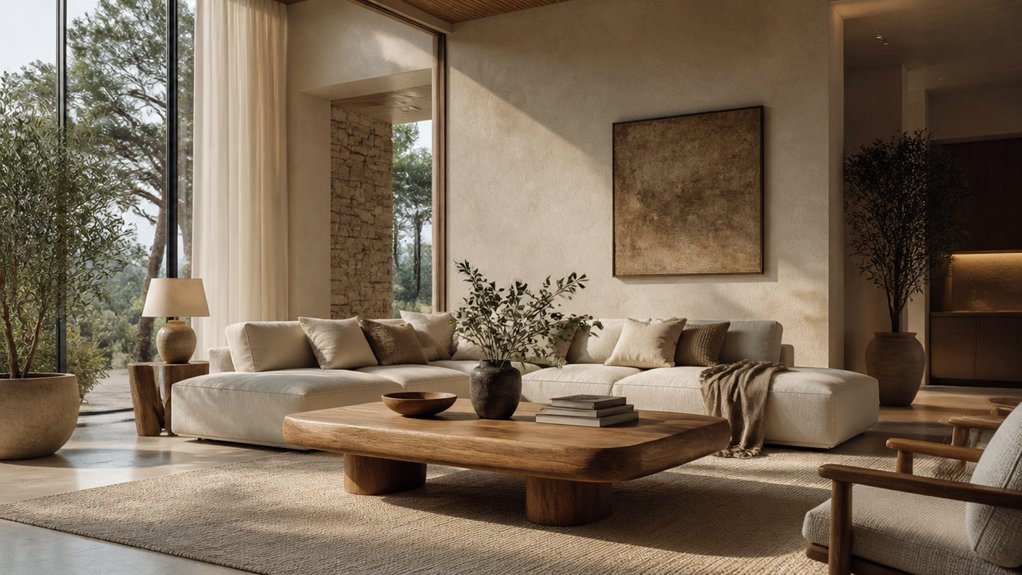

A successful home interior design project starts with the way you live, then shapes each room around comfort, function, and personal style. You can create a cohesive home with open layouts, warm colors, layered lighting, and textures that add depth without clutter. Smart storage and adaptable furniture keep daily routines simple while preserving a polished look. The most effective choices often come down to a few details that can transform an ordinary room—starting with how you use its space.
Whole-Home Interior Design Projects That Feel Comfortable
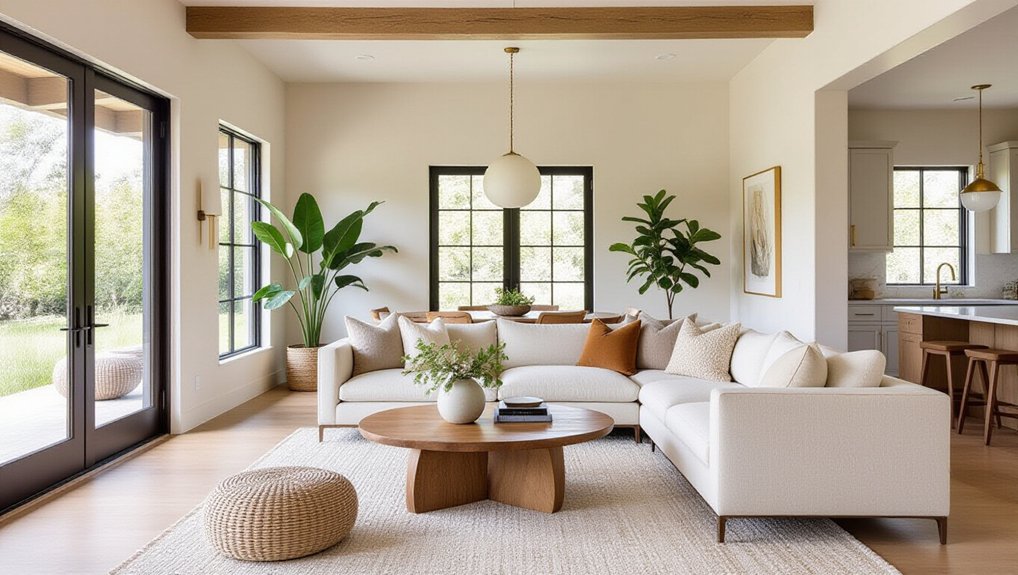
A comfortable whole-home design starts with how you live, not with a matching set of finishes. Notice where you relax, work, cook, and gather, then plan each room around those routines.
Choose ergonomic furniture that supports your posture and fits your body, rather than selecting pieces by appearance alone. Test seating, check table heights, and leave enough clearance to move comfortably between furnishings.
Use sustainable materials where they make sense, considering durability, maintenance, and indoor air quality alongside appearance. Natural fibers, responsibly sourced wood, and low-emission finishes can create a healthier, lasting foundation.
Coordinate colors and textures across rooms, but vary them to suit each space’s purpose. Layer task, ambient, and accent lighting so you can adjust the mood and visibility throughout the day.
Before buying, measure carefully and confirm that each choice supports comfort, function, and your budget.
Open Layouts for Easier Everyday Living
An open layout connects your kitchen, dining area, and living room so you can move easily between daily activities.
Clear sightlines help you keep an eye on family members and make shared spaces feel more spacious.
Use furniture and lighting to define each area without blocking the flow.
Connected Living Spaces
Connected living spaces remove unnecessary barriers between kitchens, dining areas, and living rooms, making daily routines feel more fluid. You can prepare meals while staying part of a conversation, supervise homework from the kitchen, or host guests without isolating anyone.
To make the arrangement work, define each zone with purposeful furniture, durable flooring, and layered lighting. A dining table can mark the shift between cooking and relaxing, while a rug can anchor the seating area.
Choose finishes that coordinate across the shared space, and plan storage to keep everyday items accessible without creating clutter. Smart technology, such as app-controlled lighting or thermostats, can simplify routines and reduce energy use.
Pair efficient appliances with sustainability practices, including low-impact materials and thoughtful ventilation, so your open layout supports comfort, function, and responsible living.
Clear Sightlines
Clear sightlines make open layouts easier to navigate and more comfortable to use. Arrange furniture to preserve visual corridors between the kitchen, dining area, and living room. You’ll move through your home more easily, keep an eye on children, and stay connected while completing different tasks.
Start by identifying the routes you use most, then keep those paths free of bulky furniture and clutter. Choose low-profile seating or open shelving where you want to maintain views without sacrificing function. Align doorways and key furnishings to draw the eye toward windows, artwork, or panoramic views.
Consistent flooring and a restrained color palette can also help spaces feel connected.
You don’t need to remove every boundary. Use rugs, lighting, or furniture placement to define zones while preserving clear views and comfortable circulation.
Home Interior Design With Layered Textures
How can you make a room feel inviting without adding clutter? Build interest through textural layers, choosing a few contrasting materials rather than filling every surface. Pair a smooth leather chair with a nubby wool throw, or set a matte ceramic lamp against a polished wood table. These tactile finishes give your eye and hands something to notice while keeping the room composed.
Start with larger elements, such as a woven rug or upholstered sofa, then add smaller accents in varied textures. Balance rough and refined surfaces, and repeat a material to connect separate areas. Keep sightlines clear by limiting bulky accessories and leaving some surfaces open.
Before buying, consider how each piece feels, wears, and fits your existing furnishings. Thoughtful texture adds depth and comfort without making your space feel crowded.
Warm Colors for a More Welcoming Home
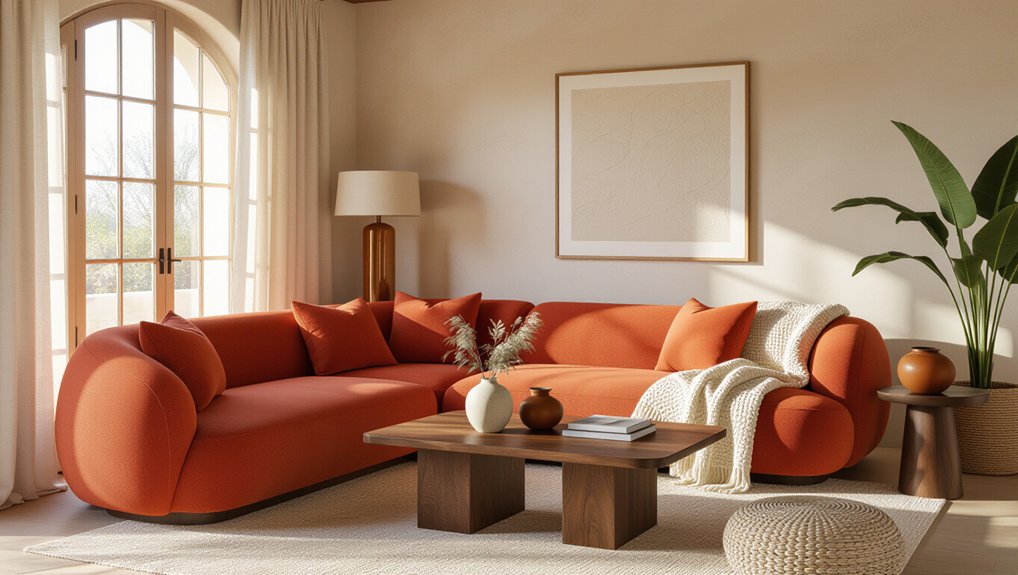
Texture adds depth, while warm color brings a room’s mood into focus. Use earthy reds, terracotta, ochre, and soft amber to make shared spaces feel inviting without overwhelming them.
Color psychology explains why these hues can suggest comfort and connection, but your response depends on their saturation and placement. Choose muted tones for larger surfaces, then introduce richer shades through cushions, art, or a painted alcove.
Balance warm colors with natural wood, stone, or quieter neutrals so the palette feels grounded rather than crowded. Consider how each room functions: a clay accent can enliven a dining area, while gentle apricot may soften a reading nook.
Test paint samples at different times of day before committing. Thoughtful choices support mood enhancement and help your home feel welcoming and distinctly yours.
Home Interior Design Lighting That Sets the Mood
Lighting can make the same room feel calm, lively, or intimate, so plan it around how you use the space. Start with ambient glow from ceiling fixtures, recessed lights, or wall sconces to provide even, comfortable illumination.
Then add task lighting where you read, cook, work, or get ready. Adjustable lamps and focused under-cabinet lights help you see clearly without flooding the whole room.
Give each layer its own switch or dimmer so you can change the mood throughout the day. Choose warm bulbs in living areas and brighter, cooler bulbs where precision matters.
Check how light falls on surfaces and avoid glare on screens or reflective finishes. Natural light also affects the result, so test your setup at different times.
A balanced plan makes your rooms practical and inviting.
Personal Details That Make a House Feel Like Home
Once your lighting feels right, personal details can make each room feel unmistakably yours. Choose Personal touches that reflect how you live, not just what’s trending. A favorite color on a cushion, handmade pottery on a table, or artwork from a local maker can give a space character without overwhelming its design. Repeat a few colors or materials to connect these choices with your existing palette.
Display sentimental items with intention. Frame a meaningful photograph, place a travel keepsake where you’ll notice it, or give a family heirloom a prominent spot. You don’t need to show everything at once; select pieces that carry a story and let them stand out.
Balance personal objects with open surfaces and considered arrangements. When each detail has a reason to be there, your rooms feel welcoming, cohesive, and genuinely connected to you.
Clever Storage for Beautiful, Practical Rooms
Built-in storage lets you use every inch efficiently while keeping your rooms uncluttered. Choose shelves, cabinets, and drawers that fit your layout and daily routines.
Stylish hidden organization keeps essentials within reach without disrupting your design.
Built-In Storage Solutions
How can you add storage without sacrificing a room’s style? Start by treating built-ins as part of the architecture, not furniture added later. Built-in shelving can frame a fireplace, fill an alcove, or turn an awkward wall into useful display and book storage. Match its finish to nearby trim for a cohesive look, or choose a contrasting color to make it a deliberate feature.
Plan each unit around what you’ll store. Measure books, baskets, electronics, and everyday items before setting shelf heights and depths. Add drawers or concealed compartments where you need to keep essentials accessible but out of sight.
In bedrooms, window seats with lift-up lids can provide extra capacity without taking more floor space. A skilled installer can ensure precise fit, durable hardware, and a polished finish.
Stylish Hidden Organization
Stylish hidden organization keeps daily essentials within reach while preserving a calm, uncluttered look. You can achieve this balance by matching storage to your routines and room layout.
Use concealed shelving behind cabinet fronts or within wall niches to store books, dishes, and devices without interrupting clean lines. Add hidden compartments beneath benches, inside stair risers, or behind mirrors for smaller items you want nearby but out of sight.
Choose durable hardware and smooth-opening mechanisms so concealed storage remains convenient, not frustrating. Measure belongings before planning compartments, and reserve accessible spaces for items you use often.
In kitchens, shallow drawers can organize utensils; in living rooms, lift-top tables can hide remotes and chargers. Keep each zone purposeful, and label private storage discreetly when needed.
Thoughtful placement lets you maintain order without sacrificing comfort, character, or usable floor space.
Living Room, Kitchen, and Bedroom Design Ideas
Thoughtful design can make your living room, kitchen, and bedroom more comfortable and functional without sacrificing style. Start with your routines, then choose layouts that support them.
In the living room, arrange seating for conversation and clear pathways; add layered lighting and artistic accents to give the space character. Coordinate color palettes across adjoining rooms, using varied tones to create continuity without making every space look identical.
In your kitchen, prioritize efficient work zones, durable surfaces, and task lighting. Keep frequently used tools within reach, and reserve counters for preparation.
In the bedroom, position your bed for easy access, select breathable bedding, and use blackout window treatments if you need better sleep.
Measure before buying furniture, and test colors in changing daylight. These practical choices help each room feel cohesive, personal, and easy to use.
Conclusion
A beautiful home shouldn’t feel like a showroom; it should work as hard as it welcomes you. Pair open layouts with clever storage, layered textures with easy-care finishes, and statement lighting with comfortable, adaptable furniture. Then add the personal details that make each room unmistakably yours. When you balance style with everyday needs, you create more than an impressive interior—you create a home that feels calm yet lively, polished yet personal, and ready for real life.