
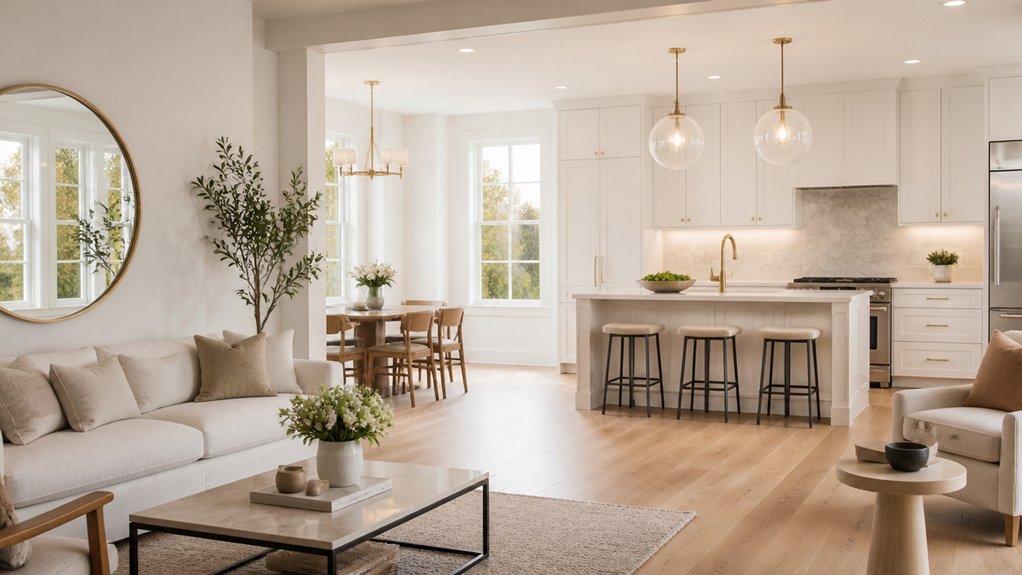

You don’t need major building work to make your property feel more valuable; small interior upgrades can change how buyers judge its comfort and condition. A fresh coat of paint, updated hardware, better lighting, and smarter storage can make rooms look more polished without a full renovation. The key is choosing improvements that deliver the most impact for your budget—and one often-overlooked detail can tie them all together.
Refresh Walls With Paint and Finishes
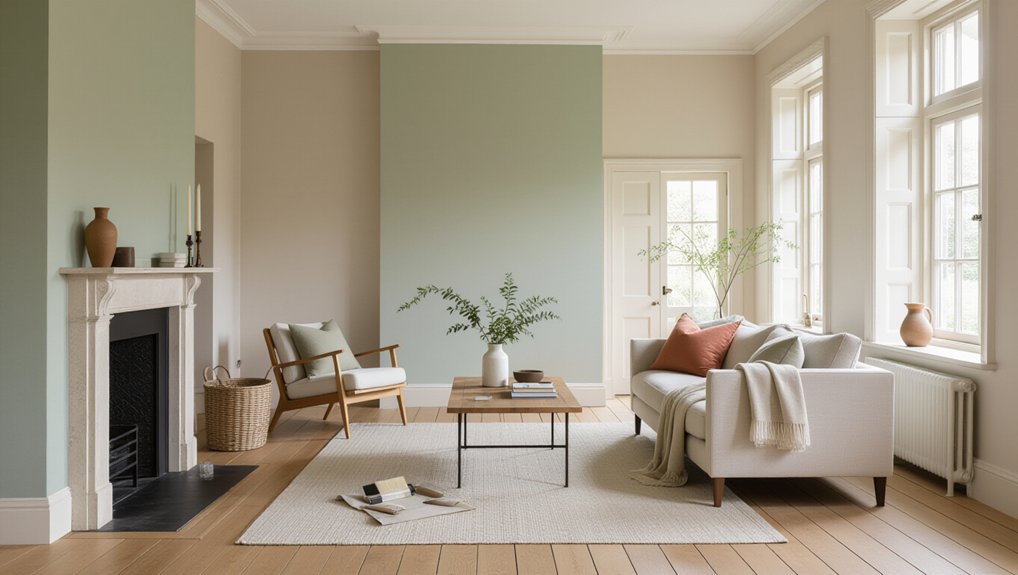
A fresh coat of paint can transform a room without the cost or disruption of a major renovation. Choose shades that suit the room’s natural light and create a consistent flow between adjoining spaces. Soft neutrals can help smaller rooms feel more open, while deeper tones add character to larger areas. Test sample patches at different times of day before you commit.
You can also add interest with Wall textures, such as subtle plaster effects, or use accent wallpapers to define a single feature wall. Keep patterns and finishes in proportion to the room so they don’t overwhelm it.
Prepare surfaces carefully: fill cracks, sand rough spots, and apply primer where needed. Quality preparation helps your finish look even and last longer, making this upgrade both attractive and practical.
Replace Tired Handles, Hardware, and Taps
Replacing worn handles, cabinet pulls, and taps can make a kitchen or bathroom feel noticeably fresher without a major renovation. Choose finishes that complement your existing fixtures and the room’s overall style. Matching door handles, cabinet hardware, and taps can create a considered look, while mixing finishes works best when you repeat each one consistently.
Before buying, measure existing fittings and check how they attach. This helps you avoid drilling new holes or damaging doors and drawers. If you’re replacing taps, confirm the number of mounting holes and the plumbing connections; call a qualified professional if the installation involves unfamiliar pipework.
Prioritise durable materials and easy-to-clean surfaces, especially in busy areas. You don’t need to replace every fitting: updating the most visible or heavily used pieces can deliver a noticeable improvement for a modest cost.
Brighten Rooms With Better Lighting
You can brighten each room by layering ambient lighting with task and accent fixtures.
Make the most of natural light by keeping windows clear and using light-filtering window treatments.
These simple changes help your space feel more open and comfortable.
Layer Ambient Lighting
Good lighting does more than brighten a room—it shapes how comfortable and functional it feels. Create an ambient glow by combining several light sources instead of relying on one harsh ceiling fixture. Start with a central ceiling light for general illumination, then add table or floor lamps where you read, work, or relax.
Use wall sconces to soften dark corners and make smaller rooms feel more balanced. This layered lighting gives you control over brightness throughout the day and helps each area serve its purpose.
Choose warm bulbs in living spaces for a welcoming feel, and install dimmers so you can adjust the mood without changing fixtures. Keep lamp styles and finishes consistent with your décor, and position lights to reduce glare on screens and reflective surfaces. These simple updates can improve comfort and appeal without major building work.
Maximize Natural Light
Layered fixtures give you control after dark, while natural light can make rooms feel brighter and more open during the day. To bring in more daylight, start by clearing window sills and trimming plants that block the glass. Choose light-filtering window treatments that preserve privacy without shutting out the sun.
Hang mirrors opposite windows to reflect light deeper into the room, and use pale, matte finishes to spread brightness without glare.
If you’re planning a larger change, consider whether a skylight installation suits your roof, budget, and room layout. Check local rules and consult a qualified professional before work begins.
You can also swap solid interior doors for glazed versions to share daylight between spaces. These practical updates can make your home feel more welcoming and may appeal to buyers, without requiring major building work.
Refresh Floors Without a Full Renovation
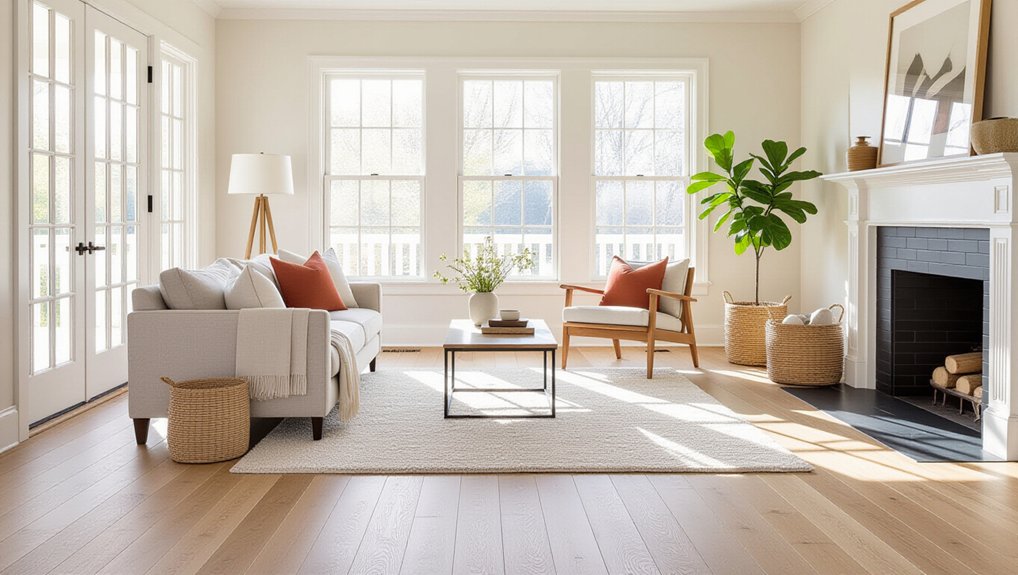
When your floors look worn but a full renovation isn’t practical, simple updates can make a noticeable difference. Start by cleaning thoroughly, then assess whether your existing surface needs a repair, polish, or new finish.
You can sand and refinish many hardwood floors, while specialist products can revive tile, laminate, or vinyl. Replace damaged boards or cracked grout before applying any coating.
For a quicker change, add a durable area rug to define a space and disguise scuffs. Choose a size and texture that suit your room’s use, and secure it to prevent slips.
Check current flooring trends for practical colors and finishes, but coordinate them with your walls; paint color palettes can help you create a cohesive look.
Always test products in an inconspicuous spot, follow instructions, and allow finishes to cure before moving furniture back.
Give Your Kitchen a High-Impact Refresh
You can refresh your kitchen without replacing the cabinets by repainting or refinishing their doors.
Update dated hardware with modern pulls and knobs for a quick, practical change.
Add layered lighting to brighten work areas and give the room a more polished feel.
Refresh Cabinet Finishes
Want a high-impact kitchen refresh without replacing your cabinets? Start by evaluating their condition. If the doors and frames are sound, a thorough clean and careful refinishing can transform the room for far less than a full replacement.
Remove doors and drawers, label each piece, and take off the existing finish where needed. Fill dents, sand surfaces smooth, and apply a suitable primer before painting.
Choose durable Paint finishes designed for kitchens; satin or semi-gloss options resist moisture and wipe clean easily. Test your color in different light before committing, since cabinets cover a large area.
Work in a ventilated space, follow product drying times, and apply thin, even coats to avoid drips. Refinish both sides of doors for a polished result.
If the veneer is damaged or peeling, consider professional repair before you begin.
Upgrade Lighting and Hardware
A few targeted lighting and hardware upgrades can make your kitchen feel brighter and more polished without a major renovation. Start with lighting design that improves both visibility and atmosphere. Replace dated ceiling fixtures with a clean, appropriately sized pendant or flush mount, and add under-cabinet lights to brighten work surfaces. Choose warm, consistent bulbs so the room feels inviting and colors appear natural.
If you’re updating cabinets, coordinate your hardware selection with their finish and style. New pulls or knobs can make existing doors feel current, while matching finishes across faucets and light fixtures creates a cohesive look. Measure hole spacing before buying replacements to avoid extra drilling.
Prioritize durable materials and easy-to-clean surfaces, especially near the stove and sink. These small changes can sharpen your kitchen’s appeal and improve everyday use.
Update Your Bathroom With New Fixtures
Replacing outdated bathroom fixtures can improve both the room’s appearance and everyday function. Choose a coordinated faucet, showerhead, and towel bar finish to give your bathroom a more polished look without remodeling.
Prioritize durable materials and water-efficient models; a low-flow showerhead can reduce water use while maintaining comfortable pressure. Before buying, check measurements and connection types so each fixture fits your existing setup.
You can handle many replacements with basic tools, but shut off the water first and follow the manufacturer’s instructions. If pipes show corrosion, connections leak, or the installation requires changes to supply lines, hire a licensed plumber.
These plumbing upgrades can prevent damage and help your new fixtures perform reliably. Test every connection after installation, and clean finishes with products suited to their material to preserve their appearance.
Add Built-In Storage to Reduce Clutter
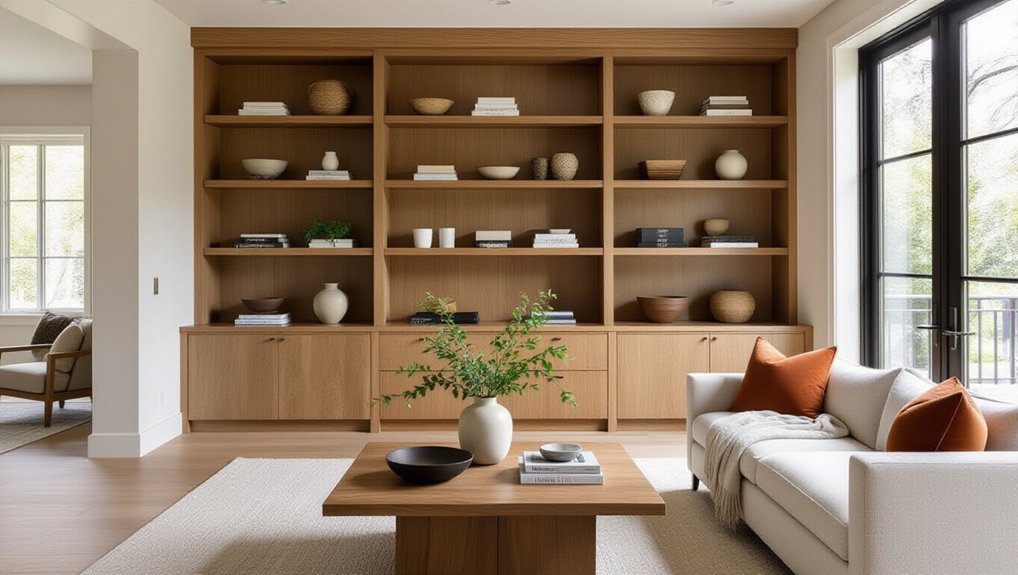
You can reduce clutter by turning unused corners, alcoves, and space beneath stairs into storage. Add built-in shelves to keep everyday items organized and within reach.
Use concealed cabinets or drawers to hide less-used belongings and maintain a tidy look.
Maximize Unused Spaces
Where can you find extra storage without sacrificing living space? Look for overlooked areas that serve little purpose: the space beneath stairs, the gap above a doorway, or an awkward alcove. These spots can hold everyday items when you fit them with storage designed to match their dimensions.
Start by identifying what you need to store, then measure carefully before choosing a solution. Under-stair drawers can keep shoes, cleaning supplies, or seasonal gear out of sight. A bench with a lift-up seat can turn an entryway corner into useful storage and a place to sit. Even a narrow space beside a wardrobe may fit a slim cabinet.
This kind of creative storage supports space optimization without changing your home’s layout. Keep access convenient, and avoid filling every gap; practical storage should reduce clutter, not create it.
Choose Built-In Shelving
Built-in shelving can turn unused wall space into practical storage without crowding a room. You can tailor its width, depth, and height to fit your belongings and the room’s proportions. Use adjustable shelves for books, baskets, or display pieces, and reserve sturdy lower sections for heavier items.
Fitted units make good use of hidden corners and awkward alcoves that freestanding furniture might leave unused. You can also frame a doorway or fireplace with shelves, or add decorative niches to showcase a few valued objects.
Keep the design consistent with your home’s trim and finishes for a polished look. Before installation, measure carefully and check for wiring or plumbing in the wall.
Well-planned shelving gives everyday items a clear place, helping you reduce visible clutter and making rooms feel more orderly.
Create Hidden Storage
When everyday items lack a place, clutter quickly returns. Create hidden storage to keep essentials close without crowding your rooms. Built-in benches with lift-up seats can hold shoes, blankets, or children’s toys, while window seats make use of otherwise wasted space. You can also add concealed drawers beneath stairs or inside fitted cabinetry to store paperwork, chargers, and seasonal accessories.
Plan each feature around what you need to store. Measure bulky items first, then choose compartments with enough depth and easy access. Hidden compartments work well for valuables or rarely used belongings, but don’t conceal items you reach for daily.
Use dividers, labels, or small trays inside drawers so contents stay organized. Match finishes and hardware to nearby furniture for a seamless look. These practical upgrades reduce visual clutter and help your home feel more spacious and considered.
Improve Room Flow With Simple Layout Changes
A room feels more comfortable when you can move through it without detours. Start by identifying the routes you use most, such as paths between doors, seating, and windows. Keep these walkways clear, and avoid placing furniture where it blocks access or forces you to squeeze past.
Thoughtful furniture placement can also make a room feel more balanced. Pull seating into a conversational group, leave enough space to move around tables, and choose pieces that suit the room’s scale. You don’t need to buy new furniture; try rearranging what you already have before making changes.
Open plan layouts benefit from clear zones for dining, relaxing, or working. Use rugs, lighting, or furniture groupings to define each area without adding walls. Test the arrangement for a few days, then adjust anything that still feels awkward.
Improve Efficiency With Windows and Smart Controls
Once your layout works well, improve energy use by pairing efficient windows with smart controls. If your existing windows leak air, add weatherstripping or caulk around frames before considering replacements. When you do upgrade, choose glazing suited to your climate and check ratings for insulation and solar heat gain. Well-fitted blinds or curtains can also limit heat loss in winter and reduce overheating in summer.
Smart thermostats help you manage climate control without constant adjustments. Set schedules around your routine, lower heating or cooling when you’re away, and use zoning if your system supports it.
Smart plugs and lighting controls can reduce wasted electricity in rooms you don’t use. Track energy use through your utility account or device apps, then adjust settings based on results.
These practical changes support Energy efficiency and make your home more comfortable year-round.
Prioritize Interior Upgrades by Cost and Value
To make the most of your budget, rank interior upgrades by upfront cost, likely savings, and how much they’ll improve daily comfort. Start with low-cost fixes that address daily problems, such as sealing drafts, replacing worn hardware, or improving lighting.
Next, compare larger projects by their expected lifespan, maintenance needs, and potential to reduce energy bills. Budget planning helps you avoid spending heavily on cosmetic changes while essential repairs wait.
Get several quotes, include a contingency for surprises, and tackle work in stages if needed. During material selection, balance durability, appearance, and price; easy-to-clean finishes may save time and money over the long term.
Choose upgrades that suit your home and future plans. Track each expense, then review results so you can direct remaining funds toward improvements with the strongest practical value.
Conclusion
Small interior upgrades can change how a property feels—and how buyers see its value. Fresh walls, brighter lighting, smarter storage, and well-chosen finishes help rooms feel polished without the dust and disruption of major building work. Picture a welcoming space where light reaches every corner and clutter has a place to disappear. Start with the improvements that matter most to your budget and home, then build on them thoughtfully. You’ll create a more comfortable interior and a stronger first impression.