


First impressions count as buyers often form an opinion before they step inside, so preparing your home starts well before the first showing. Walk through your property as a buyer would, note what needs attention, and set a realistic budget for the work. From curb appeal to clean, uncluttered rooms, each change can help your home feel more inviting. Start with the updates that make the strongest first impression—and avoid spending on fixes that won’t matter.
Assess Your Home Before You Start
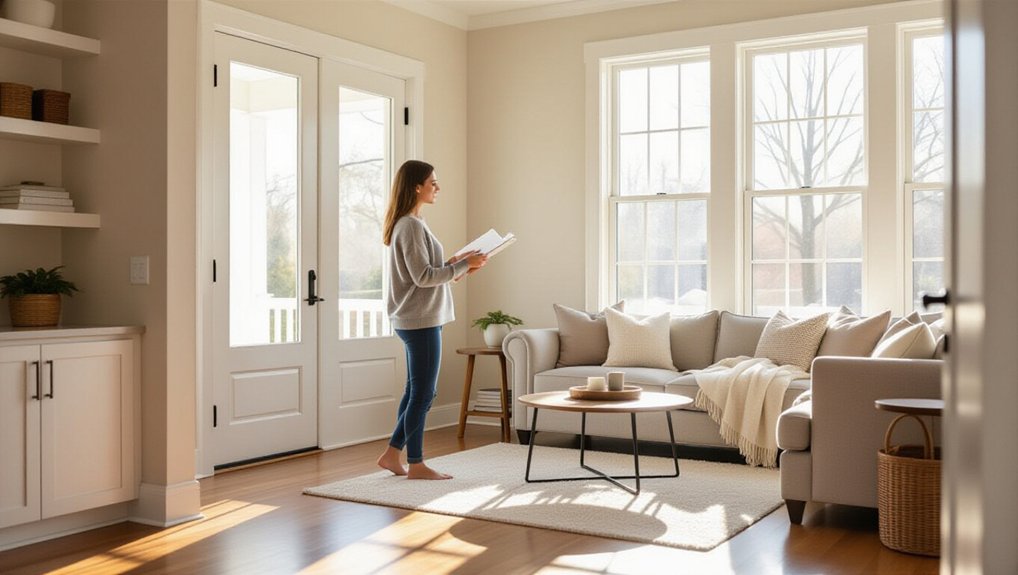
Before you make repairs or updates, assess your home with a buyer’s eye. Walk through each room and note what visitors will see first: worn finishes, odors, clutter, poor lighting, or signs of deferred maintenance. Check exterior areas, too, including the entry, siding, roofline, and yard. Take photos so you can review details objectively and track visible concerns.
Then compare your property with similar homes currently listed or recently sold nearby. A neighborhood analysis helps you understand local expectations, common features, and how your home stands out. Consider asking a real estate professional for a Home appraisal or a comparative market analysis to identify condition issues that may affect buyer interest.
Separate urgent safety concerns from cosmetic flaws, and record your observations. This assessment gives you a clear, evidence-based picture before you decide what comes next.
Set a Budget and Prioritize Updates
Set a firm budget before you begin, and include labor and materials in your estimates.
Prioritize updates that improve curb appeal, address visible wear, or resolve issues buyers may flag.
Keep a reserve for unexpected repairs so surprises don’t derail your plans.
Establish Your Budget
A clear budget helps you focus on updates that can make your home more appealing to buyers without overspending. Start by reviewing your available savings, expected selling costs, and any funds you’ll need for your next move. Set a firm spending ceiling, then reserve part of it for unexpected repairs or price changes. Don’t rely on a guaranteed sale price to justify expenses; your proceeds may differ from estimates.
Use a Neighborhood analysis to understand local buyer expectations and typical listing conditions. Compare similar homes and ask a real estate professional which preparations sellers commonly fund. Include Home staging costs, cleaning, minor repairs, and professional services in your estimate.
Get written quotes before committing, and track each expense against your limit. A realistic budget keeps decisions manageable and protects your financial plans.
Prioritize High-Impact Updates
With your budget in place, focus on updates that buyers will notice and that can improve your home’s overall appeal. Walk through your property as a buyer would, noting worn finishes, poor lighting, and visible maintenance issues. Address repairs that could raise concerns, then consider affordable improvements such as fresh neutral paint, updated hardware, or brighter bulbs.
Prioritize rooms that shape first impressions, especially the entry, kitchen, and main living areas. Ask your real estate agent which changes matter most in your market; avoid spending on personal preferences buyers may not value.
Pair targeted upgrades with practical staging strategies, such as clearing surfaces and arranging furniture to show space. Your marketing techniques can highlight these improvements, but the home itself must support the promise.
Compare each project’s cost with its likely impact before committing.
Reserve Funds for Surprises
Even a well-planned sale can bring unexpected costs, so keep part of your budget in reserve. Financial planning helps you prepare for repairs, permit fees, or last-minute buyer requests without derailing your priorities. Before work begins, set a firm spending limit and separate contingency funds—typically 10 to 15 percent of your renovation budget. Keep this money accessible, but don’t treat it as extra spending cash.
Rank updates by their likely impact on buyers and your home’s condition. Address safety issues and essential repairs first; then fund improvements that strengthen curb appeal or refresh key rooms. If a surprise arises, compare its cost with the benefit of fixing it before listing.
Ask your agent or contractor for a second opinion when needed. This approach protects your finances and keeps your preparation on schedule.
Boost Curb Appeal Before Buyers Arrive
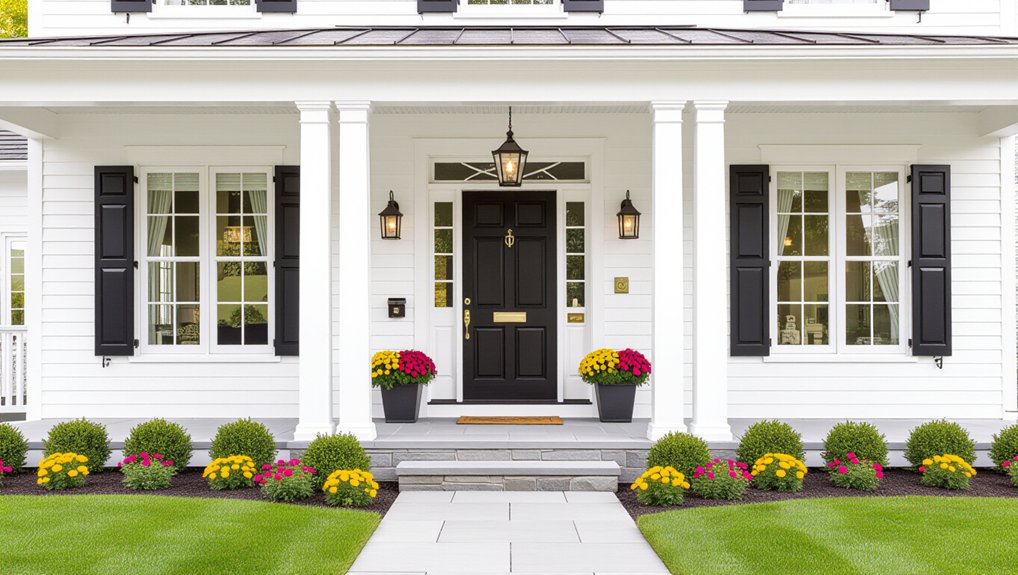
Before buyers step inside, the exterior sets their expectations for the entire home. Take a fresh look from the street and note what appears neglected. Landscaping enhancements can make the property feel cared for: mow the lawn, trim overgrown shrubs, remove weeds, and add fresh mulch. Choose simple, healthy plants that suit the season rather than investing in elaborate designs.
Next, handle visible Exterior repairs. Fix loose siding, cracked walkways, damaged gutters, and peeling paint; these small defects can suggest larger maintenance problems. Wash exterior surfaces and clean windows so the home looks bright and well maintained.
If you’re unsure which improvements matter most, ask your real estate agent to identify issues buyers are likely to notice. Focus your budget on repairs and upkeep that improve the overall impression, not costly upgrades that won’t deliver a clear return.
Make the Entryway Feel Welcoming
Make your entryway feel welcoming by clearing clutter so buyers can move through it easily.
Brighten the space with clean windows and effective lighting.
Add a warm welcome with a simple doormat or fresh flowers.
Clear the Clutter
A clear entryway helps buyers feel welcome the moment they arrive. Start by removing shoes, coats, bags, and mail that collect near the door. These everyday items make a small space feel crowded and distract buyers from its useful features. Keep only what you need for daily routines, and store the rest out of sight.
Choose practical storage solutions that fit the entryway without blocking the walkway. A slim bench with closed storage or a compact shoe cabinet can keep essentials organized.
Limit decorative accessories to a few purposeful pieces, such as a small tray for keys or a simple bowl. Too many objects can make the area feel cramped and harder to maintain.
Before each showing, clear surfaces, tuck away personal belongings, and check that buyers can move comfortably through the entrance.
Brighten the Entry
Good lighting makes an entryway feel warm and helps buyers see its features clearly. Turn on every entry light before showings, and replace dim or mismatched bulbs with consistent, warm-white options. If the space lacks a ceiling fixture, add a slim table lamp or a well-placed floor lamp, keeping cords tucked away. Clean glass shades and wipe down switches so the details look cared for.
Use daylight, too: open nearby curtains and clear any objects blocking sidelights or windows. A mirror can reflect natural light and make a narrow entrance feel more spacious, while simple entrance décor keeps attention on the home’s features.
Choose lighting that suits the scale of the space and creates a balanced lighting ambiance. Check the entry at dusk; buyers should be able to see the floor, walls, and doorway without harsh glare.
Add a Warm Welcome
Once the lighting feels right, add a few thoughtful details to help buyers feel at ease as they enter. Keep the front porch decor simple and well maintained: sweep the steps, wipe the door, and place a healthy potted plant near the entrance. A clean doormat gives visitors a clear place to pause without making the space feel crowded.
Inside, clear shoes, coats, and personal items from the entryway. Buyers should be able to move comfortably and picture their own belongings there. If you use a welcoming scent, keep it subtle; fresh air is usually more appealing than strong candles or sprays.
Check that the door opens smoothly and that the hardware looks clean. These small, practical touches create a cared-for first impression and help guests feel comfortable as they tour your home.
Declutter and Depersonalize Each Room
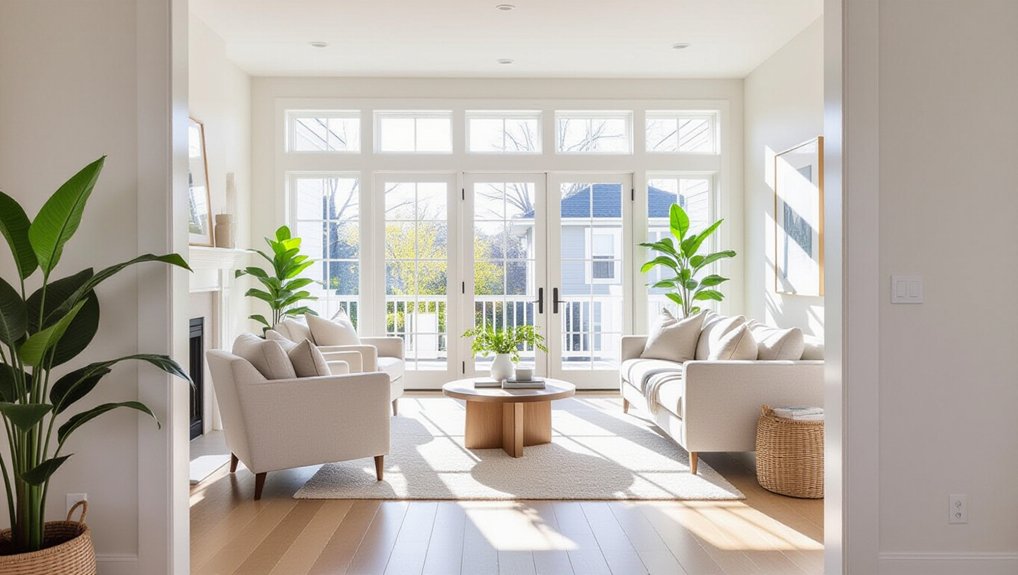
Before listing your home, clear excess belongings from each room and remove personal items such as family photos, collections, and distinctive décor. This helps buyers picture their own lives in the space and keeps attention on your home’s features.
Start with countertops, shelves, and entryways, where clutter is especially noticeable. Keep only a few well-chosen decorative accents, and store everyday items out of sight. Use practical storage solutions, such as baskets, bins, or closet organizers, to contain belongings without overcrowding cabinets or closets.
Buyers often inspect storage areas, so leave enough open space to show their capacity.
In bedrooms and living areas, reduce extra furniture to improve flow and make rooms feel larger. Clear children’s toys, hobby supplies, and pet items before showings.
Aim for a neutral, orderly look that feels inviting while allowing buyers to imagine making the home their own.
Deep-Clean and Fix Small Problems
A thorough cleaning helps your home feel well cared for and lets buyers focus on its best features. Work from top to bottom, removing dust from ceiling fans, vents, baseboards, and window frames before vacuuming and mopping floors.
Scrub kitchens and bathrooms carefully, including appliance interiors, grout, faucets, and drains. These deep cleaning essentials help eliminate odors and reveal the condition of surfaces. Use appropriate products, and test them in an inconspicuous spot to prevent damage.
Next, handle minor repairs that could suggest neglect. Tighten loose handles, replace burned-out bulbs, patch small wall holes, and fix dripping faucets or squeaky hinges. Check doors and drawers so they open and close smoothly.
If a repair requires specialized skills or could affect safety, hire a qualified professional. Finish by walking through each room as a buyer would, noting overlooked dirt or defects. Addressing these details now can make your home feel move-in ready.
Improve Lighting and Keep Styling Simple
Bright, balanced lighting can make rooms feel larger and more inviting. Open curtains and blinds to let in natural light, then clean windows so daylight isn’t dulled by dust. Replace dim or mismatched bulbs with consistent, warm-white options, and check that every fixture works. These simple Lighting enhancements can brighten shadowed corners without costly renovations.
Keep furnishings and décor purposeful. Minimalist styling helps buyers notice a room’s proportions and features instead of competing objects. Remove excess accessories, bulky pieces, and personal collections, but retain a few useful items that make each space feel comfortable.
Arrange furniture to preserve clear pathways and avoid blocking windows or lamps. Choose a restrained palette, and use texture sparingly to add warmth. You don’t need to strip rooms bare; aim for a balanced, uncluttered look that feels welcoming and lets your home’s best qualities stand out.
Get Ready for Photos and Showings
Once your home is clean and styled, prepare it to look its best in photos and during showings. Use staging strategies that help buyers picture themselves living there: arrange furniture to show clear pathways, set the dining table simply, and add fresh towels in bathrooms. Keep personal items and valuables out of sight.
Photography tips can make a strong first impression online. Open window coverings, turn on lights, and remove cars from the driveway before the photographer arrives. Ask your agent which rooms and features need attention, and follow the photographer’s guidance on angles and framing.
For showings, make it easy for visitors to explore: secure pets, store everyday clutter, and leave doors open to inviting spaces. Keep the temperature comfortable, and step out during appointments so buyers can view your home without distraction.
Do a Final Walk-Through Before Listing
Before your listing goes live, walk through the home as if you were seeing it for the first time. Start at the curb: check the entry, clear walkways, and make sure the exterior supports the neighborhood appeal buyers expect.
Then enter through the front door and notice what draws your eye—and what distracts you.
Look for scuffed walls, burned-out bulbs, lingering odors, and clutter you may have stopped noticing. Open closets and cabinets; buyers will, too.
Confirm that rooms feel bright, clean, and easy to navigate. Apply staging techniques consistently: straighten furniture, remove personal items, and keep surfaces simple without making spaces feel empty.
Finally, test doors, faucets, lights, and appliances, and secure valuables and medications.
Ask a trusted person to tour the home and share candid feedback. Make a short punch list, address essentials, and verify each fix before listing.
Conclusion
Before your home hits the market, take one last walk-through as if you’re seeing it for the first time. Check that every room feels clean, bright, uncluttered, and easy to navigate, and make sure small repairs haven’t been overlooked. You don’t need perfection; you need buyers to picture themselves living there. As the saying goes, “You never get a second chance to make a first impression.” Prepare thoughtfully, and you’ll help your home make a strong one.