
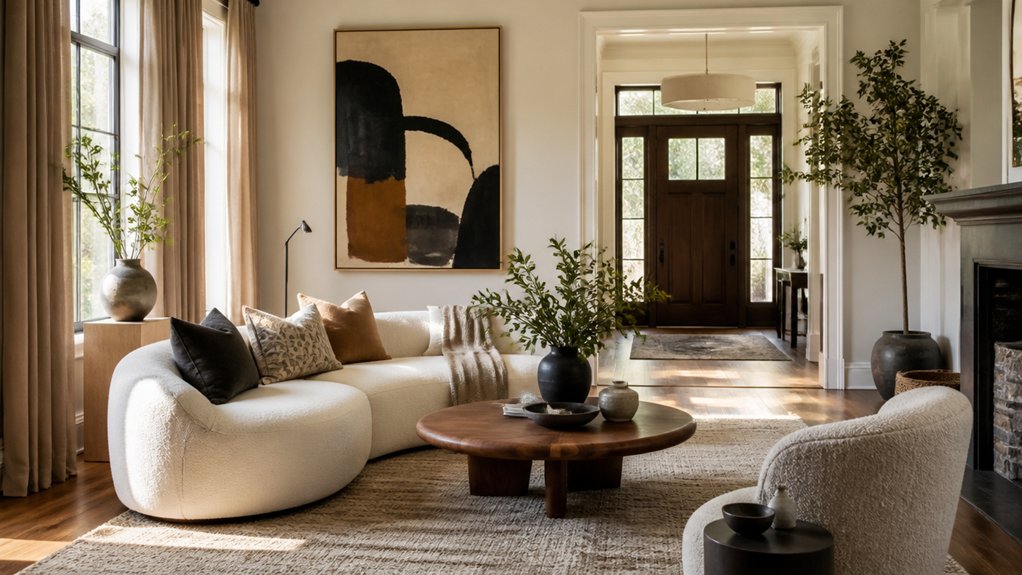

Your living room sets the tone for your home, so a few deliberate changes can make a stronger first impression. Start by planning around how you use the space, then choose a focal point, refine the layout, and build a cohesive palette. Thoughtful lighting, textiles, and personal details add warmth without creating clutter. The key is knowing which change will make the biggest difference in your room.
Plan Your Living Room Makeover
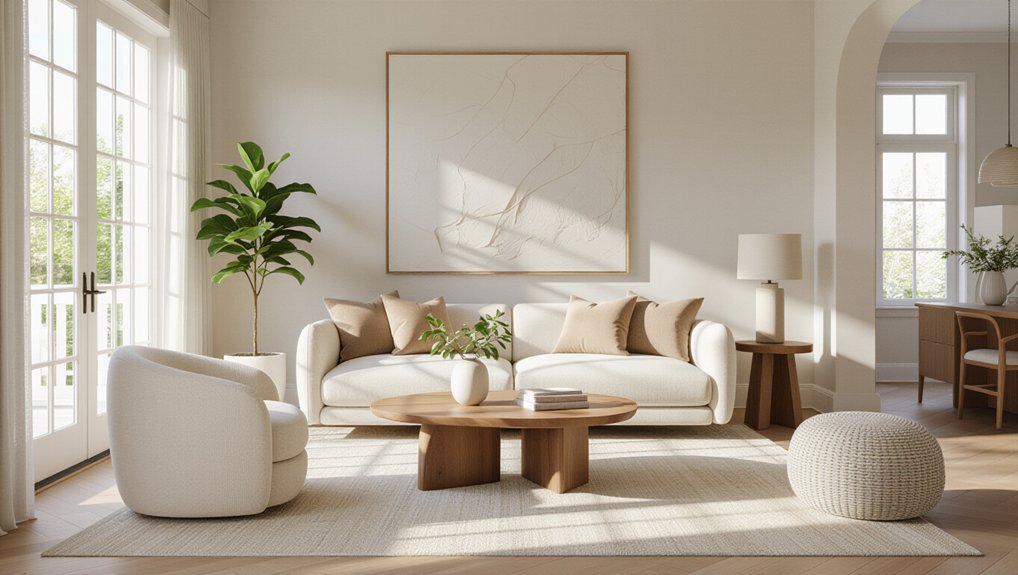
Before you buy furniture or choose paint, decide how you want your living room to function. List the activities you’ll accommodate, such as relaxing, entertaining, reading, or working. Note who uses the room, how often, and what currently feels inconvenient. These details will guide practical choices and help you avoid spending on changes that don’t solve real problems.
Next, set a firm budget and divide it among materials, labor, furnishings, and a contingency for unexpected costs. Research prices before committing, and prioritize improvements that address your biggest needs. Budget friendly options include rearranging existing pieces, shopping secondhand, and updating accessories rather than replacing everything.
Use DIY remodeling tips for manageable tasks, but hire qualified professionals for electrical, structural, or other safety-sensitive work. Measure the room and record constraints, including doors, windows, outlets, and traffic paths, before planning purchases.
Choose a Focal Point for Your Living Room
Choose one focal point to give your living room a clear visual anchor. If you have a fireplace, arrange seating to highlight it and keep the mantel uncluttered.
Without one, create a feature wall with paint, wallpaper, or carefully placed art.
Highlight the Fireplace
A fireplace can anchor your living room and give the rest of the design a clear direction. Arrange seating to face it, leaving enough space for comfortable conversation and safe movement.
Keep the mantel simple: choose a few pieces with varied heights, and leave room around them so the fireplace remains the focus. For balanced fireplace decor, echo the hearth’s colors or materials in nearby cushions, rugs, or lighting rather than matching every detail.
Check that screens, tools, and accessories suit the fireplace’s scale and style. Before you make it a centerpiece, schedule fireplace maintenance and confirm that the chimney, flue, and surrounding materials are safe to use.
If the fireplace doesn’t work, clean it and style the opening thoughtfully. These choices make the feature feel intentional, not forced.
Create a Feature Wall
Create a feature wall to give your living room a clear focal point and a sense of purpose. Choose a wall that naturally draws attention, such as the one behind your sofa, fireplace, or media console. Keep the room’s layout in mind so the feature enhances, rather than competes with, existing furniture.
Effective feature wall ideas include a bold paint color, patterned wallpaper, wood paneling, or a curated gallery. Select a finish that complements your palette and suits the room’s scale. For a cohesive result, repeat one accent color or material elsewhere in the space.
Use wall treatment techniques that match your budget and maintenance needs. Test paint and wallpaper samples in different lighting before committing.
If you’re adding shelves or artwork, plan their placement first, and secure heavy items properly.
A deliberate focal wall creates impact without visual clutter.
Rearrange Furniture for Better Room Flow
Rearrange furniture to open clear paths between doorways and seating areas, making your living room easier to move through and more comfortable to use. Start by identifying how you enter, cross, and use the room. Then shift pieces that block those routes, keeping walkways wide enough for people to pass without squeezing around corners.
Thoughtful Furniture placement also helps your seating feel connected. Arrange sofas and chairs to encourage conversation, while leaving enough space to reach tables and windows. If a large piece dominates the room, move it away from the main route or anchor it against a wall.
Keep frequently used items within easy reach, and avoid placing furniture where doors or drawers can’t open fully.
After each adjustment, walk through the room as you normally would. A few practical changes can improve traffic flow and make the layout feel balanced.
Refresh Your Living Room Color Palette
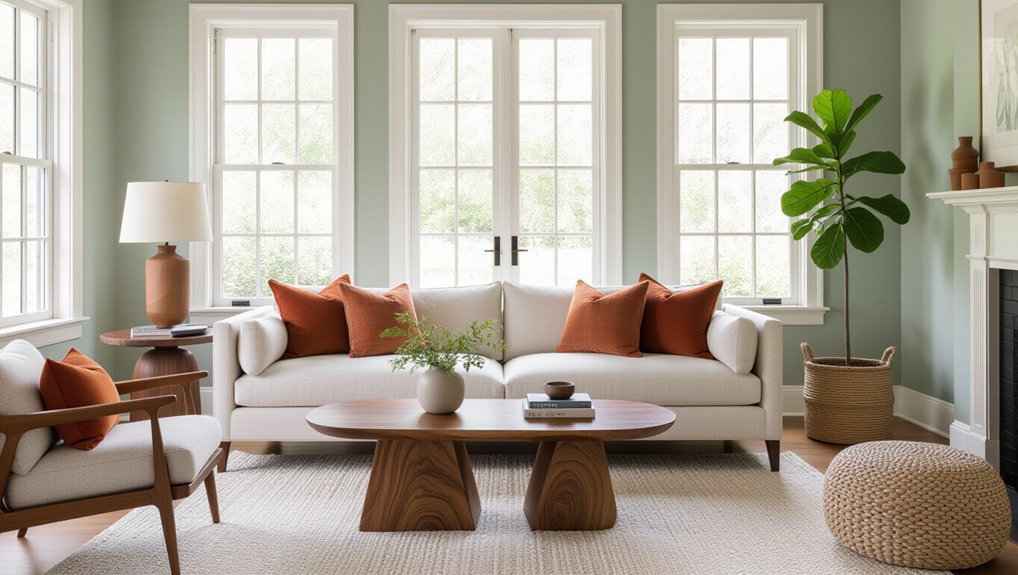
When your living room feels tired, revitalizing its color palette can change the mood without replacing furniture. Start by choosing a dominant shade that suits the room’s purpose and natural features. Color psychology can guide your choice: muted greens and blues often feel calming, while warm terracotta or ochre adds energy.
Test paint samples on several walls, then observe them at different times of day before committing.
You don’t need to repaint every surface. A fresh coat on one accent wall, built-in shelves, or trim can create a deliberate focal point. Match new colors with existing upholstery and flooring, or use cushions and artwork to introduce smaller, reversible accents.
Choose paint finishes based on use: eggshell handles everyday wear, while satin cleans easily on trim. Limit your palette to three coordinated shades for a polished result.
Layer Lighting for a More Inviting Room
Layer ambient lighting with task lights so you can brighten the whole room and illuminate reading or work areas.
Add warm accent lights to highlight artwork or architectural details.
Use dimmers to adjust each layer for comfort throughout the day.
Combine Ambient and Task Lighting
A well-lit living room balances ambient light, which fills the space, with task lighting for reading, hobbies, or other focused activities. Start with overhead fixtures or well-placed floor lamps to provide even coverage, then add focused lights where you need them.
Position a reading lamp beside your favorite chair, or use an adjustable desk lamp near a craft table. This task illumination helps you see comfortably without flooding the entire room with unnecessary brightness.
Choose fixtures that work together in scale and function, and place them to limit glare and harsh shadows. Use dimmers when possible so you can adjust the overall level for different activities.
For effective ambient enhancement, spread light across the room rather than relying on a single central fixture. Check how each area looks and feels at night, then reposition lamps to improve comfort and usability.
Add Warm Accent Lights
To make your living room feel more inviting after dark, add warm accent lights that highlight favorite details without overpowering the room. Aim for bulbs around 2,700 kelvins to create a soft Ambient glow that complements your main lighting.
Place a small lamp beside a plant, use picture lights to draw attention to artwork, or tuck LED strips behind shelves for subtle depth. Choose fixtures that direct light onto surfaces rather than into your eyes, and put them on dimmers so you can adjust brightness as the evening changes.
Keep the color temperature consistent across your lamps to maintain a cohesive look. A few carefully positioned accents can make architectural features stand out, soften shadows, and build a cozy ambiance without adding visual clutter.
Test placements at night before settling on a final arrangement.
Choose a Rug to Anchor the Seating Area
Choose a rug that’s large enough to bring the seating area together: ideally, the front legs of every sofa and chair should rest on it. This Rug placement creates a clear zone and keeps furniture from looking scattered.
Measure your seating arrangement before you shop, then allow a few inches of visible floor around the rug so the room still feels balanced.
Consider how you use the space, too: a durable, low-pile weave suits busy rooms, while a softer texture adds comfort beneath your feet.
For Pattern options, choose a subtle design to complement bold upholstery, or use a stronger motif to enliven neutral furniture.
Coordinate the rug’s colors with existing accents, but don’t match every shade exactly. A thoughtful choice can define your layout and make the room feel more inviting.
Update Curtains for a Polished Living Room
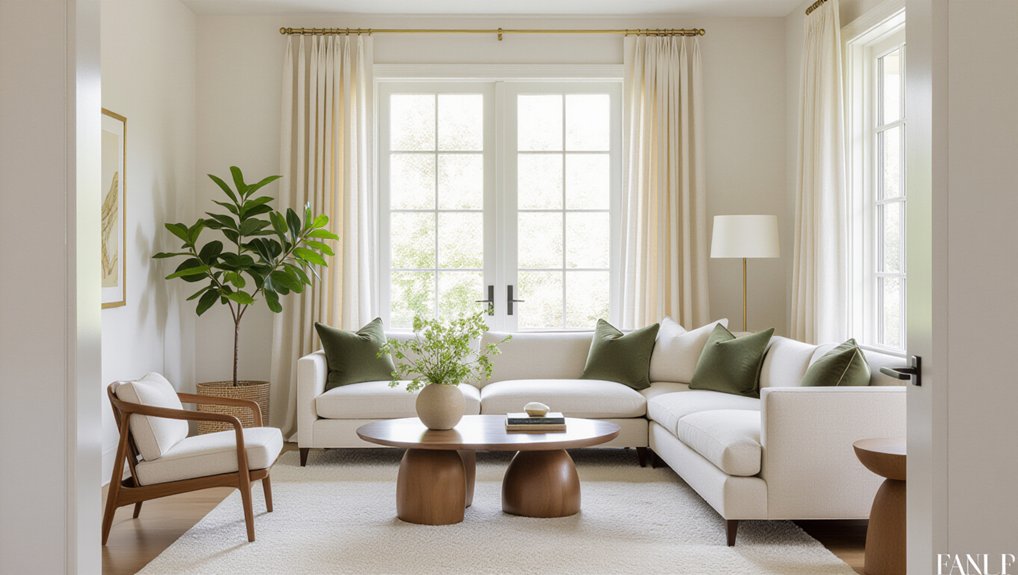
Well-fitted curtains can make your living room feel more polished while controlling light and privacy. Choose a rod that extends beyond the window frame so open panels don’t block daylight, and hang it high to make the ceiling appear taller. Measure carefully before buying; curtains should reach the floor or hover just above it for a clean finish.
Consider how different curtain fabrics affect the room’s comfort and appearance. Linen filters light with an airy texture, while lined cotton or velvet offers more coverage and insulation. Match the fabric’s weight to your needs and the season.
Coordinate window treatments with your existing furnishings without making them identical. Pick a color that complements the room, then select a simple pattern or solid shade. Check that the panels open and close smoothly, and use a sturdy rod suited to their weight.
Add Art and Mirrors That Reflect Your Style
Art and mirrors add personality while making a living room feel brighter and more balanced. Choose pieces that suit your taste and the room’s scale. A large canvas can anchor the seating area, while a coordinated gallery wall adds interest without overwhelming the space. Keep frames consistent for a calm look, or mix finishes to create contrast.
Mirrors can also improve light and depth. Place one opposite a window to reflect daylight, or use a tall design to make a low ceiling feel higher. Before hanging anything, test its position and check that artwork sits near eye level when you’re seated.
Pair Contemporary aesthetics with clean-lined frames and restrained colors, or bring in Vintage decor through aged prints and ornate mirrors. Select pieces you genuinely enjoy, and leave enough wall space around them to let each one stand out.
Style Shelves and Add Plants Without Clutter
When you style shelves, give each item room to stand out instead of filling every gap. Stylish shelving starts with a simple plan: group objects by height, shape, or color, then leave open space between clusters. This rhythm keeps your display composed and lets the room feel larger.
Place heavier pieces on lower shelves and lighter items above to create visual balance. Use books horizontally and vertically to vary the lines, but avoid stacking so many that the shelves look crowded.
Plant placement can soften hard edges and bring freshness without adding clutter. Choose one or two plants suited to your light levels, and set them where their leaves won’t block artwork or sightlines. A trailing plant works well on a high shelf; a compact upright variety fits a lower one.
Keep pots proportionate, and trim growth regularly.
Add Personal Touches to Your Living Room
Make your living room feel like yours by displaying keepsakes that carry meaning. Showcase personal artwork to add character, and layer favorite textiles for warmth and comfort.
Choose each piece with care so your room feels personal, not crowded.
Display Meaningful Keepsakes
Personal keepsakes can make your living room feel more like home while adding character to the space. Choose items that tell a story, such as travel souvenirs, family heirlooms, or a treasured gift. A few well-selected pieces create more impact than a crowded collection.
Arrange your Memory displays where you’ll notice them, but keep surfaces functional. Group objects by theme, color, or material, and vary their heights to create balance. Use a tray to contain smaller keepsakes, or place a meaningful object on a bookshelf alongside practical items. Protect delicate pieces from direct sunlight and busy walkways.
Thoughtful sentimental decor should complement your room’s palette and scale. Rotate keepsakes occasionally to keep the display fresh without adding clutter. When each item has a clear place, your living room feels personal, considered, and welcoming to guests.
Showcase Personal Artwork
Your own artwork can bring color and personality to a living room while making the space feel distinctly yours. Choose pieces that reflect your interests, travels, or creative work, then consider how their colors affect the room’s mood. Color psychology can guide your choices: warm hues often feel energetic, while cooler tones tend to create a calmer atmosphere.
You don’t need to match every piece to your existing palette; a deliberate contrast can add focus and character.
Thoughtful art placement helps each work stand out. Hang a large piece above a sofa or mantel, keeping its center near eye level. For a gallery wall, arrange pieces on the floor first, balancing sizes and spacing before you make holes. Use secure hardware suited to each frame’s weight, and leave enough breathing room around the display so your artwork remains the focal point.
Layer Favorite Textiles
Layering favorite textiles adds warmth, texture, and personality to a living room. Start with a durable rug that anchors your seating area, then build upward with cushions and throws. Textile layering works best when you vary scale, weight, and pattern without crowding the space. Choose a shared color palette to keep contrasting designs cohesive, and repeat one accent shade across several pieces.
Pay attention to fabric textures: pair smooth cotton with nubby wool, soft velvet, or woven linen for depth you can see and feel. Drape a throw casually over a chair, but keep pathways clear and cushions comfortable. Your favorite fabrics can reflect travel memories, family traditions, or simply colors you love.
Rotate lightweight and heavier layers with the seasons, and wash or vacuum them regularly to keep your living room fresh and inviting.
Conclusion
Your living room doesn’t need a complete overhaul to make a memorable first impression. Start with one clear focal point, improve furniture flow, and build a cohesive look with color, layered lighting, and polished curtains. Add art, mirrors, plants, and personal keepsakes with a light touch so each detail has room to shine. Remember, “less is more”: choose updates that support your style and daily needs. With thoughtful planning, you’ll create a welcoming room that feels both impressive and genuinely yours.