
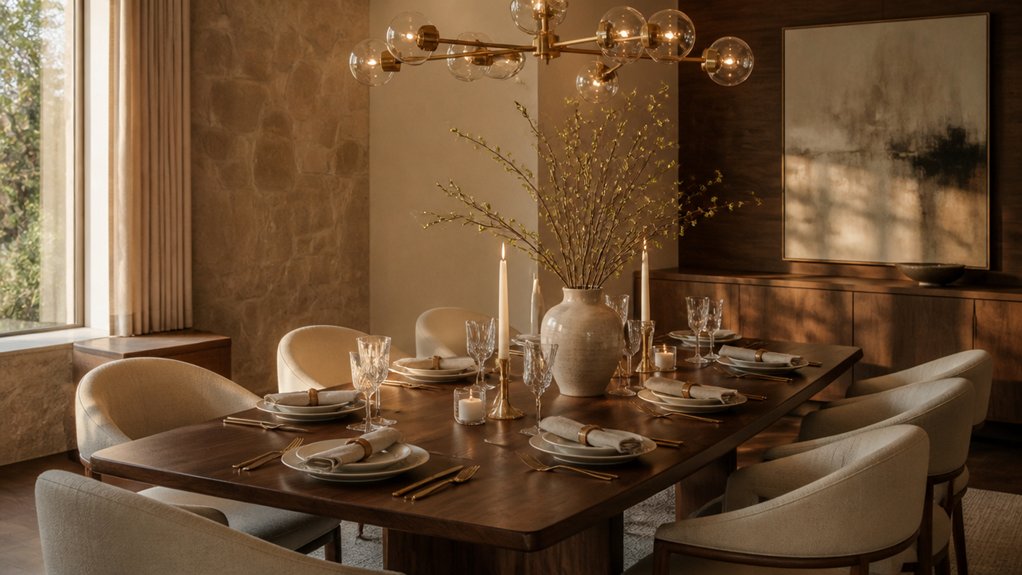

A dining room’s most important design decision often isn’t the table—it’s how the layout supports conversation. When you plan for comfortable seating, layered lighting, and clear paths between the table and serving areas, entertaining feels easier and more polished. You don’t need a full renovation to get there; a few well-chosen updates can reshape the room. Start with the element that sets the tone for everything else.
Choose a Dining Table That Sets the Room’s Style
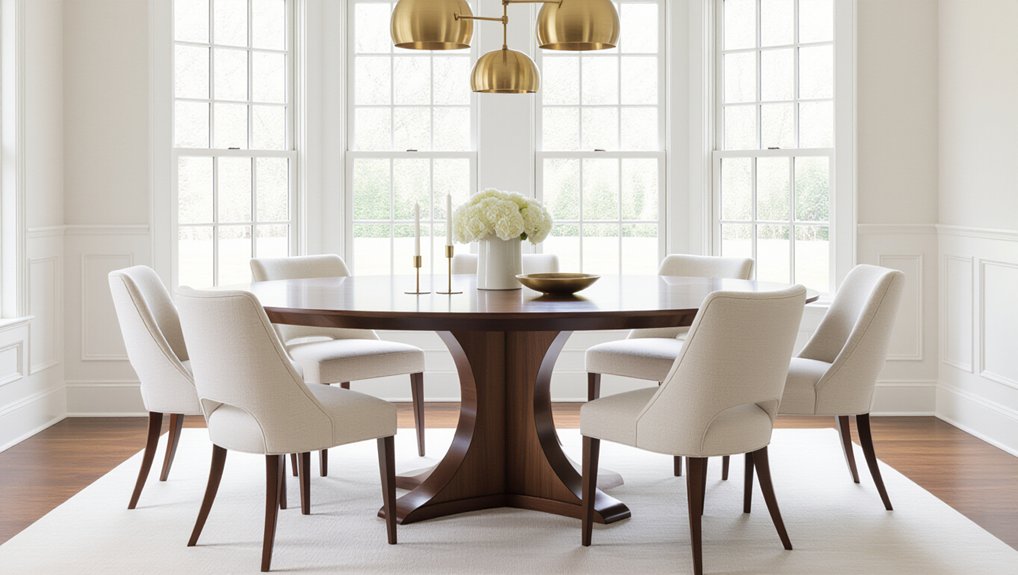
A dining table anchors the room, so choose one that reflects the atmosphere you want to create. Start with scale: measure your dining area and leave enough clearance for people to move around comfortably.
Then consider table shape. A rectangular design suits a long room and formal gatherings, while a round or oval table softens a compact space and encourages conversation.
Let your table material reinforce the mood. Warm wood brings depth and an inviting feel; glass keeps the room visually open, and stone adds sculptural presence.
Match the finish to your existing floors, lighting, and architectural details rather than chasing a passing trend.
For entertaining, prioritize a sturdy surface and a size that serves your usual guest list without overwhelming everyday use.
Choose a piece that feels intentional, not merely impressive.
Pair Dining Chairs With Comfort and Character
Choose dining chairs that support relaxed meals without sacrificing style. You can mix shapes and textures to add character while keeping the room cohesive.
Match each chair’s scale and finish to your table for a balanced look.
Balance Comfort and Style
To make long dinners feel as good as they look, pair dining chairs with supportive seats and details that suit your table’s character. Test chairs before you buy: sit back, check lumbar support, and make sure the seat height lets you rest your feet comfortably.
For extended meals, choose cushioning that holds its shape and upholstery you can clean easily. A curved back or gently padded seat can soften a formal setting without sacrificing polish.
Consider how chair proportions relate to the table, leaving enough room to pull each one out and move around. Wood, metal, or upholstered frames can each reinforce your dining room’s mood.
Add felt pads to reduce scraping and support elegant acoustics. Thoughtful comfort creates a cozy ambiance, encouraging guests to linger while your dining space stays composed and inviting.
Mix Shapes and Textures
When you mix chair shapes and textures, give the room a deliberate thread of cohesion. Choose one unifying element—such as a shared color, leg finish, or upholstery tone—then vary silhouettes to add character. Pair a curved, upholstered chair with a clean-lined wood design, or combine slim frames with a softly rounded seat. Keep the contrast intentional, not arbitrary.
Use mixed materials to build depth: woven cane, smooth leather, textured linen, and matte metal each bring a distinct feel. Repeat one or two finishes elsewhere in the room so the combination feels considered. Abstract art can echo the chairs’ colors or shapes, linking varied pieces without making them match.
Before committing, test samples in your lighting and sit in each style; visual interest should never come at the expense of comfort.
Match Chairs to Your Table
A well-matched dining chair complements the table’s scale and shape while keeping guests comfortable through a full meal. Start by checking seat height: aim for about 10 to 12 inches between the chair seat and tabletop.
Then consider proportions. Slim chairs suit a compact table, while a substantial pedestal or farmhouse design can support more generous frames.
You don’t need an identical set to create a cohesive look. Repeat a shape, material, or color, and use matching upholstery to tie varied silhouettes together.
For a quieter scheme, choose coordinating finishes that echo the table’s wood tone or metal details without matching every surface exactly.
Before you commit, test each chair at the table. Check leg clearance, back support, and how easily guests can move in and out.
Light Your Dining Room for Meals and Mingling
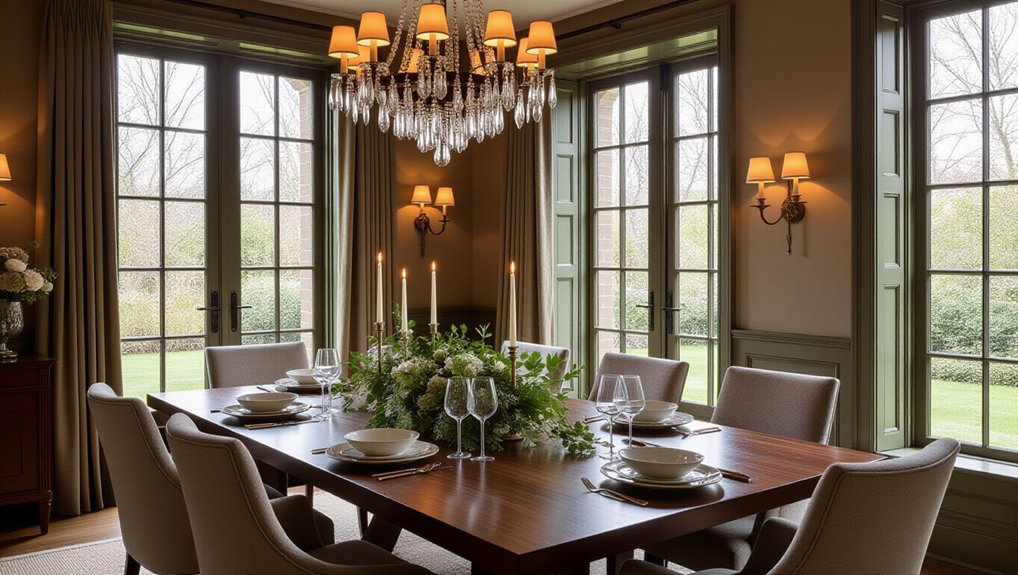
Layered lighting lets your dining room shift easily from a relaxed meal to lively conversation. Start with a dimmable chandelier or pendant centered over your table; hang it low enough to define the setting, but high enough to keep sightlines clear.
Add ambient lighting with wall sconces or a floor lamp to soften shadows and brighten the room’s edges. Place a small lamp on a sideboard for a welcoming glow, and use picture lights to highlight artwork or other decorative accents.
Choose warm-white bulbs to flatter faces and make food look inviting. Put each source on a separate switch or dimmer, so you can adjust the balance as guests arrive and dinner unfolds.
Avoid relying on one bright fixture; layered illumination keeps the room comfortable and visually composed throughout the evening.
Add Color With Dining Room Walls and Floors
Choose wall paint with purpose, using color to set the mood and complement your dining furniture.
Layer in pattern and depth with wallpaper, whether on every wall or as a focused accent.
Ground the room with a rug that ties your palette together and defines the dining area.
Paint Walls With Purpose
When your dining room furniture and lighting are in place, use wall color to shape the mood and give the space a clear point of view. Choose a shade that complements your table, upholstery, and finishes, then test samples in morning and evening light.
Warm neutrals create an easy backdrop, while deep greens or blues bring intimacy and drama. If you entertain often, consider how the color looks under candlelight as well as brighter task lighting.
Use paint techniques to add subtle character without crowding the room. A crisp contrast between walls and trim can sharpen architectural details; painting both in one hue makes the space feel more enveloping.
For a restrained accent, paint a single wall behind a sideboard or buffet. Keep the palette connected to adjoining rooms, and choose a durable finish that’s easy to clean.
Layer Color Through Wallpaper
Wallpaper adds pattern and depth to a dining room while extending the color story beyond paint. Choose a design that supports your existing palette: a fine stripe can sharpen a traditional scheme, while oversized botanicals bring energy to a restrained room.
For polished color layering, repeat one wallpaper hue in upholstery, artwork, or table linens, then balance it with quieter finishes. Consider scale before you commit. Small wallpaper patterns can feel intricate across all four walls, while larger motifs often work best on a single feature wall or above paneling.
Order samples and view them in daylight and evening light; dining rooms shift noticeably as the sun sets. If your room lacks architectural detail, wallpaper can supply visual structure without adding clutter.
Keep surrounding colors controlled so the pattern remains intentional and inviting.
Ground the Room With Rugs
A well-sized rug anchors the dining table and adds color underfoot without competing with the walls. Choose a size that lets chairs remain on the rug when guests pull them out; this keeps the setting comfortable and visually composed. Leave enough exposed floor around the edges to define the dining zone without crowding the room.
Let your rug complement existing flooring patterns rather than fight them. If your floor has strong grain, tile, or geometric detail, choose a quieter rug; a restrained floor can support a bolder motif.
Consider rug materials that suit your entertaining habits: wool offers resilience and a soft feel, while flat-weave designs make chair movement easier. For frequent spills, select a low-pile, easy-clean option.
Tie the palette to your wallpaper or upholstery, repeating one accent color for a polished, connected look.
Choose a Rug That Grounds the Dining Room
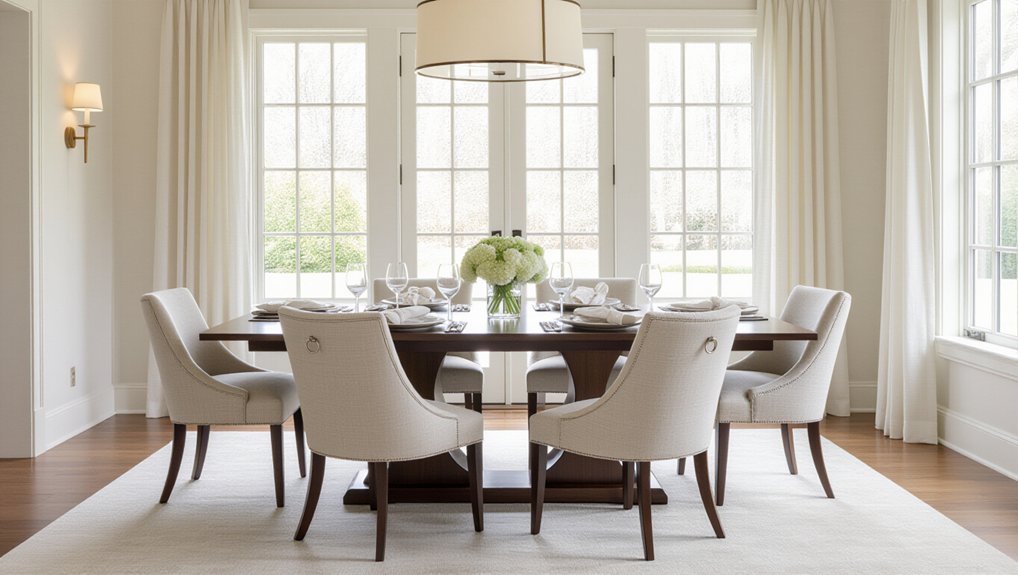
A well-chosen rug anchors the dining table, defines the room’s gathering space, and adds warmth underfoot. Choose a size that lets chairs remain on the rug when guests pull them back; ideally, allow about 24 inches beyond each table edge. This generous border keeps chair legs from catching and makes the arrangement feel intentional.
Let your rug’s pattern contrast with the table and flooring without competing for attention. A patterned design can disguise crumbs and everyday marks, while a solid, textured weave suits a visually busy room.
Match the rug’s shape to your table, and check that its pile is low enough for chairs to glide smoothly.
Consider rug maintenance before you buy. Choose durable, easy-to-clean fibers for frequent meals, and use a quality pad to prevent slipping and protect your floor.
Style a Sideboard for Effortless Hosting
Once the rug anchors the dining area, a well-styled sideboard can make hosting smoother and more polished.
Start your sideboard styling with a clear surface and a practical plan: reserve space for serving dishes, drinks, or a dessert tray. Group essentials, such as napkins, flatware, and coasters, in a low basket so guests can find them easily.
Add a lamp or a pair of candlesticks for warm light, then balance the display with a vase or framed art. Keep decorative pieces contained to one end, leaving the center open for service.
Choose materials that echo your dining table or hardware, but vary heights and textures to create interest.
Before guests arrive, set out what you’ll need and remove anything unnecessary. This thoughtful setup supports effortless hosting without sacrificing style.
Arrange the Dining Room for Better Conversation
To encourage easy conversation, arrange chairs so guests can see one another without twisting or leaning across the table. Keep the table within easy reach of every seat, and leave enough clearance for guests to pull chairs back comfortably. For rectangular tables, place a chair at each end to connect guests along both sides.
Round and oval tables naturally soften sightlines, while a modest table size helps everyone join the discussion.
Consider your seating arrangements as you plan the room’s flow. Avoid placing a guest with their back to a busy doorway or directly beside a noisy kitchen.
In open-plan spaces, use a rug, pendant light, or furniture placement to define conversation zones without blocking movement. If your room is long, angle chairs slightly toward the table’s center so guests feel included, not isolated at the edges.
Keep pathways clear between the dining area and adjacent rooms.
Set a Welcoming Table for Dinner Guests
When the table’s set with care, guests feel welcome before dinner begins. Choose a crisp tablecloth or leave a polished wood surface exposed, then build a balanced setting around your meal.
Tableware essentials include a dinner plate, appropriate cutlery, a water glass, and a wineglass if you’re serving wine. Place each item where guests can reach it easily, keeping the layout consistent across the table.
Plan guest seating arrangements before you set the final places. Leave enough elbow room, and position guests so conversation flows naturally without crowding.
If you’re serving family-style dishes, reserve clear space in the center and keep serving pieces within reach.
Match napkins and tableware to your room’s palette, but prioritize function: guests should know where to sit, what to use, and how to enjoy dinner comfortably.
Add Finishing Touches That Make Guests Feel at Home
A thoughtfully set table creates a warm welcome; a few finishing touches make the whole room feel ready for guests. Add cozy lighting with dimmable fixtures or candles, positioning each source to soften faces without leaving the table in shadow. Choose warm bulbs and test the setting before guests arrive.
Use decorative accents to give the room personality, not clutter. A small vase of seasonal branches, framed art, or a well-placed bowl can complement your table’s palette. Keep surfaces clear enough for serving dishes and drinks.
Think about comfort beyond appearance. Set out a discreet place for coats, adjust the room temperature, and leave a clear path between the dining area and kitchen.
If music suits the occasion, keep it low so conversation stays easy. These practical details help guests settle in and enjoy your gathering.
Conclusion
Treat your dining room like a gracious host: the table is its steady heart, the chairs invite guests to linger, and warm light opens the door to conversation. Let color, flooring, and a well-sized rug form the welcoming path; keep your sideboard ready for the evening’s small surprises. Arrange each place with care, then add personal touches that make visitors feel at ease. With thoughtful choices, you’ll turn ordinary meals into gatherings worth remembering, right at home.